 No. 014
IbarakiRuins & historic sites
Mito Castle
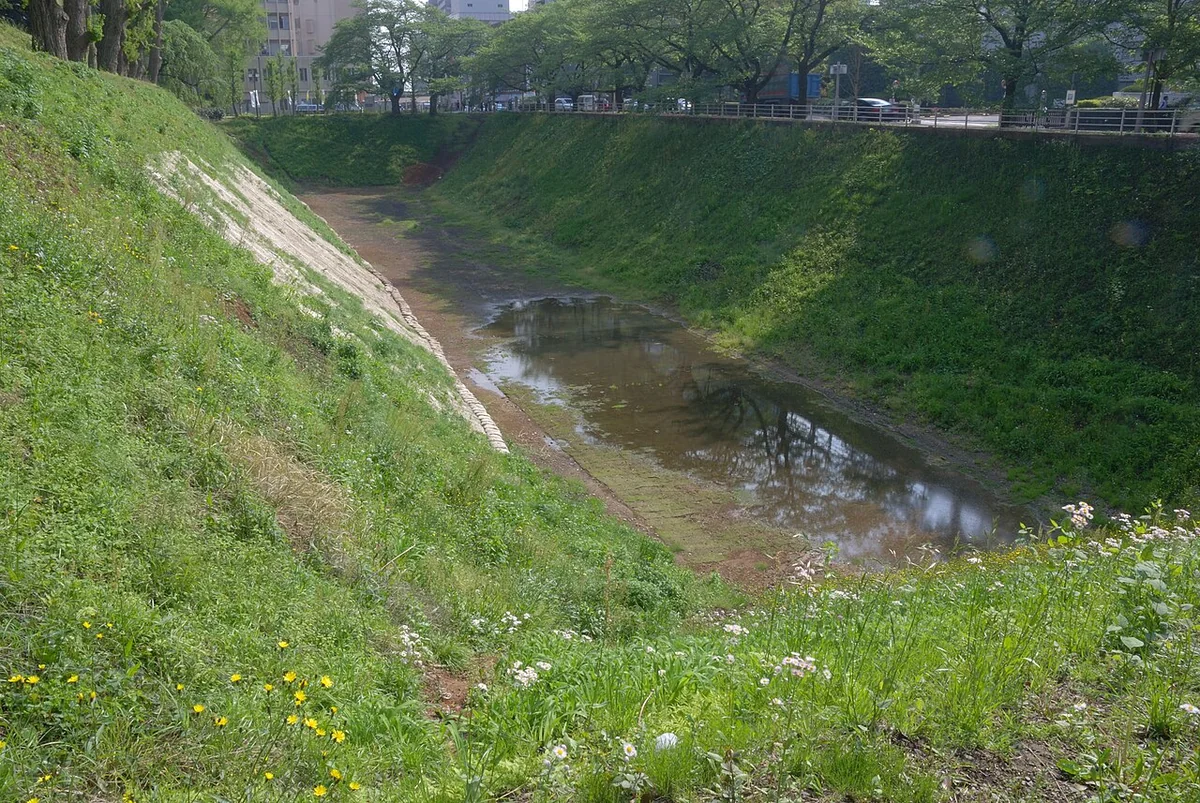
Mito’s banks, moats and reconstructed gates trace the seat of the Mito Tokugawa family. They introduce an earth-built castle and the educational culture that developed beside it.
Explore this castleCastles of Japan · Volume 02
Explore 19 selected castles in Kanto & Koshinetsu. Photographs, historical timelines, architecture and official sources help you discover each site.
No. 014 — 032 · 19 castles
Browse this volume ↓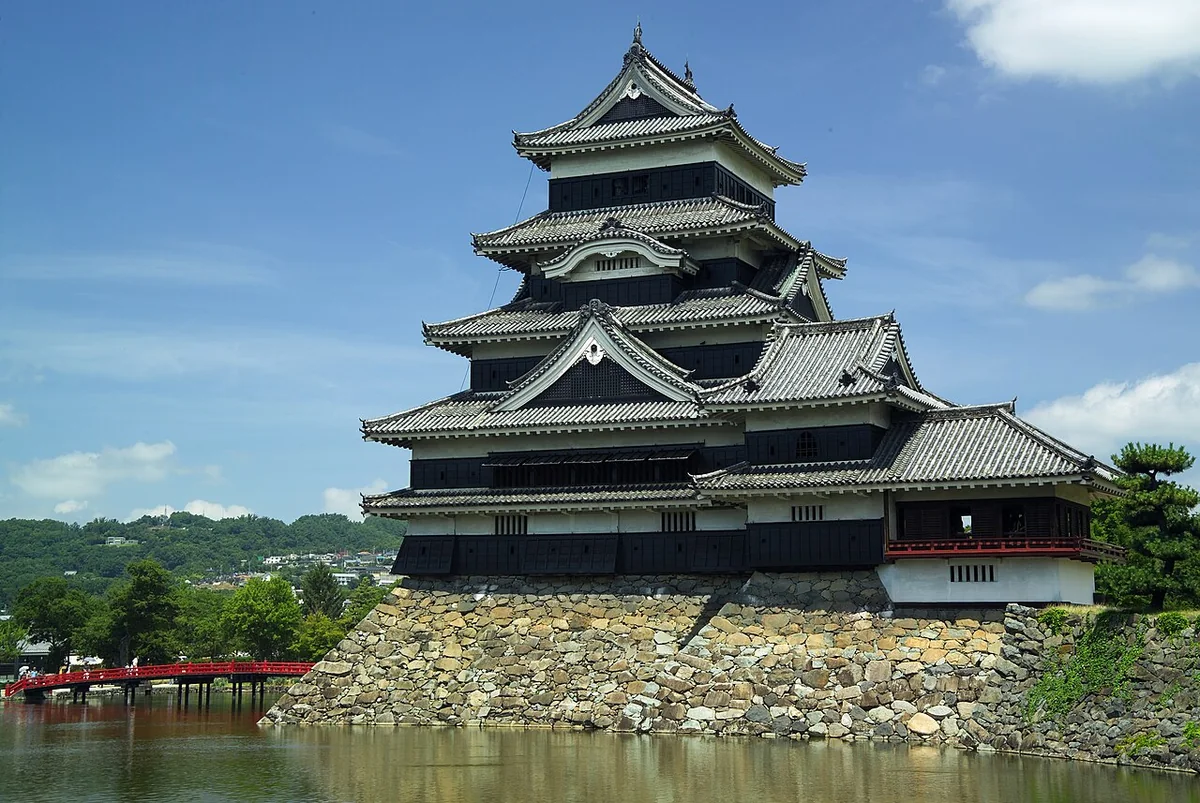
Find a castle that speaks to you
19 castles
No castles found. Try a shorter name or reset the filters.
No. 014IbarakiRuins & historic sites
Mito’s banks, moats and reconstructed gates trace the seat of the Mito Tokugawa family. They introduce an earth-built castle and the educational culture that developed beside it.
Explore this castle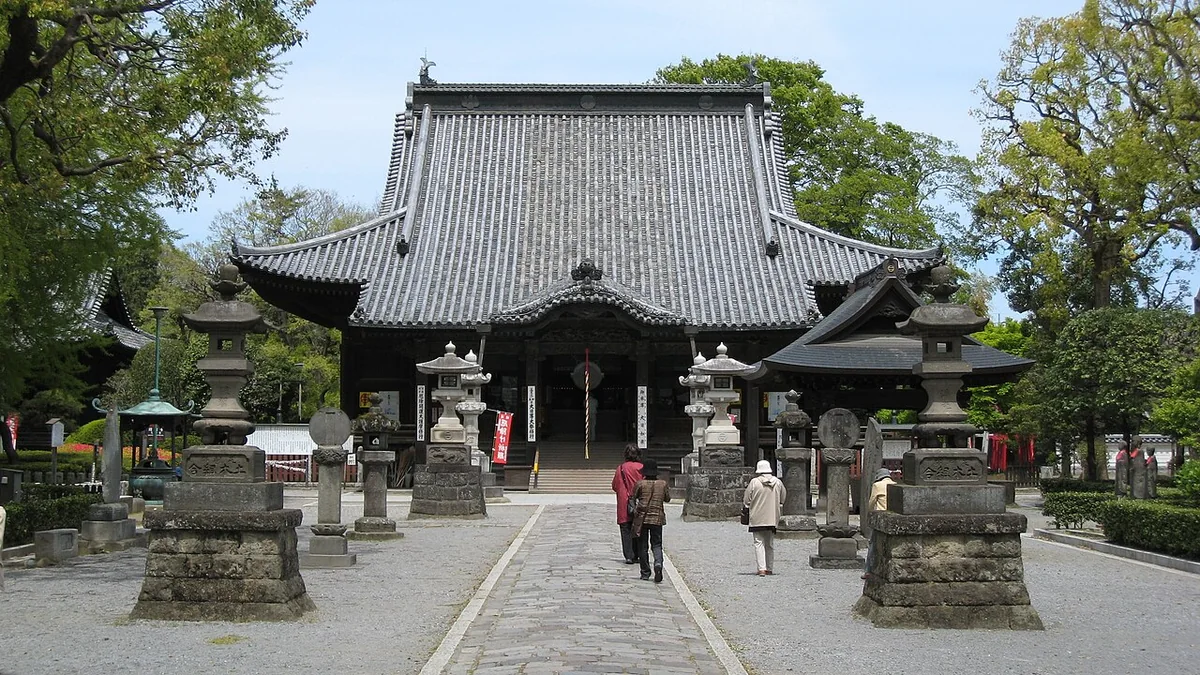 No. 015
TochigiRuins & historic sites
Banna-ji Temple now occupies the Ashikaga clan’s former residence. The surrounding moat and banks preserve the outline of a warrior compound, while temple buildings tell its later religious history.
Explore this castle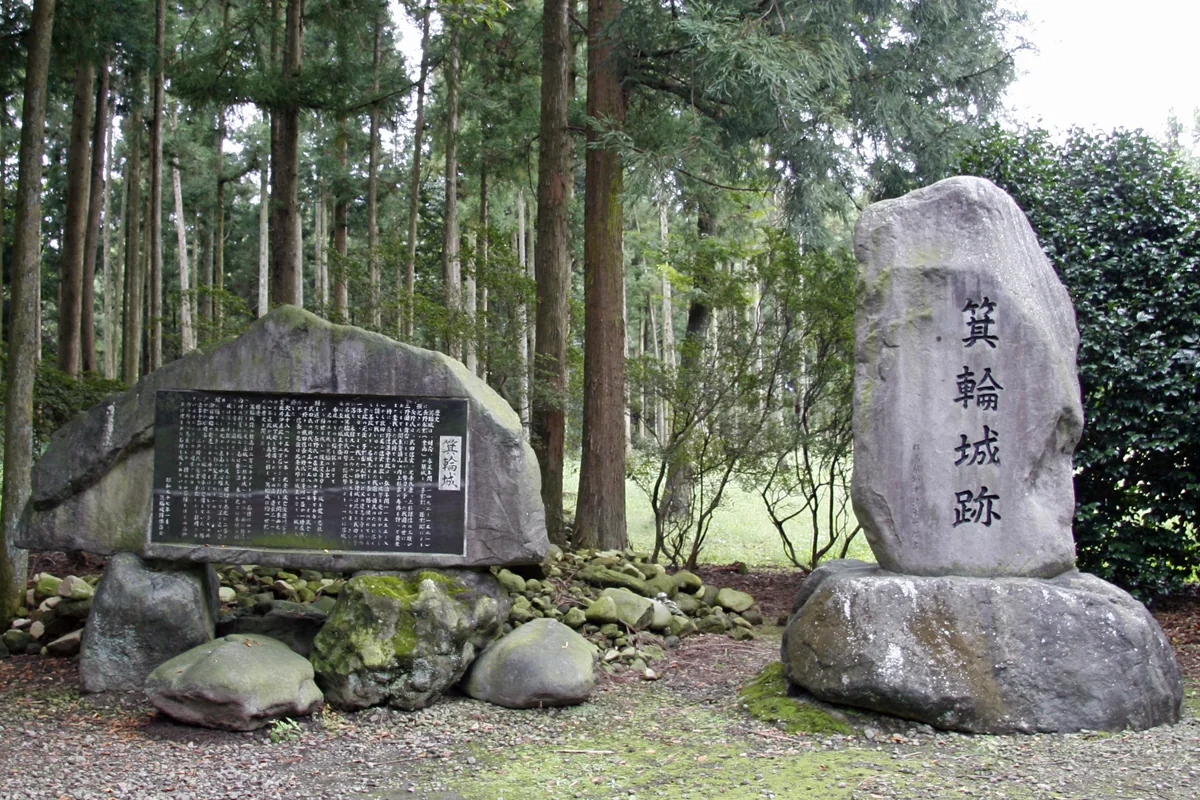 No. 016
GunmaRuins & historic sites
Built at the end of a ridge descending from Mount Haruna, Minowa is striking for its great ditches. Earthworks and reconstructed gates reveal a castle reshaped by rulers from the Nagano clan to Ii Naomasa.
Explore this castle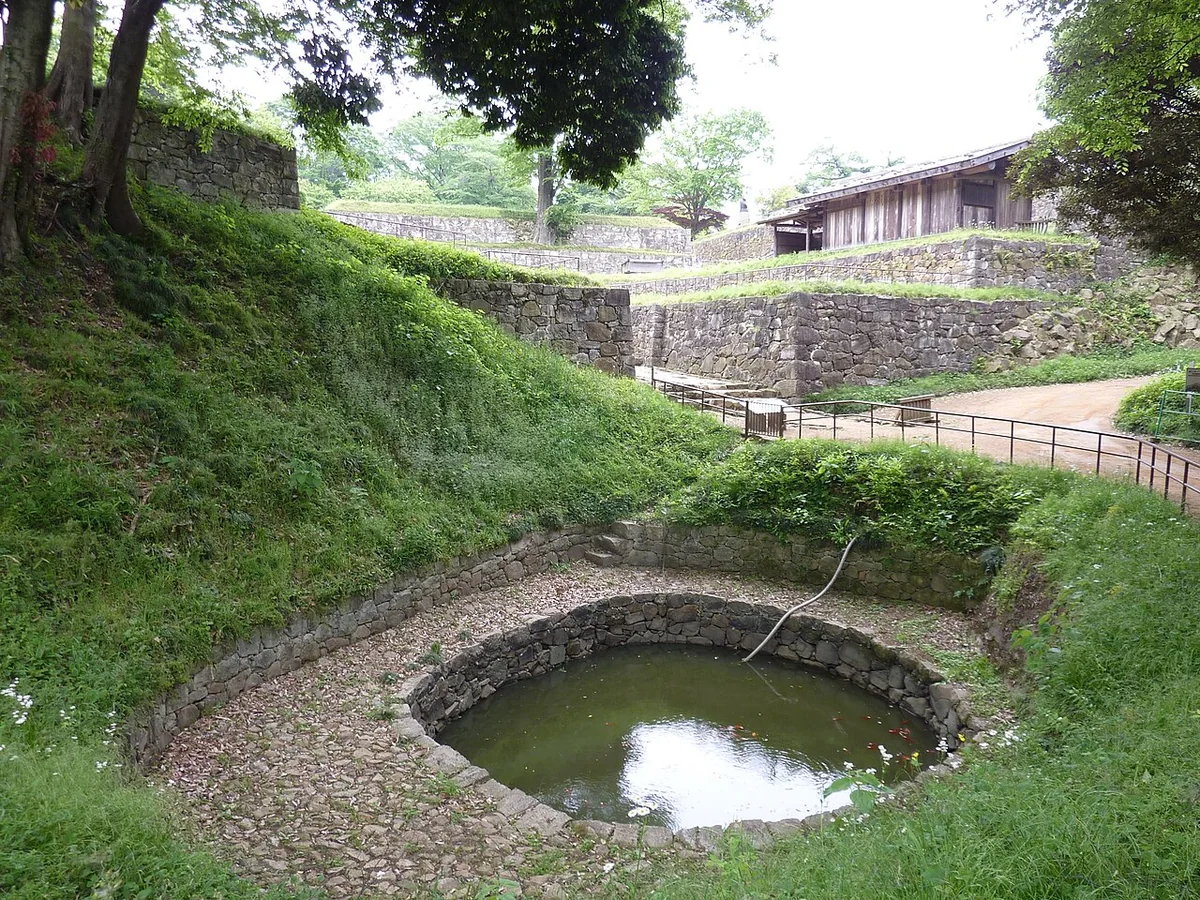 No. 017
GunmaRuins & historic sites
Kanayama is a mountain castle in Ota distinguished by its masonry. Ridge paths lead to stone-faced entrances and paved surfaces that show the variety of medieval castle building in the Kanto region.
Explore this castle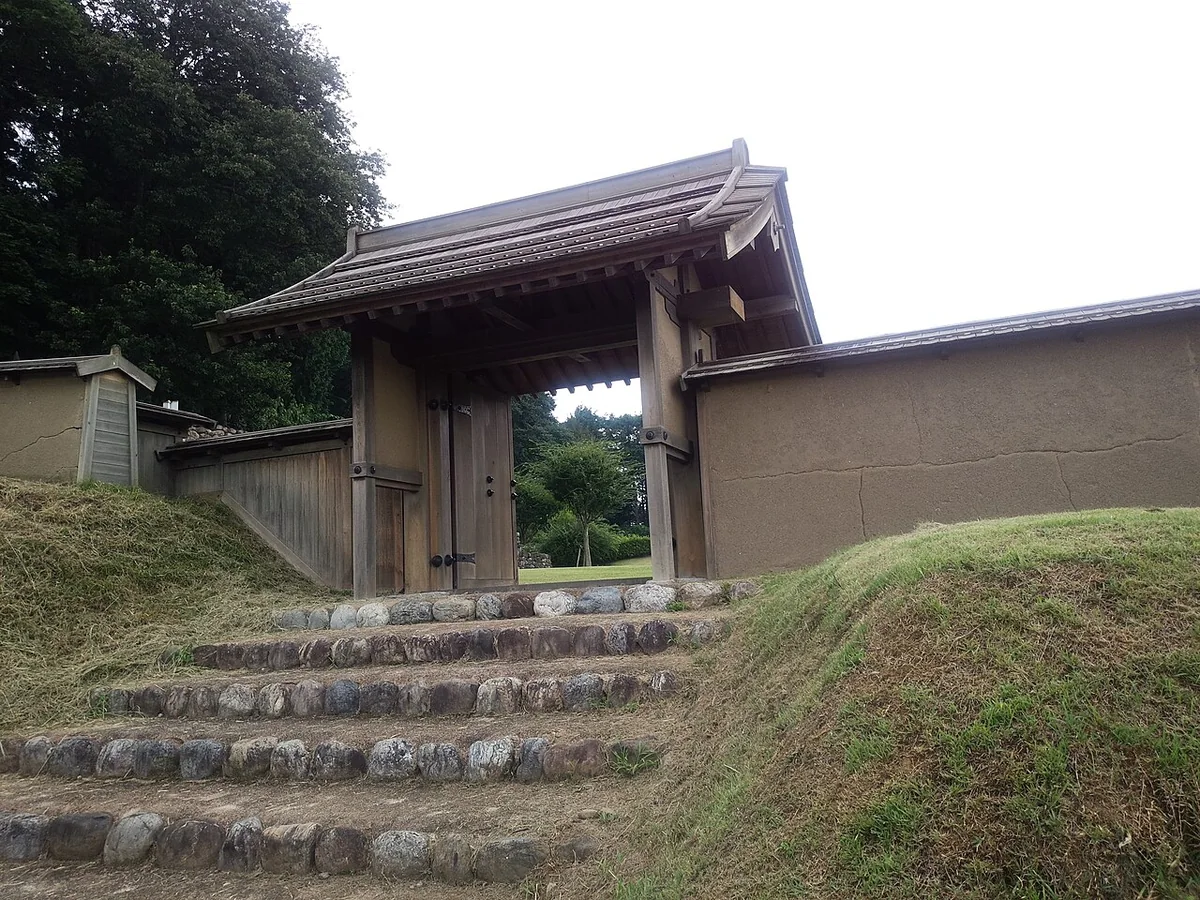 No. 018
SaitamaRuins & historic sites
Associated with Hojo Ujikuni, Hachigata is defended by cliffs above the Arakawa and the Fukazawa valley. Banks and ditches turn seemingly open ground into a readable sequence of enclosures.
Explore this castle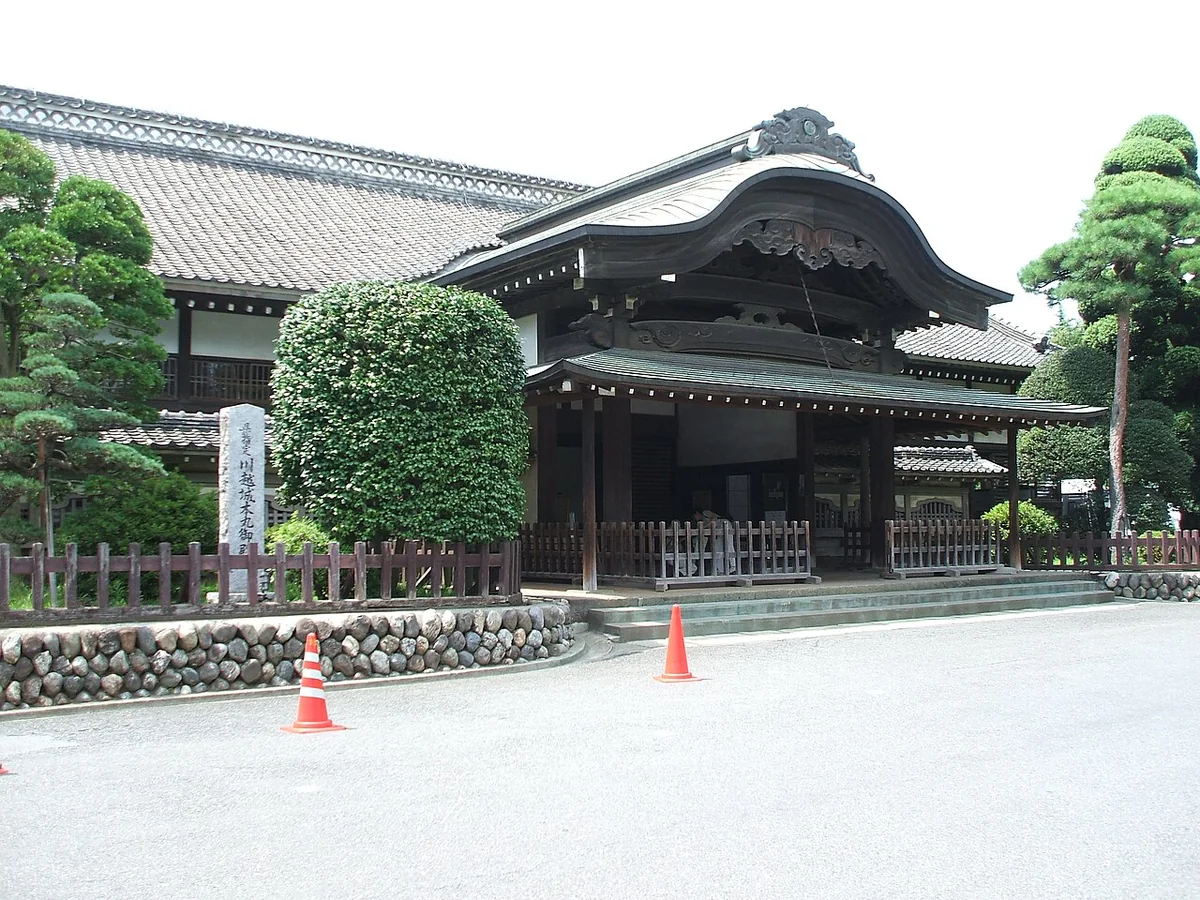 No. 019
SaitamaRuins & historic sites
Kawagoe’s highlight is part of its main-enclosure palace, rather than a keep. Its imposing entrance and rooms bring the official life of an important domain close to the visitor.
Explore this castle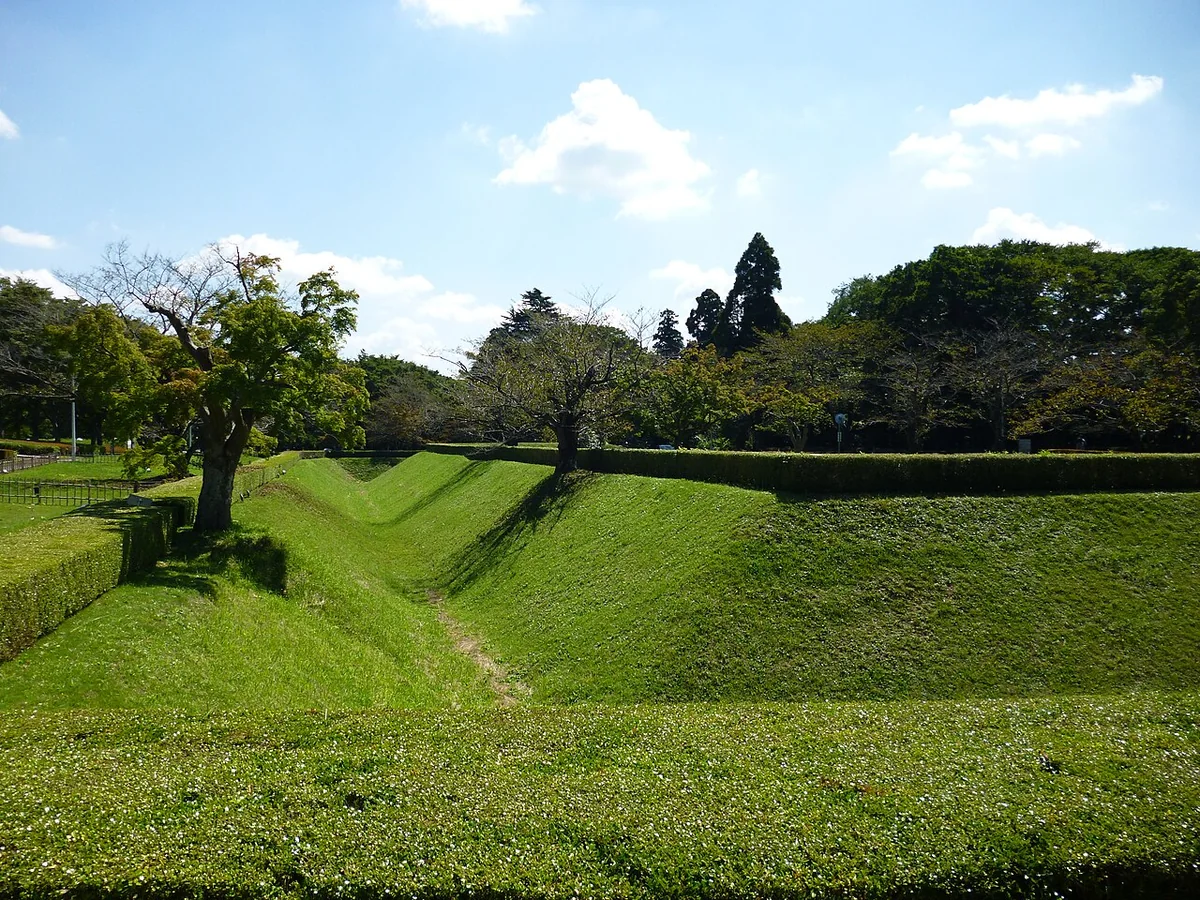 No. 020
ChibaRuins & historic sites
Deep dry moats and banks preserve the outline of a castle guarding Edo’s eastern approaches. A walk through the green park reveals a large defensive complex shaped mainly from earth and terrain.
Explore this castle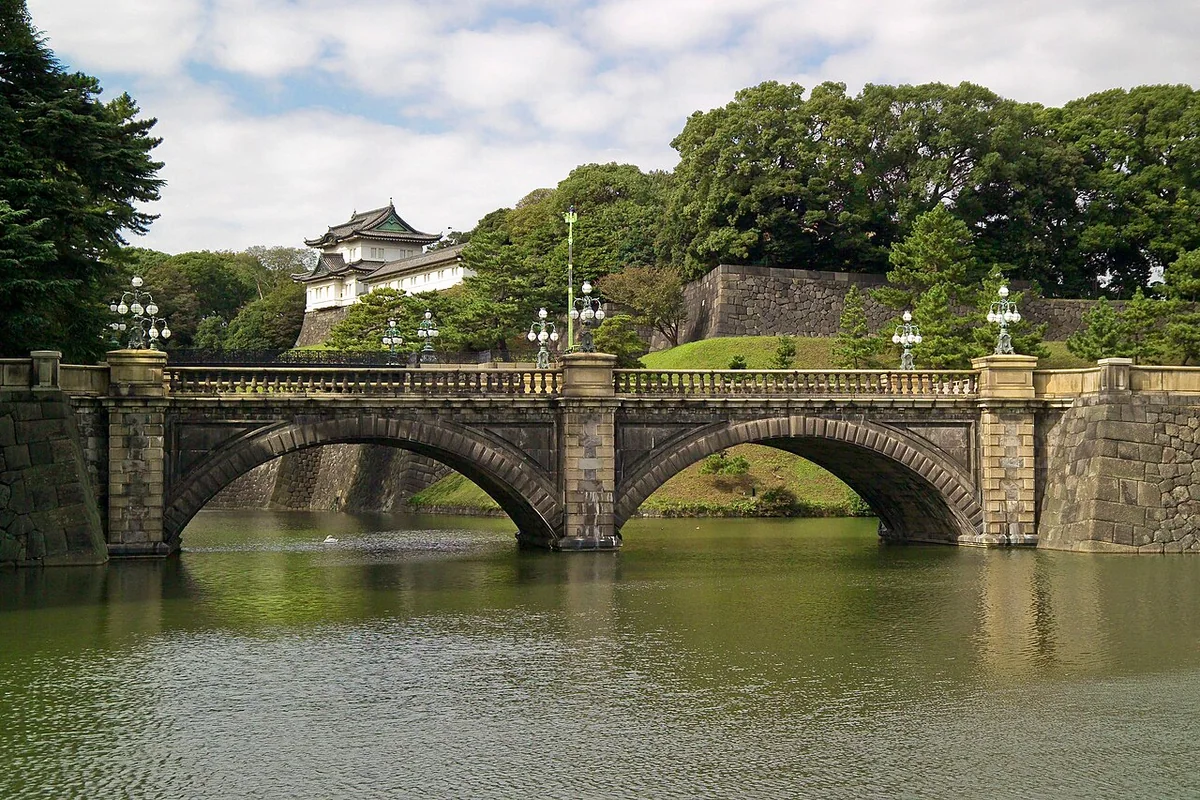 No. 021
TokyoRuins & historic sites
Part of the Tokugawa shoguns’ castle survives in the Imperial Palace East Gardens. Massive walls, gates and the keep platform reveal the scale of the former complex in central Tokyo.
Explore this castle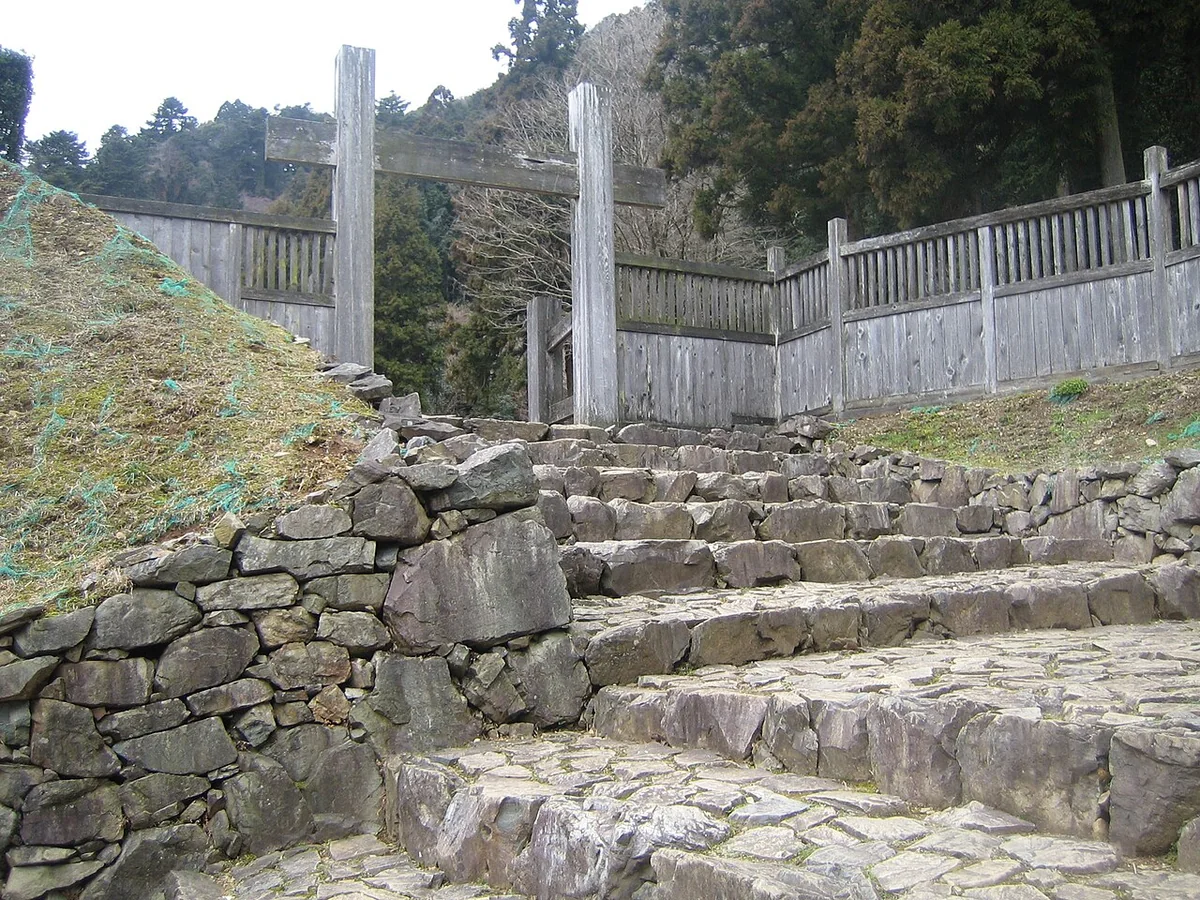 No. 022
TokyoRuins & historic sites
Hojo Ujiteru’s castle extends across a substantial mountain landscape. Its palace-area masonry and upper stronghold reveal a deliberate division between residence and defence.
Explore this castle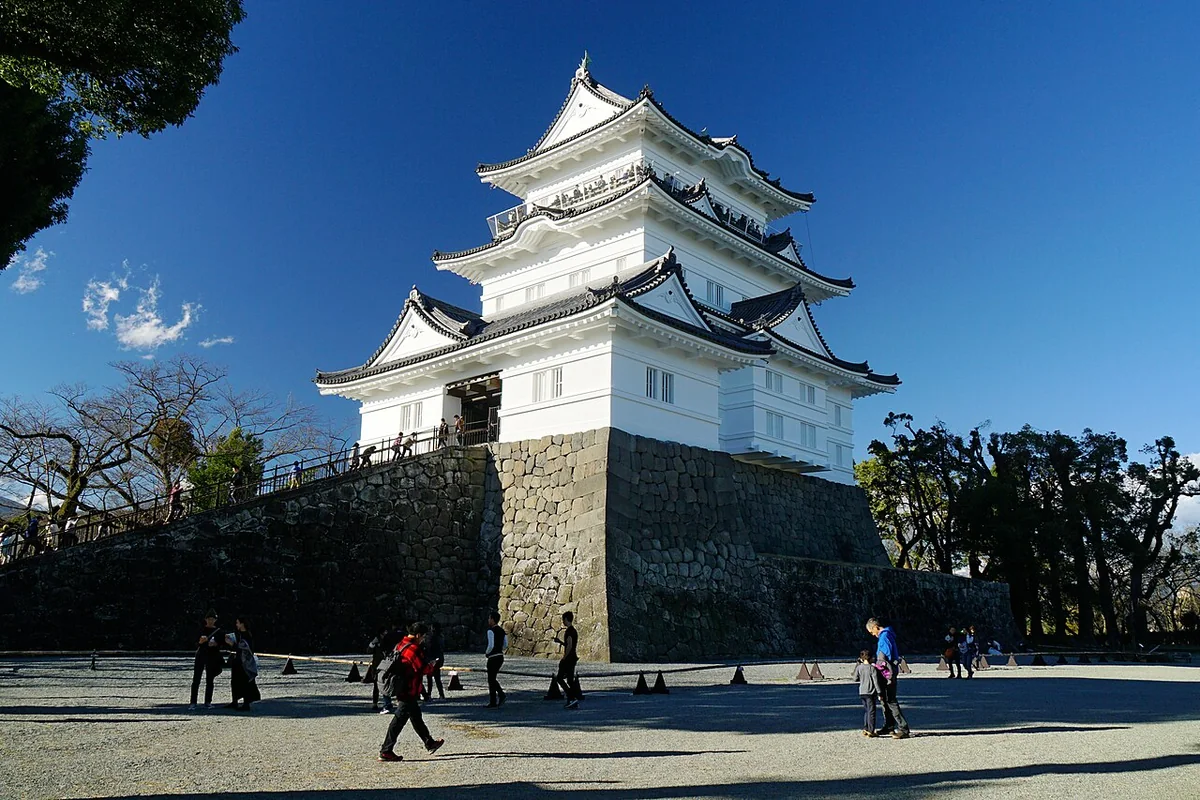 No. 023
KanagawaReconstructed buildings
Odawara changed from the Hojo clan’s regional stronghold into an Edo-period castle. Its rebuilt keep and reconstructed gates introduce changes in both scale and function.
Explore this castle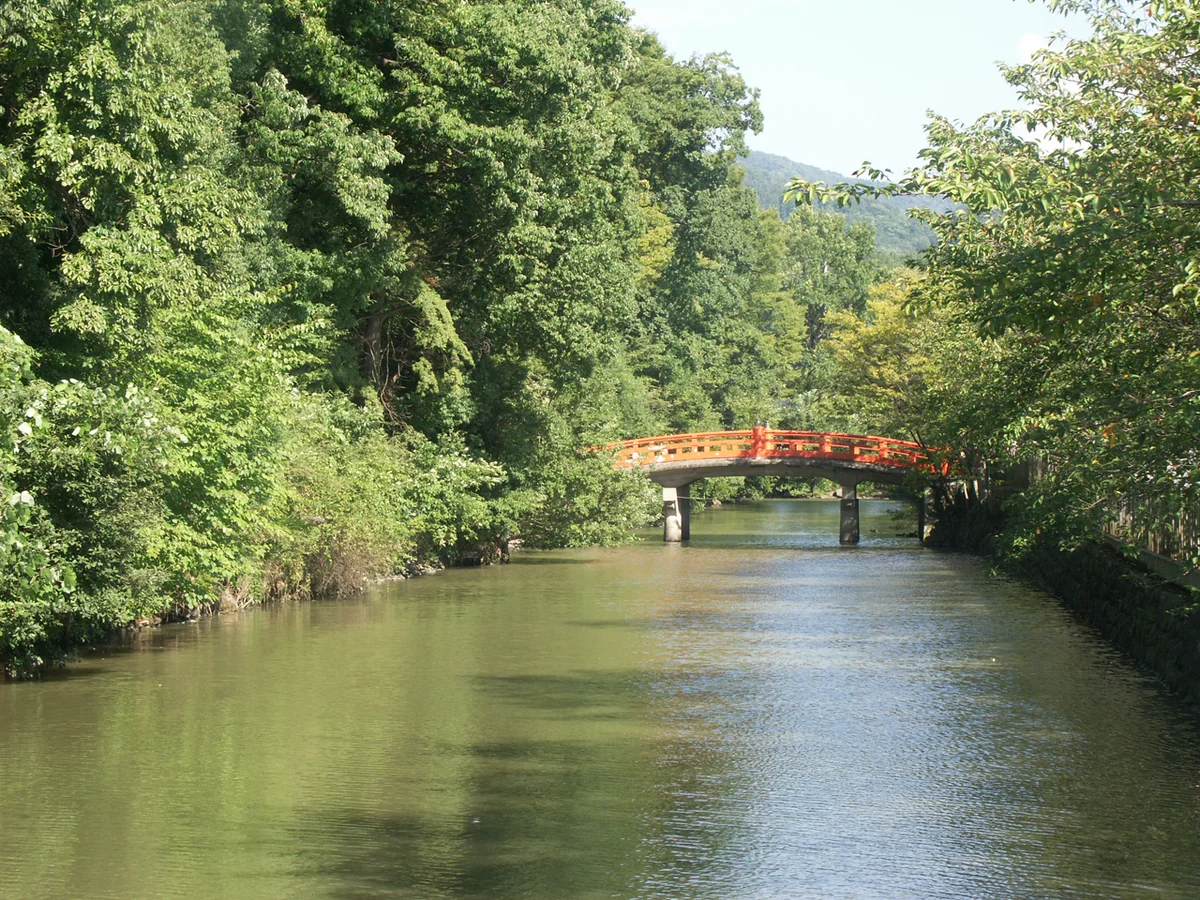 No. 024
YamanashiRuins & historic sites
This fortified residence served three generations of Takeda rulers: Nobutora, Shingen and Katsuyori. Around today’s Takeda Shrine, moats and banks recall government from a lowland residence rather than a summit castle.
Explore this castle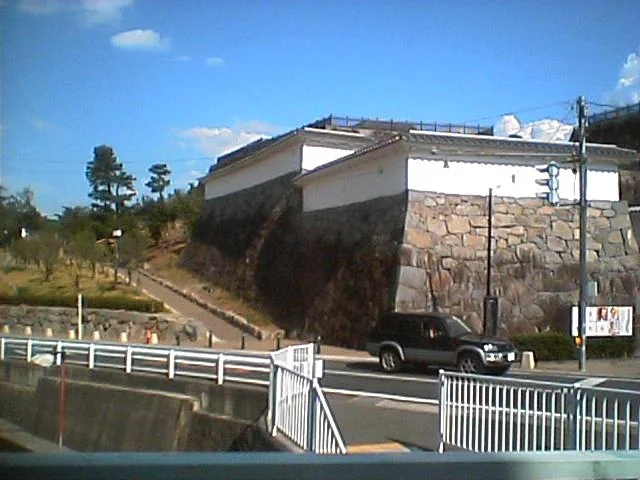 No. 025
YamanashiRuins & historic sites
Early-modern masonry rises above central Kofu in Maizuru Castle Park. Its terraces tell a story distinct from the earlier Takeda residence elsewhere in the city.
Explore this castle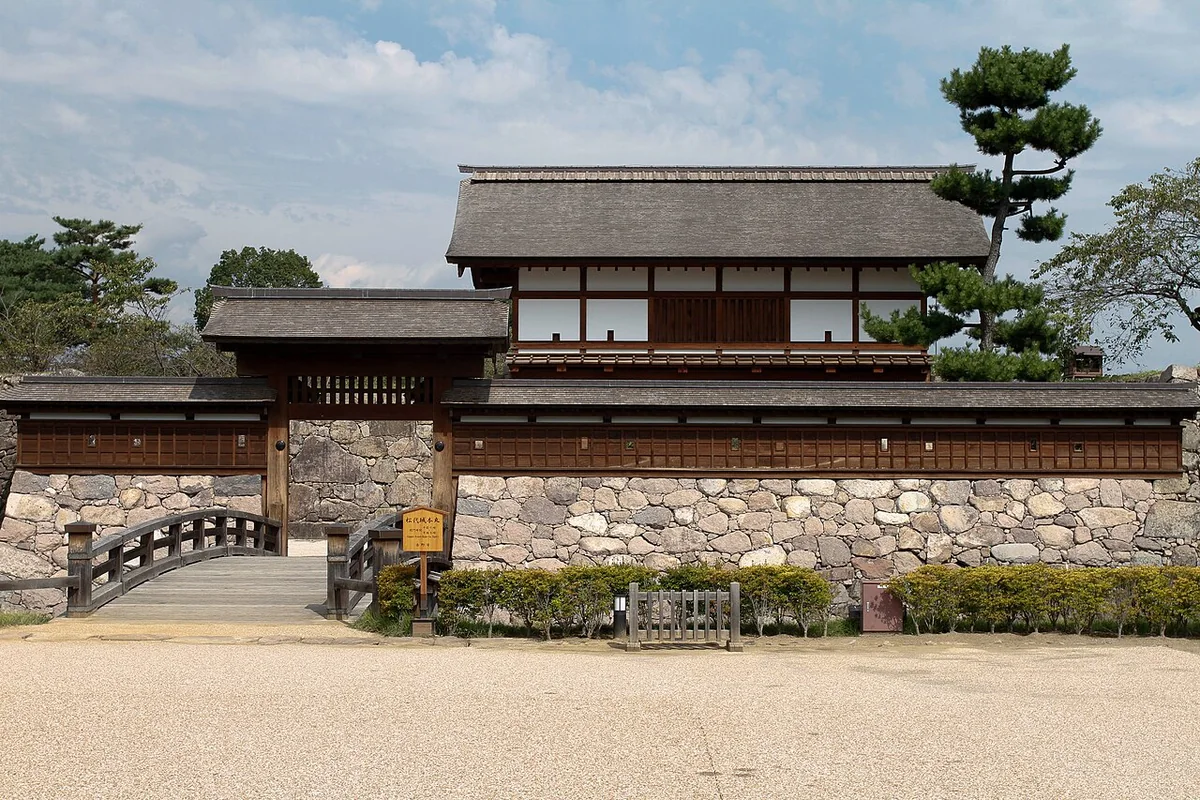 No. 026
NaganoRuins & historic sites
First known as Kaizu Castle, this site later became the Sanada family’s seat. Walls and reconstructed gates and bridges reveal a lowland castle that incorporated the Chikuma River into its defences.
Explore this castle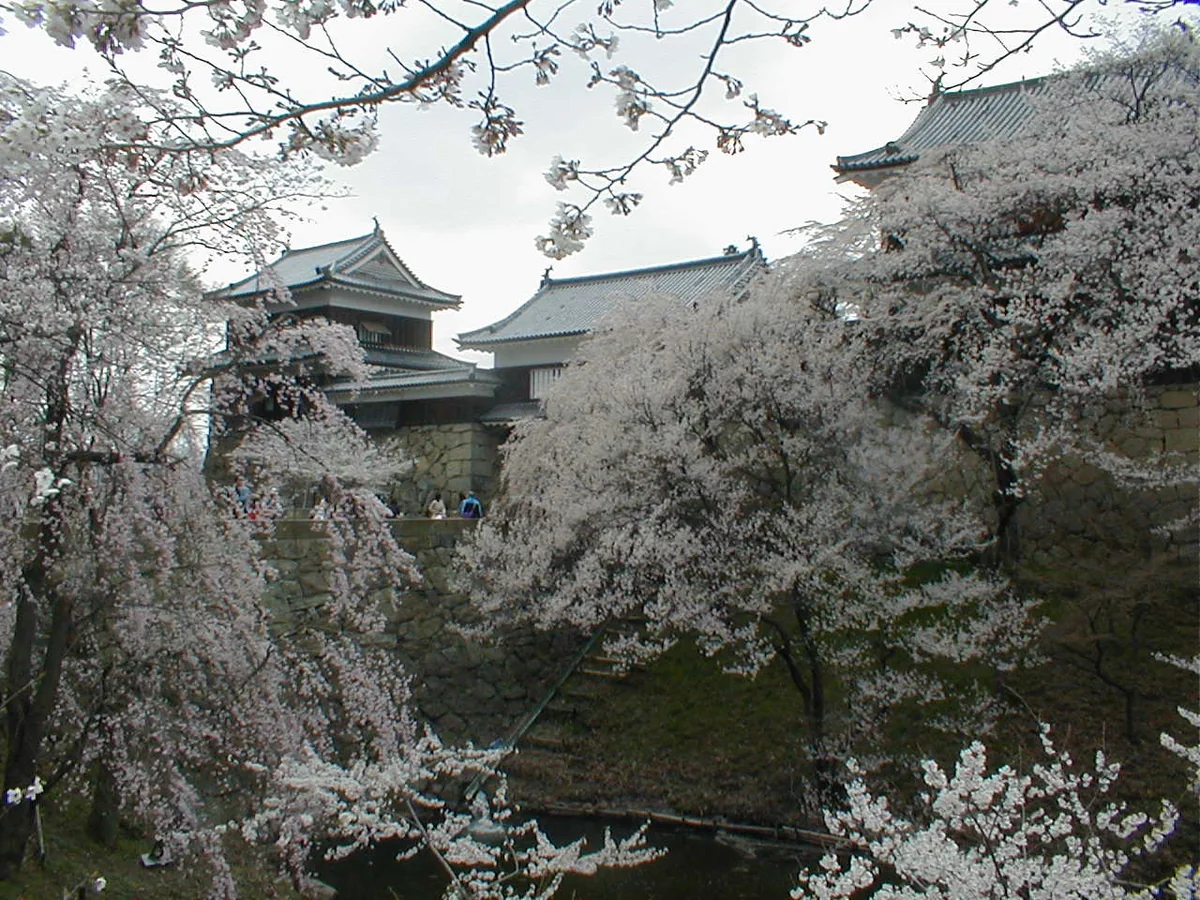 No. 027
NaganoRuins & historic sites
Founded by Sanada Masayuki, Ueda is known for two battles against Tokugawa forces. Its surviving turrets and walls also reflect Edo-period rebuilding, giving the site a history beyond the Sanada.
Explore this castle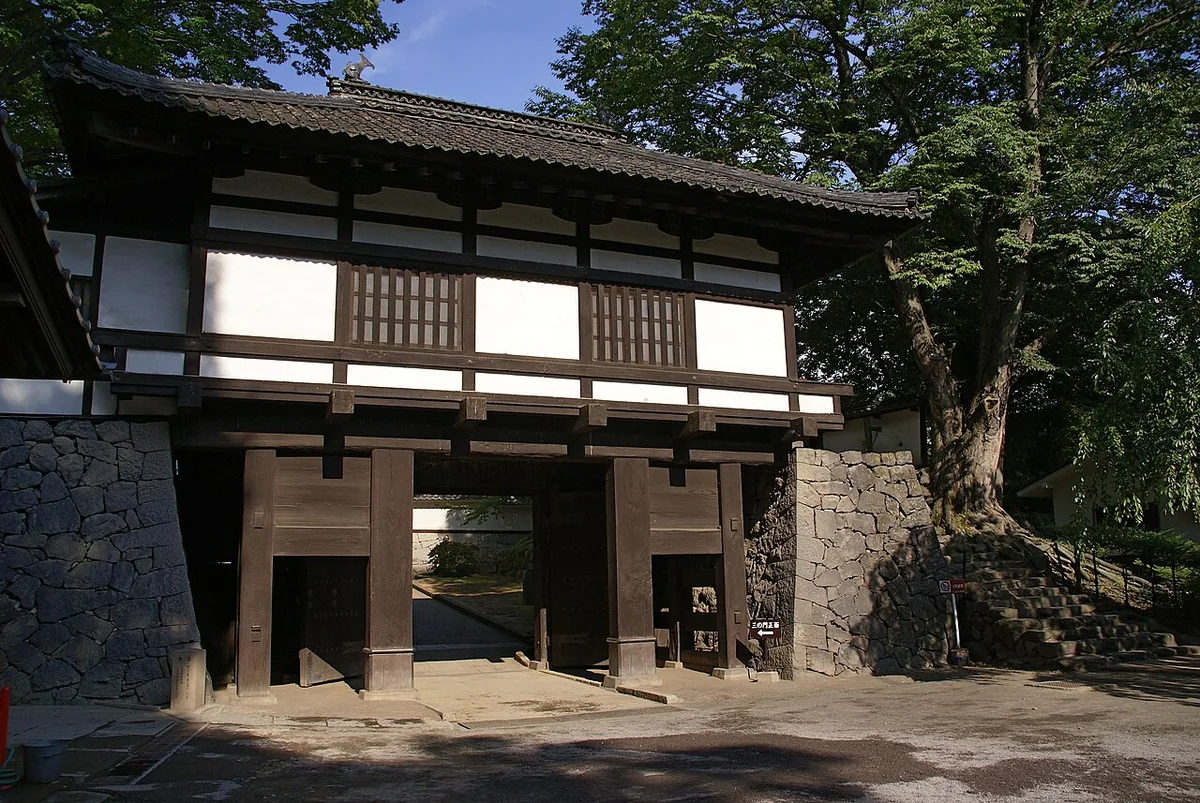 No. 028
NaganoRuins & historic sites
Komoro is known as an anajiro, a castle lower than its surrounding town. Ravines, walls and old gates in Kaikoen reveal a design closely adapted to the terrain.
Explore this castleNo. 029NaganoOriginal keep
Matsumoto is a flatland castle with an original keep reflected in its moat. Comparing its defensive towers with the later Moon-viewing Turret reveals a change in architectural purpose.
Explore this castle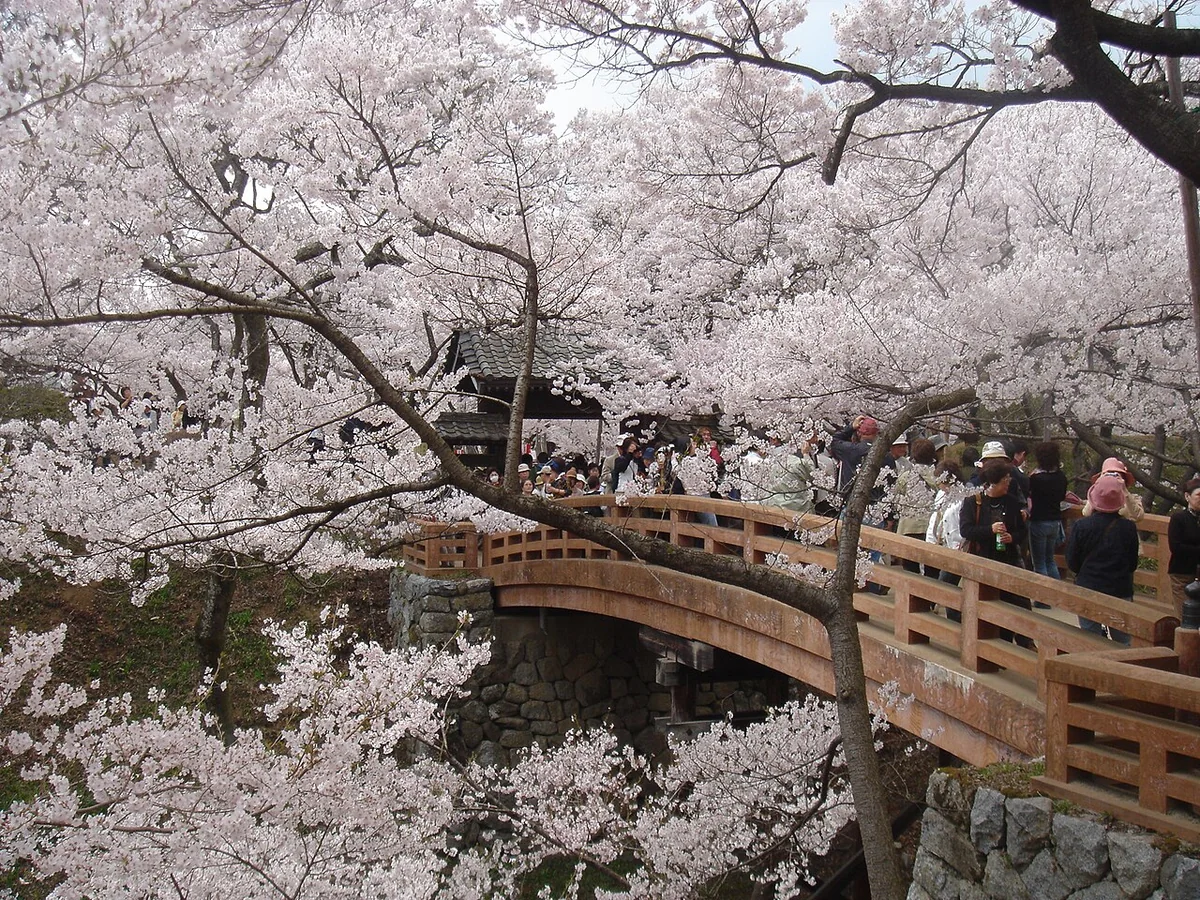 No. 030
NaganoRuins & historic sites
The park famous for Takato cherry blossoms also preserves the terrain of a Takeda stronghold. Moats and banks around the main enclosure reveal a base controlling the surrounding valley.
Explore this castle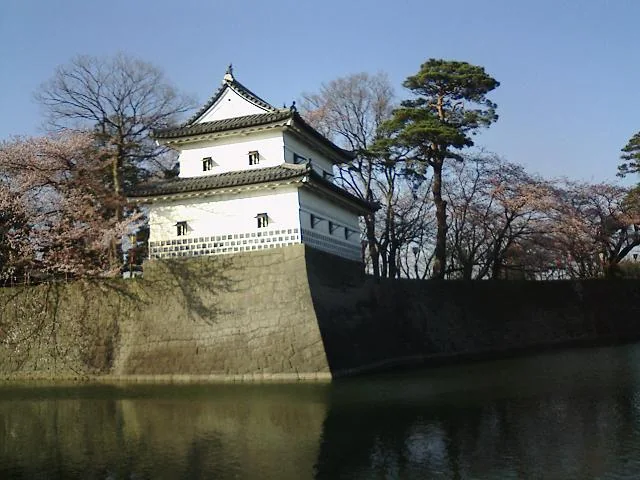 No. 031
NiigataRuins & historic sites
Historic and reconstructed structures stand beside Shibata’s moat. Distinguishing the surviving gate and turret from later reconstructions adds depth to the familiar white-walled view.
Explore this castle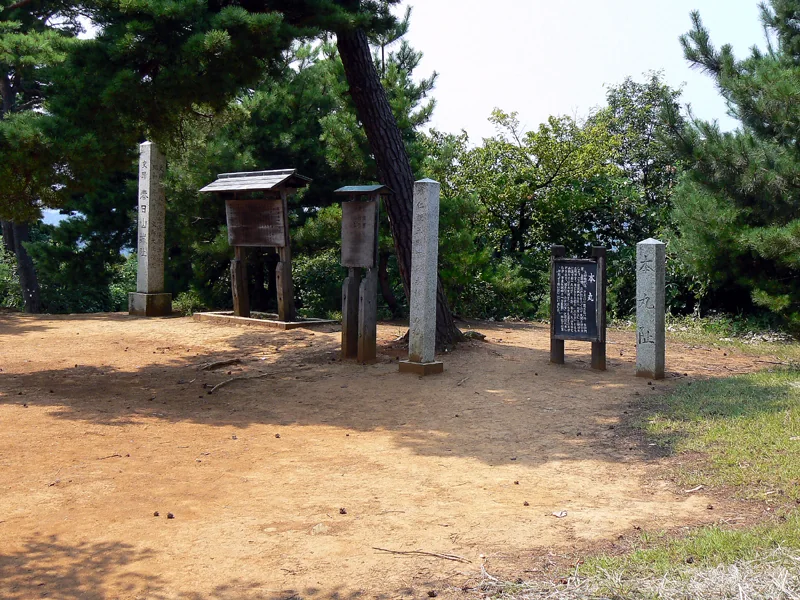 No. 032
NiigataRuins & historic sites
Known as Uesugi Kenshin’s seat, Kasugayama is an extensive earth-built mountain castle. Summit enclosures, hillside terraces and the lower perimeter together reveal the scale of the complex.
Explore this castle