Get to know the castle
Castle at a glance
- Site & layout
- Castle below its town, known as an anajiro
- Origins
- Medieval origin; major Sengoku-family work after 1590
- Builders & patrons
- Takeda clan; Sengoku Hidehisa and Tadamasa
- Other names
- —
- What remains today
- Ote and San-no-mon gates, masonry, enclosures and dry moats
THE STORY
The story behind the walls
After development under the Takeda, the castle was extensively altered by Sengoku Hidehisa, who arrived in 1590. He and his son Tadamasa created gates and enclosures of the early-modern castle. The Makino held it from 1702 until the end of domain rule. The former castle became Kaikoen, landscaped as a modern park by Honda Seiroku in 1926.
LAYOUT & ARCHITECTURE
Read the landscape and the buildings.
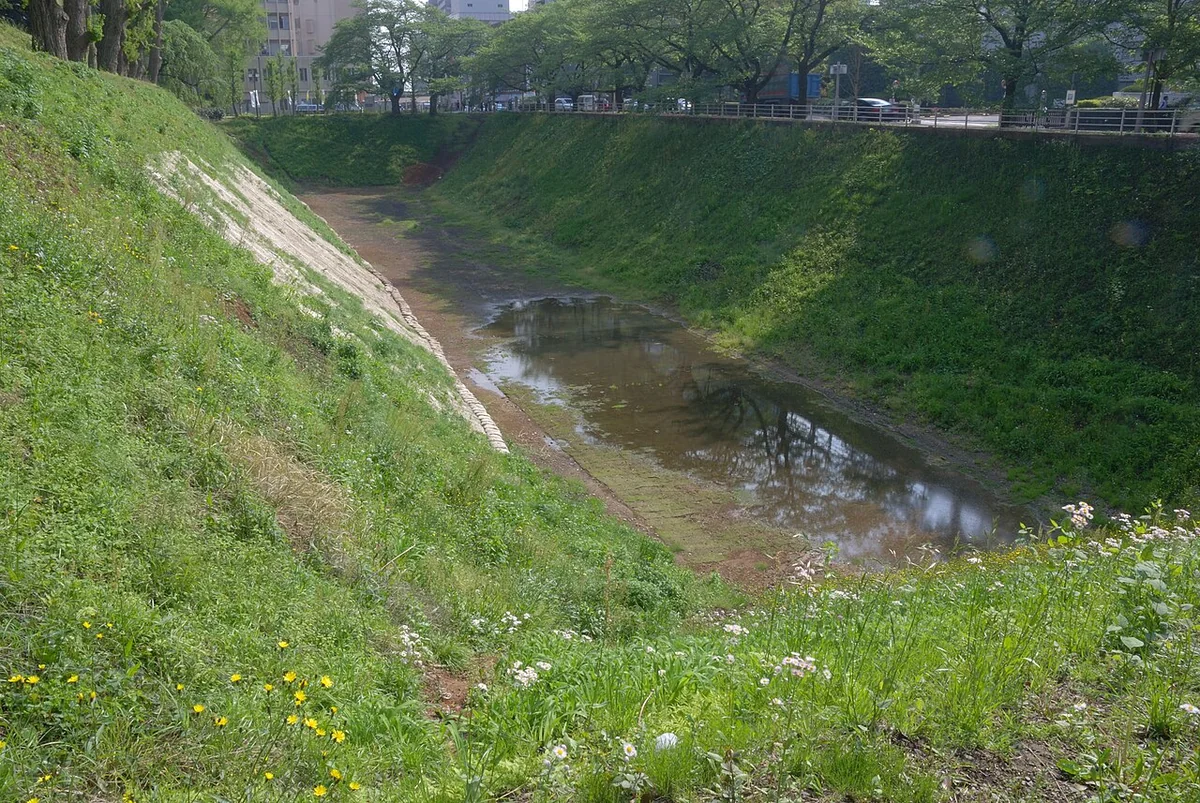
Although lower than the town, the castle uses cliffs above the Chikuma and deep ravines for protection. Enclosures, dry moats and walls follow this cut terrain. Its design depends on reading local landforms rather than simply occupying the highest point.
A CLOSER LOOK
Details worth a closer look.
Ote Gate
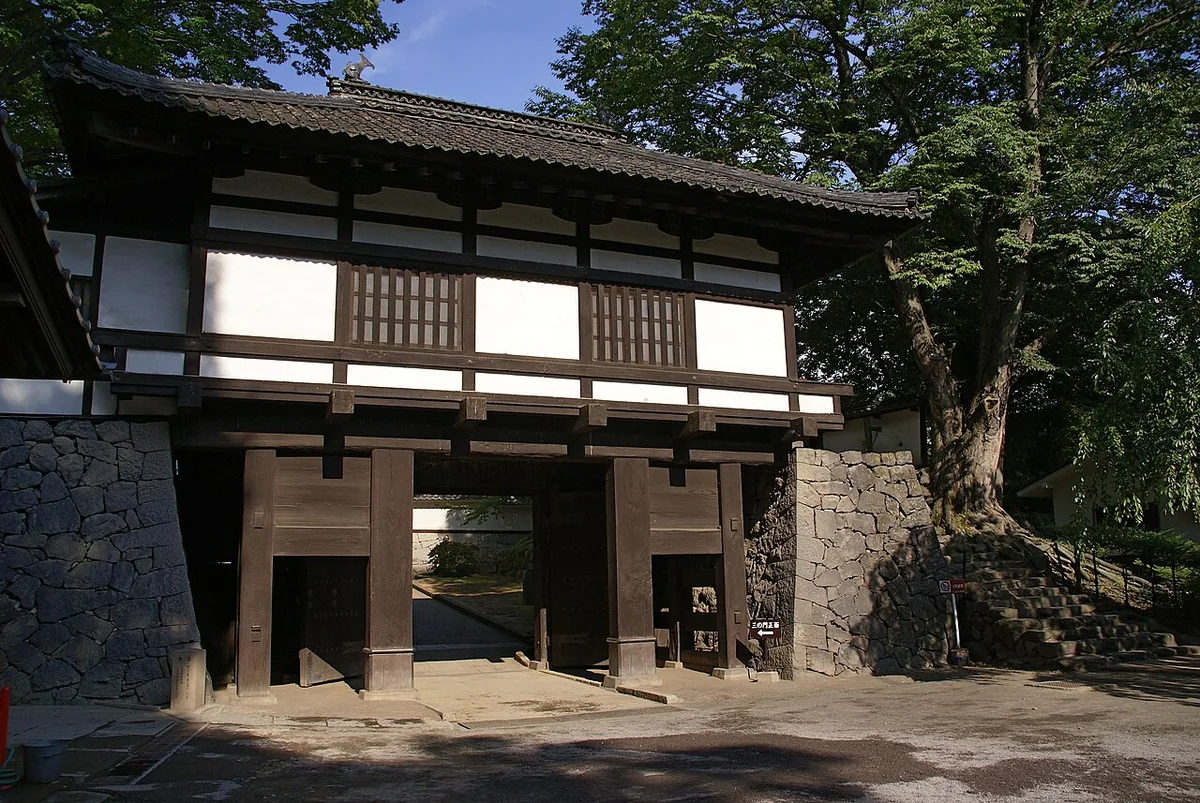
The formal entrance is dated to 1612 under Sengoku Hidehisa. Its upper floor and structural arrangement offer evidence of early castle-gate design.
Deeply cut terrain
Deeply cut local landforms run through the grounds. Natural ravines and dry moats divide the castle’s enclosures.
San-no-mon and Kaikoen
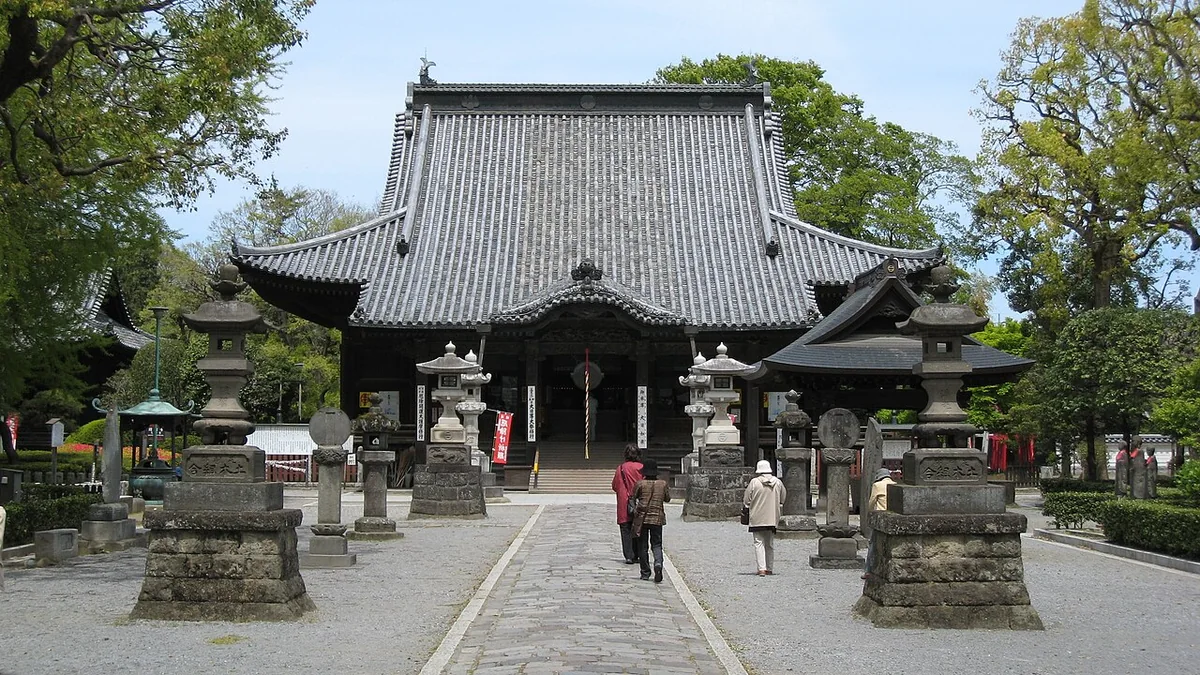
The two historic gates mark the former castle approaches. Within the park, later cultural and literary associations add to the castle remains.
THROUGH THE YEARS
A short timeline
- 1590
Sengoku Hidehisa arrived and rebuilt extensively.
- 1612
Ote Gate was built.
- 1702
The Makino became the ruling family.
- 1926
The park was landscaped to Honda Seiroku’s design.
BEFORE YOU GO
A note before you go.
Kaikoen and the gates have different entrances and opening arrangements. Check city information for admission and works, and prepare for paths with ravines and steps.
Information checked: 27 September 2026
Sources & official information
- Komoro City: Kaikoen history ↗
- Komoro City: Ote Gate ↗
- Komoro City: Castle terrain ↗
- Nagano Prefecture: Komoro Castle ↗
Some official sources are available in Japanese only.