Get to know the castle
Castle at a glance
- Site & layout
- Lowland castle using a river for defence
- Origins
- Mid-sixteenth century
- Builders & patrons
- Takeda clan; later Sanada rulers and others
- Other names
- Kaizu Castle
- What remains today
- Walls and moat remains; reconstructed gates and bridges
THE STORY
The story behind the walls
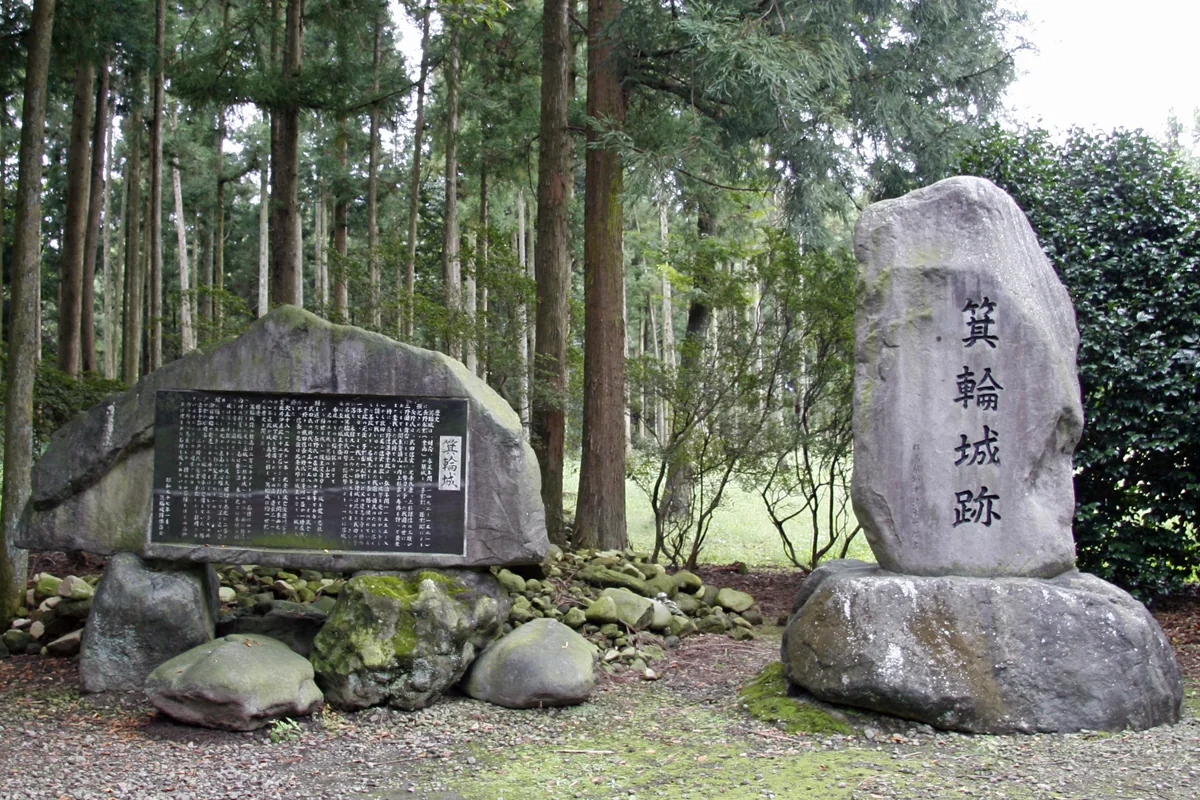
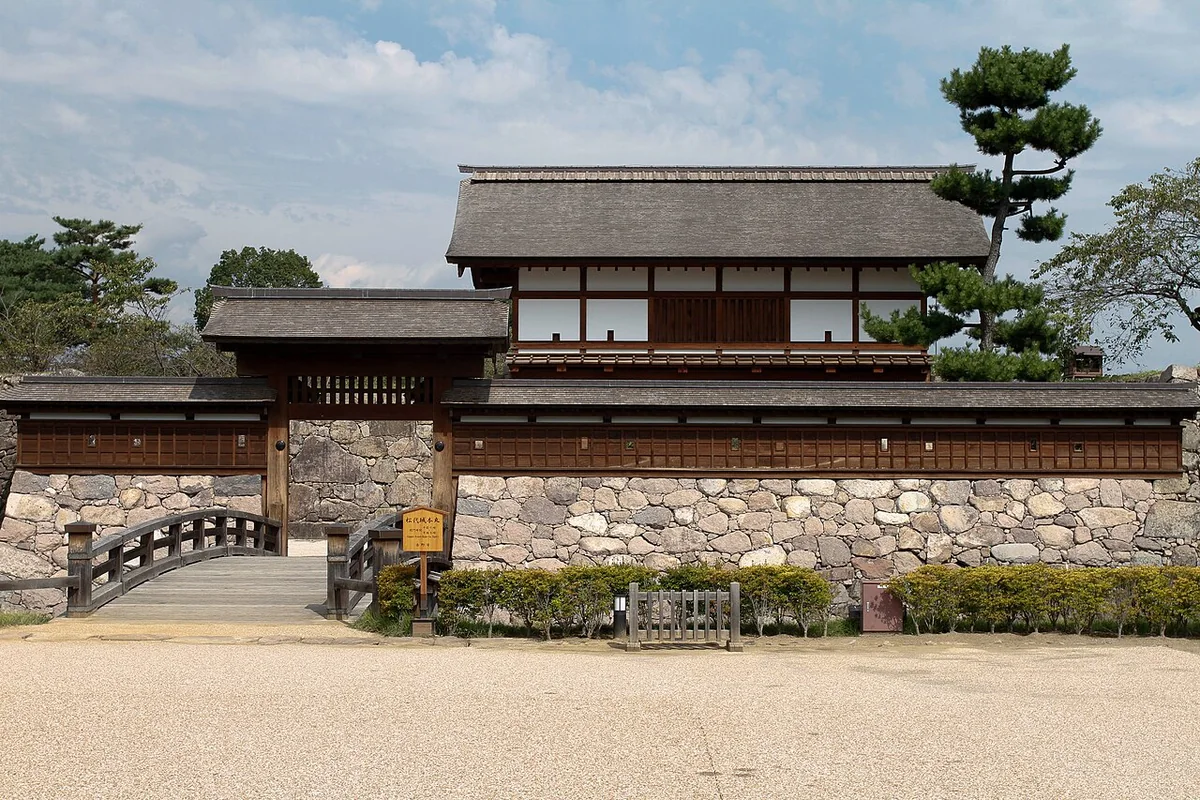
The site developed as the Takeda’s Kaizu Castle in the mid-sixteenth century and was associated with the Kawanakajima conflicts. After changes of lord, Sanada Nobuyuki moved here from Ueda in 1622. Ten generations of Sanada rulers held it until abolition in 1871. Gates and bridges were restored or reconstructed in 2004 after a long period dominated by masonry remains.
LAYOUT & ARCHITECTURE
Read the landscape and the buildings.
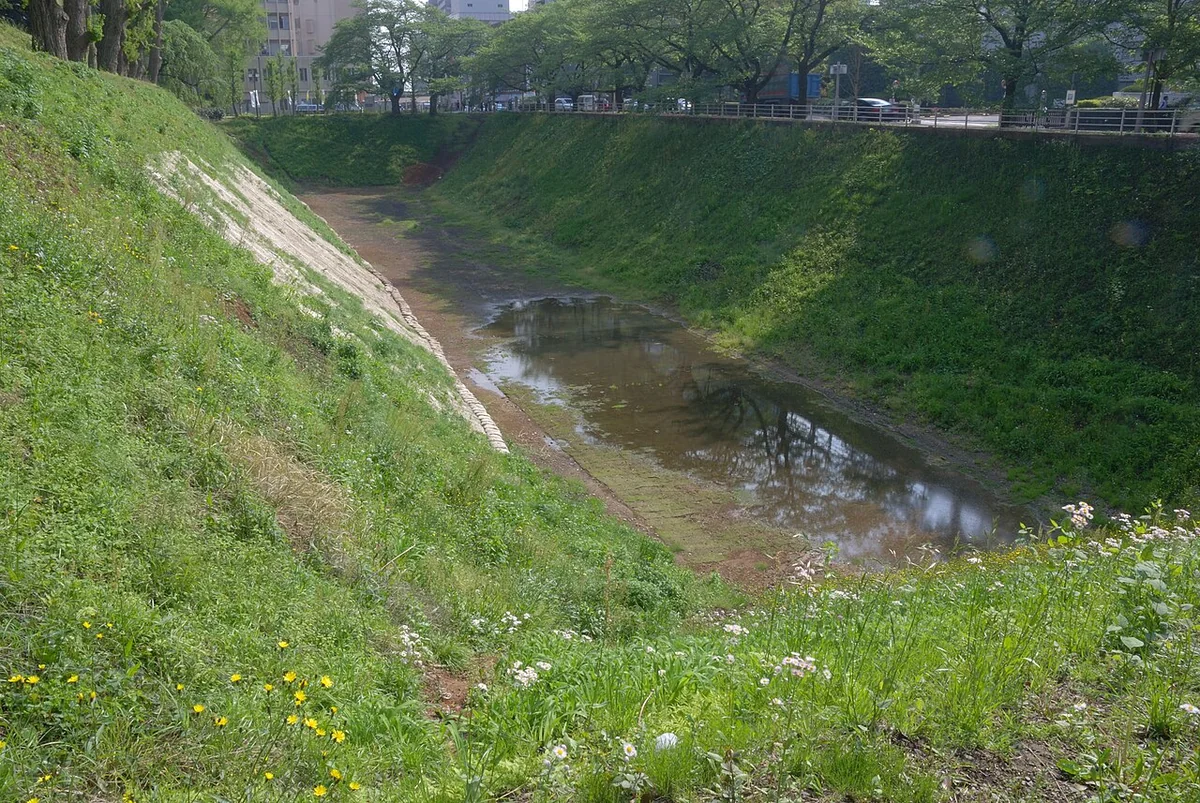
The Chikuma once protected the northern side, while moats defended the east and south. Gates and bridges linked enclosures defined by water and masonry. The historical river course is essential to understanding the location.
A CLOSER LOOK
Details worth a closer look.
Taiko Gate
The main entrance took its name from a drum used for timekeeping and signals. Its reconstruction conveys the scale of the approach to the inner enclosure.
Northwestern turret platform
This platform supported a high turret in the northwestern corner. It is a turret site, not an original keep, and helps explain observation across the plain.
Local building stone
The walls use local stone from Shiba and Mount Minakami. Their largely unshaped blocks connect the castle’s construction with regional materials.
THROUGH THE YEARS
A short timeline
- Mid-1500s
The site developed as Kaizu Castle.
- 1622
Sanada Nobuyuki moved here from Ueda.
- 2004
Gate and bridge conservation was completed.
BEFORE YOU GO
A note before you go.
Conservation works restrict some areas. Check the Sanada Museum and Nagano City for current access, and confirm openings at nearby Sanada-related facilities separately.
Information checked: 27 September 2026
Sources & official information
Some official sources are available in Japanese only.