Get to know the castle
Castle at a glance
- Site & layout
- Hilltop-and-lowland castle on a river terrace
- Origins
- Foundation uncertain; altered by the Takeda in the sixteenth century
- Builders & patrons
- Takeda clan and successive Edo-period lords
- Other names
- —
- What remains today
- Enclosures, ditches and earthen banks
THE STORY
The story behind the walls
The foundation date is uncertain, but the Takeda developed Takato as a base in the Ina Valley. It fell in 1582 when Nishina Morinobu resisted Oda Nobutada’s army. Hoshina, Torii and Naito lords later governed from the castle. After abolition in the Meiji era, it became a park in 1875 and developed its celebrated cherry landscape.
LAYOUT & ARCHITECTURE
Read the landscape and the buildings.
The castle uses a river terrace near the meeting of the Mibu and Fujisawa rivers. Ditches and banks protect its enclosures, with further defensive cuts on riverside slopes. The Edo-period core held a palace and turrets, rather than a keep.
A CLOSER LOOK
Details worth a closer look.
Moats around the core
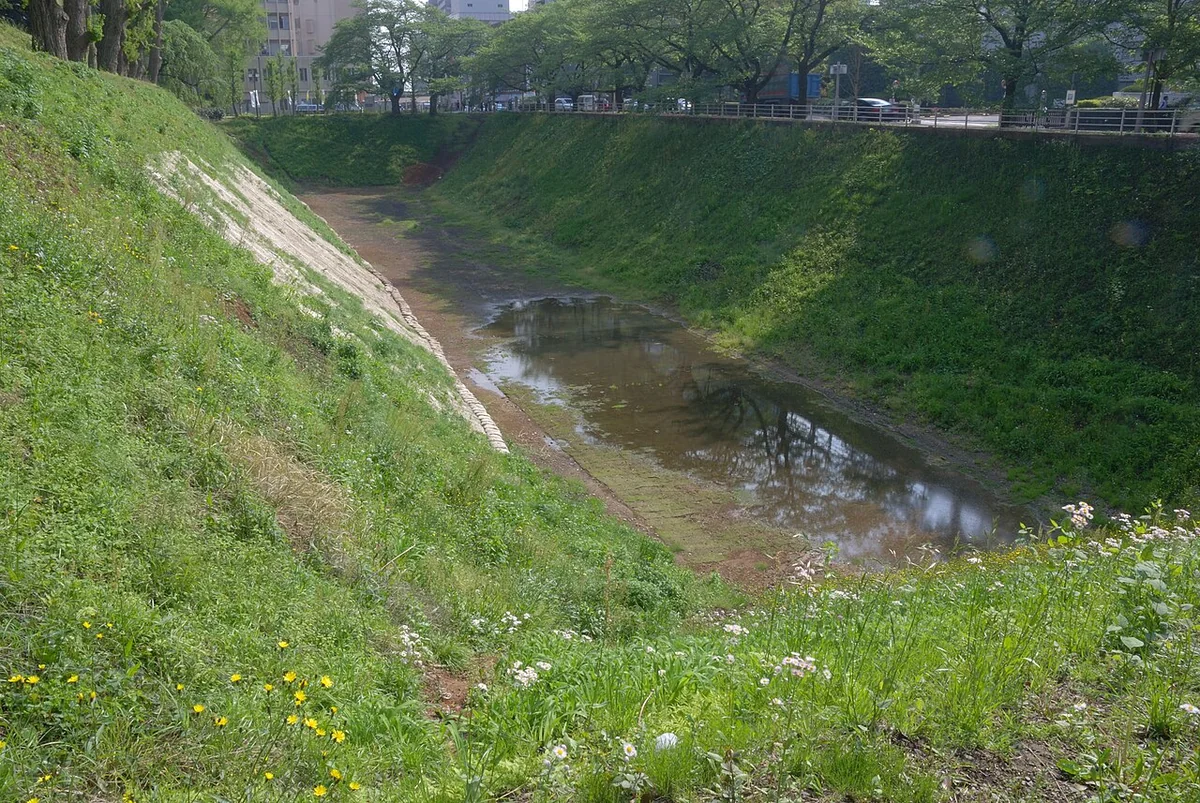
Large ditches survive around the main and neighbouring enclosures. Following their edges reveals the castle plan beneath the flower-filled park.
Banks and riverside slopes
Banks and slopes toward the Mibu River explain the defences. Consider difficulty of approach as well as the views.
Cherries and the park’s new life
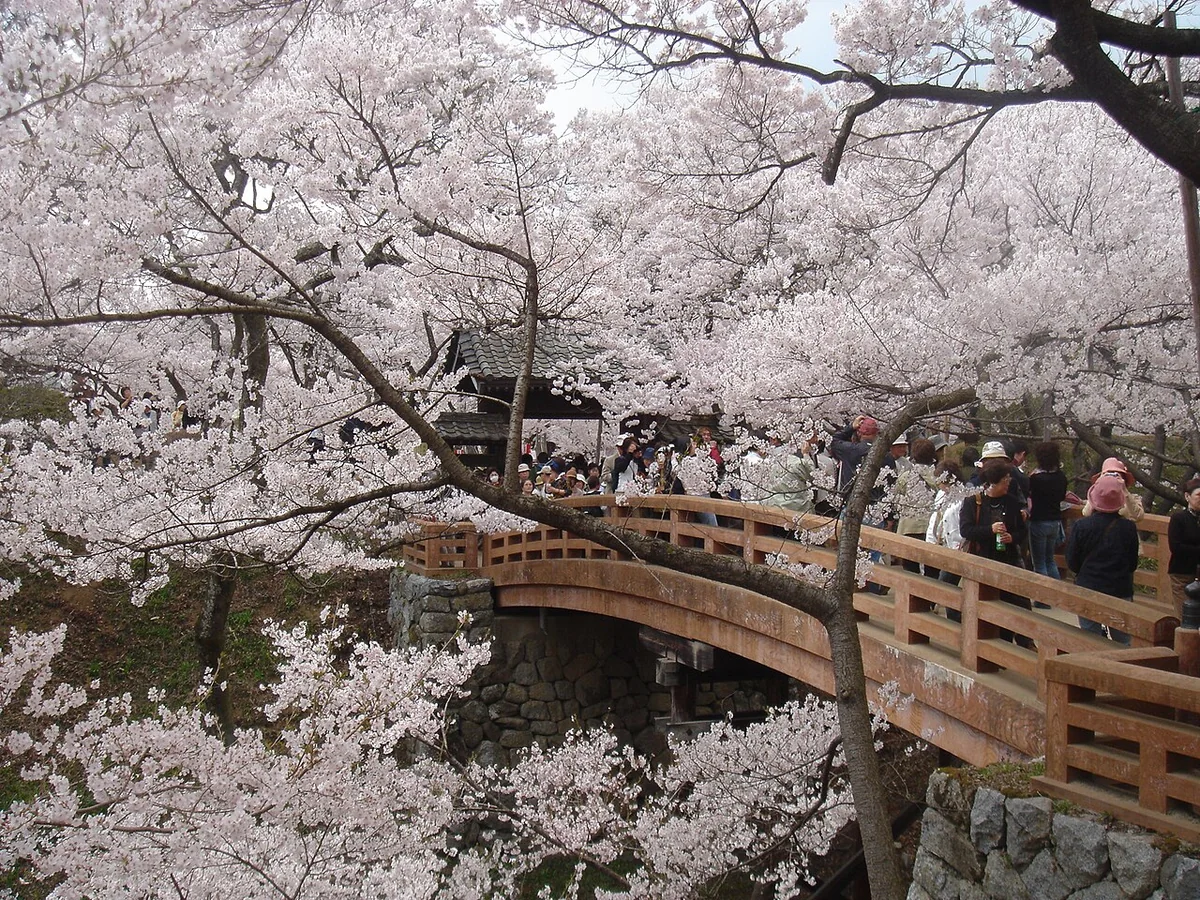
Former retainers planted cherries after the castle’s abolition. Today’s landscape reflects their care as well as the earlier stronghold.
THROUGH THE YEARS
A short timeline
- 16th century
The Takeda developed a base for the Ina region.
- 1582
The castle fell to Oda forces.
- 1875
The former castle became a park.
BEFORE YOU GO
A note before you go.
Cherry season has special admission and traffic arrangements. Check the current year’s official city and tourism information for flowering, prices, parking and transport.
Information checked: 27 September 2026
Sources & official information
Some official sources are available in Japanese only.