Get to know the castle
Castle at a glance
- Site & layout
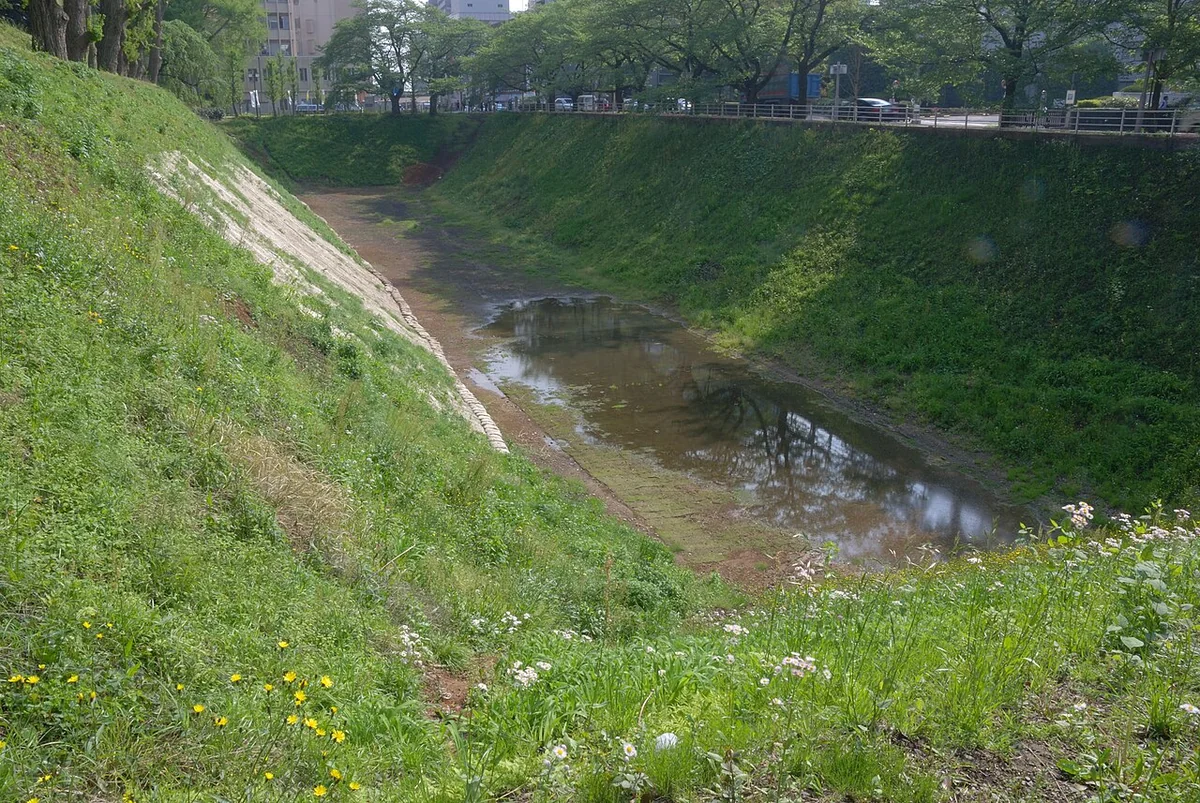
- Castle ruins using a riverside terrace
- Origins
- Begun in 1583; rebuilt from 1626
- Builders & patrons
- Sanada Masayuki; rebuilt by Sengoku Tadamasa
- Other names
- —
- What remains today
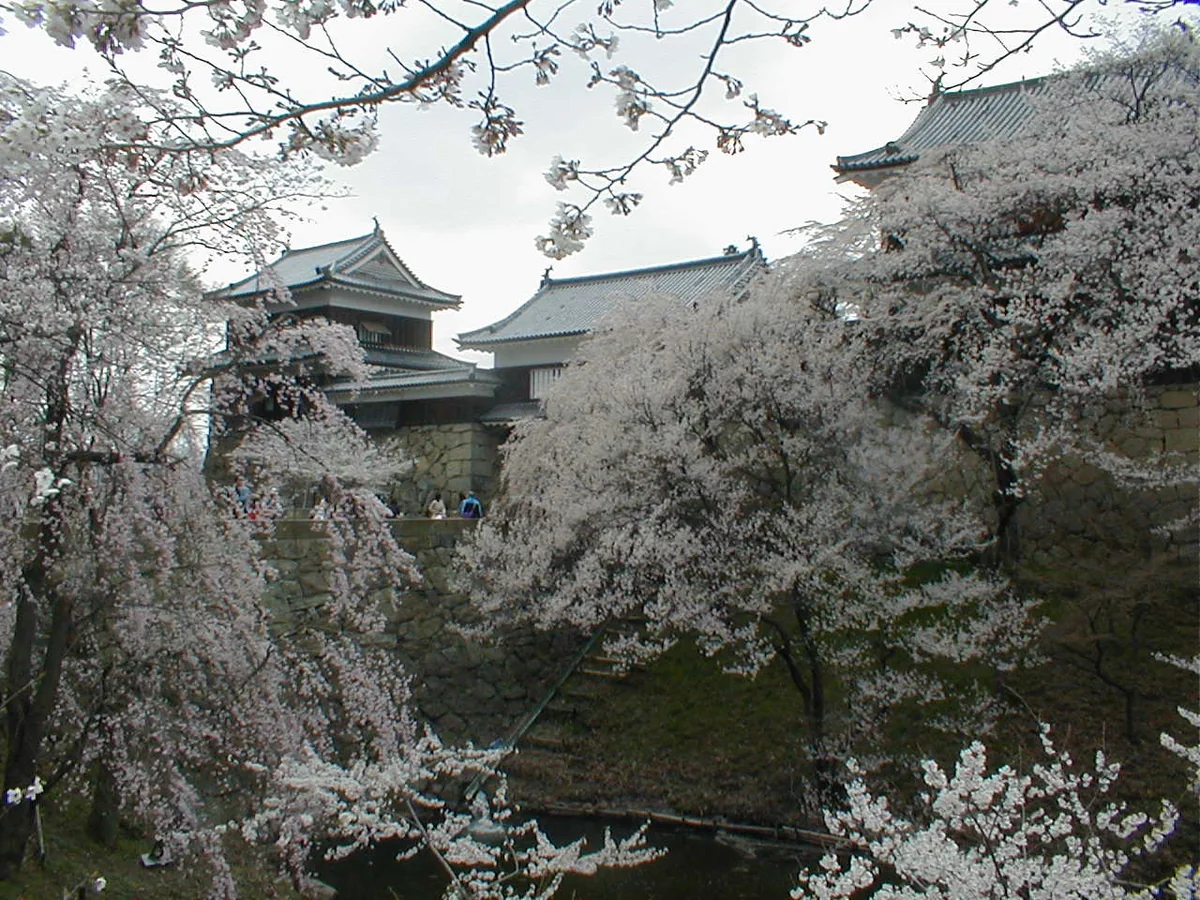
- West, north and south turrets, walls, banks and moats; reconstructed eastern gate
THE STORY
The story behind the walls
Masayuki began Ueda Castle in 1583. Tokugawa attacks in 1585 and 1600 failed to capture it during those battles. It was nevertheless dismantled after Sekigahara, before Sengoku Tadamasa began rebuilding in 1626. Today’s turrets and reconstructed gate reflect that Edo-period castle and later preservation efforts.
LAYOUT & ARCHITECTURE
Read the landscape and the buildings.
The main enclosure faces Amagafuchi to the south, with the second enclosure around its other three sides. Natural cliffs work with banks, masonry and moats. Distinguish the Sanada battlefield from structures representing Sengoku-family rebuilding.
A CLOSER LOOK
Details worth a closer look.
Three surviving turrets
The west turret escaped dismantling, while the north and south turrets were moved away and later returned. Similar-looking structures thus have different preservation histories.
Amagafuchi bluff
The drop toward Amagafuchi on the south is central to the defences. A view from below explains how terrain strengthened the enclosure.
Eastern turret gate
The eastern turret gate was reconstructed in 1994. Together with the old turrets, it restores a clearer sense of the main enclosure’s entrance.
THROUGH THE YEARS
A short timeline
- 1583
Sanada Masayuki began construction.
- 1600
The second Battle of Ueda took place.
- 1626
Sengoku Tadamasa began rebuilding.
- 1949
The north and south turrets were returned.
BEFORE YOU GO
A note before you go.
Turret interiors, the museum and park have different arrangements. Check Ueda City’s official castle site for seasonal openings, closures, works and events.
Information checked: 27 September 2026
Sources & official information
Some official sources are available in Japanese only.