Get to know the castle
Castle at a glance
- Site & layout
- Castle ruins using river cliffs
- Origins
- Traditionally founded in 1476; expanded by Hojo Ujikuni
- Builders & patrons
- Traditionally Nagao Kageharu; Hojo Ujikuni
- Other names
- —
- What remains today
- Banks, ditches and enclosures; selected structures reconstructed
THE STORY
The story behind the walls
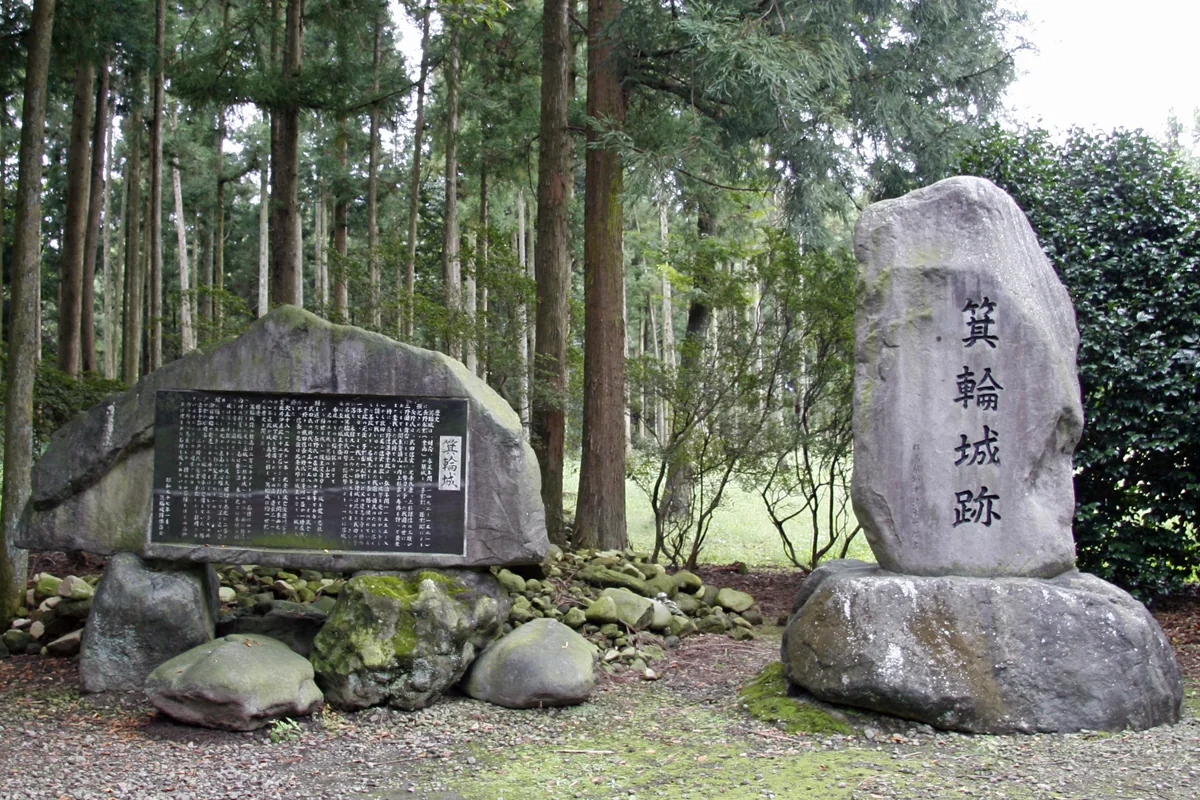
Tradition attributes the foundation to Nagao Kageharu in 1476. Hojo Ujikuni later expanded it as a regional stronghold. In 1590 it surrendered during Toyotomi Hideyoshi’s campaign against the Hojo. Its role ended, but riverine terrain and archaeological remains survive in the historic park.
LAYOUT & ARCHITECTURE
Read the landscape and the buildings.
Two river valleys shape the site, supplemented by artificial ditches and banks. Narrow entrances controlled movement between enclosures. Natural cliffs and changes in ground level, rather than a tall keep, dominate the defences.
A CLOSER LOOK
Details worth a closer look.
River cliffs
Cliffs above the Arakawa provided a powerful natural defence. The height difference between river and castle explains the choice of site.
Enclosures and ditches
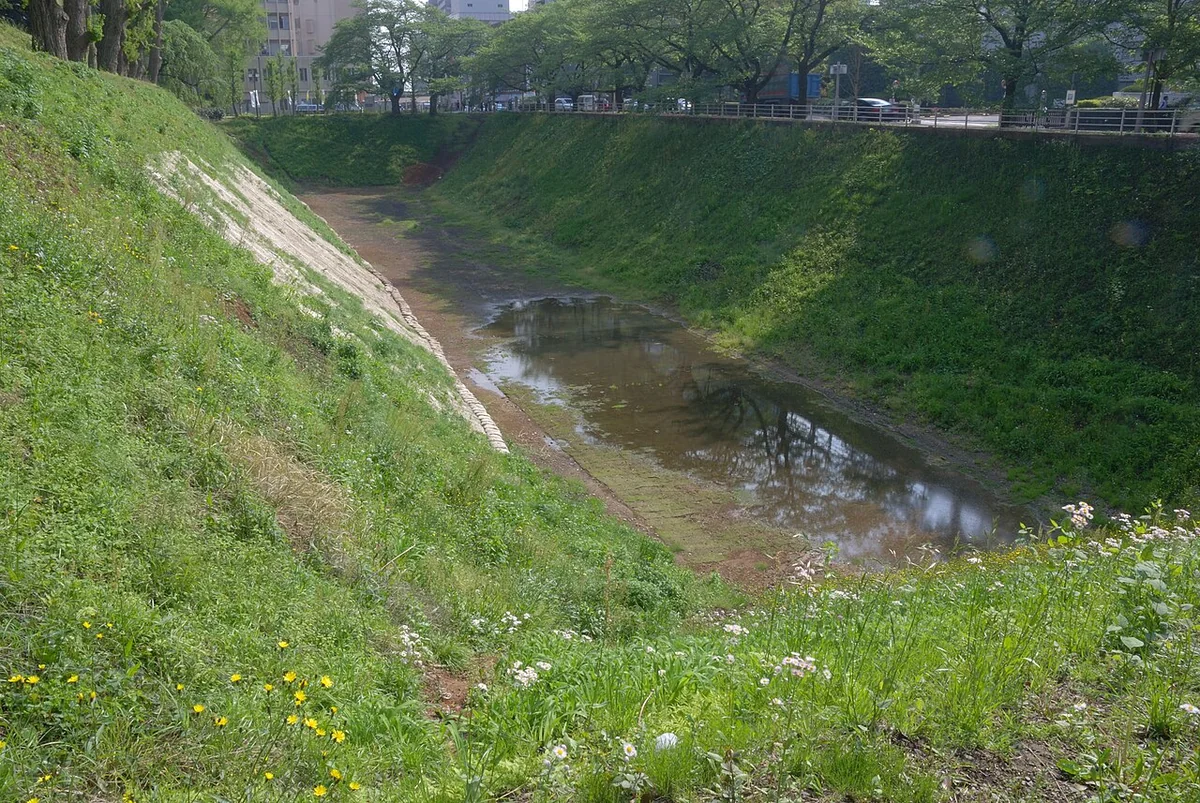
Banks and ditches divide a broad series of enclosures. Crossing their boundaries reveals successive lines of defence.
Reading the restored site
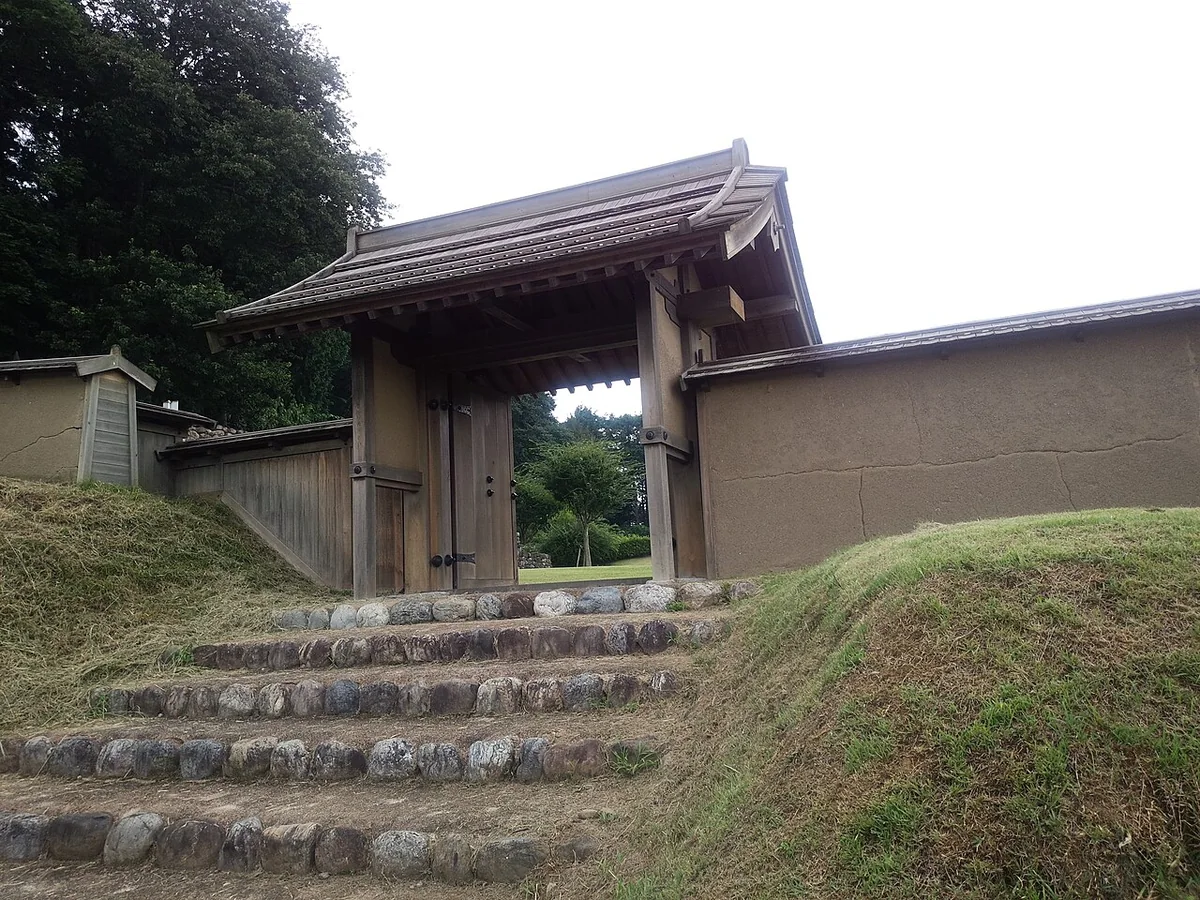
Excavation-based presentation makes gates and enclosure boundaries easier to understand. Compare restored elements with surviving terrain.
THROUGH THE YEARS
A short timeline
- 1476
Traditional foundation by Nagao Kageharu.
- 16th century
Hojo Ujikuni expanded the castle.
- 1590
The castle surrendered to Toyotomi forces.
BEFORE YOU GO
A note before you go.
The historic park and museum have different visiting arrangements. Check Yorii Town for closures and works, and respect restrictions near the river cliffs.
Information checked: 27 September 2026
Sources & official information
Some official sources are available in Japanese only.