Get to know the castle
Castle at a glance
- Site & layout
- Fortified residence of a Sengoku ruler
- Origins
- 1519
- Builders & patrons
- Takeda Nobutora and his successors
- Other names
- Tsutsujigasaki Residence
- What remains today
- Moats and banks; now Takeda Shrine and surrounding historic areas
THE STORY
The story behind the walls
Takeda Nobutora founded the residence in 1519 as his base at Kofu. Shingen and Katsuyori continued to use it for government and residence. The buildings were later lost, and Takeda Shrine was founded here in 1919 to honour Shingen. Excavation and conservation have clarified the enclosures and entrances.
LAYOUT & ARCHITECTURE
Read the landscape and the buildings.
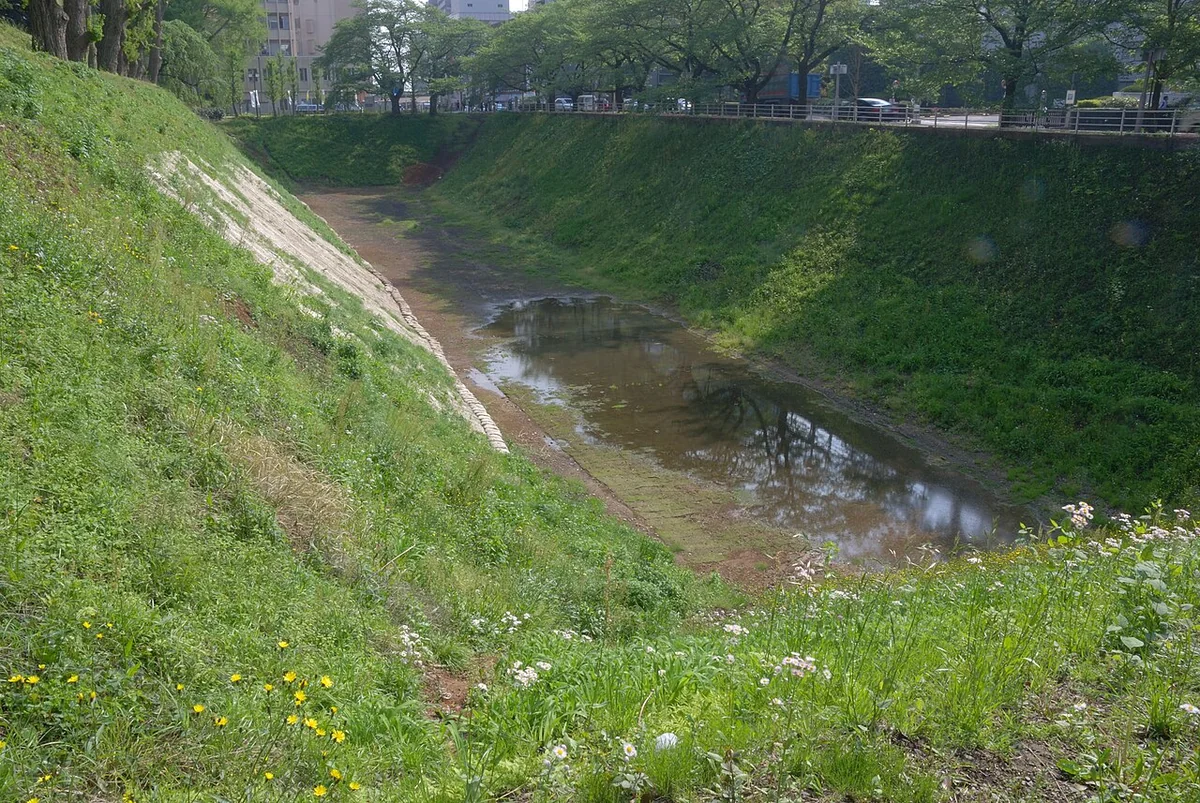
The residence was divided into several enclosures, protected by moats and banks. Shrine construction altered some areas, so the present grounds are not an unchanged Sengoku layout. Excavated entrances and masonry help reconstruct the earlier arrangement.
A CLOSER LOOK
Details worth a closer look.
Moats and banks
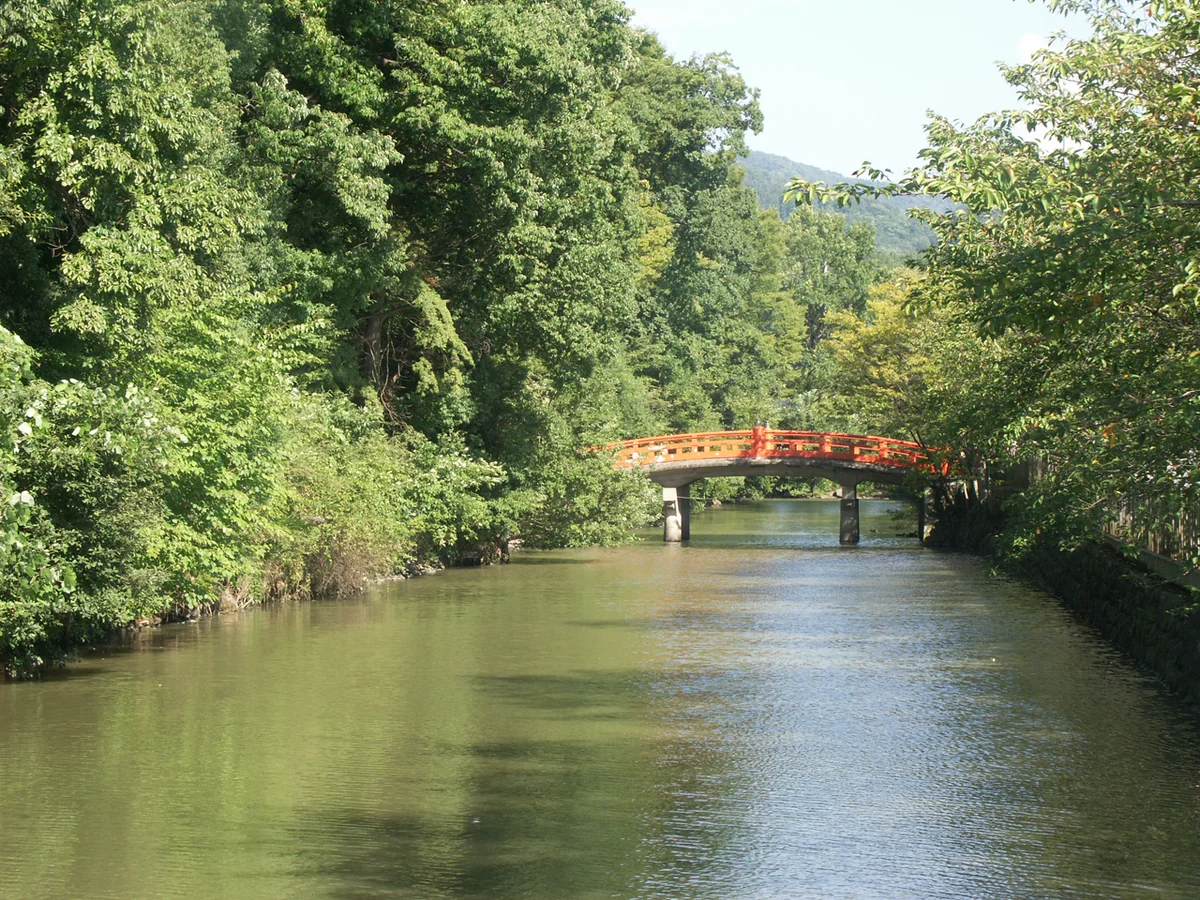
Moats and banks around the shrine preserve parts of the residence’s defences. Looking beyond the modern approach helps reveal old enclosure boundaries.
Seat of three generations
Nobutora’s residence was inherited by Shingen and Katsuyori. It represents continuity across a ruling family, not simply a place associated with one famous warrior.
Shingen Museum
The neighbouring museum explains the residence and its excavated objects. Displays provide context for the earthworks still visible outside.
THROUGH THE YEARS
A short timeline
- 1519
Takeda Nobutora founded the residence.
- 16th century
Shingen and Katsuyori also used the residence.
- 1919
Takeda Shrine was founded.
BEFORE YOU GO
A note before you go.
Check shrine ceremonies and museum openings separately. Consult Kofu City and Takeda Shrine for current access and guiding arrangements.
Information checked: 27 September 2026
Sources & official information
- Yamanashi Prefecture: Takeda residence ↗
- Kofu City: Shingen Museum ↗
- Kofu City: Places associated with Shingen ↗
Some official sources are available in Japanese only.