Get to know the castle
Castle at a glance
- Site & layout
- Medieval warrior residence site, now a temple
- Origins
- Medieval residence; Buddhist hall traditionally founded in 1196
- Builders & patrons
- Ashikaga clan; temple developed by Yoshikane and Yoshiuji
- Other names
- Ashikaga residence site (Banna-ji)
- What remains today
- Moat, banks and historic temple buildings
THE STORY
The story behind the walls
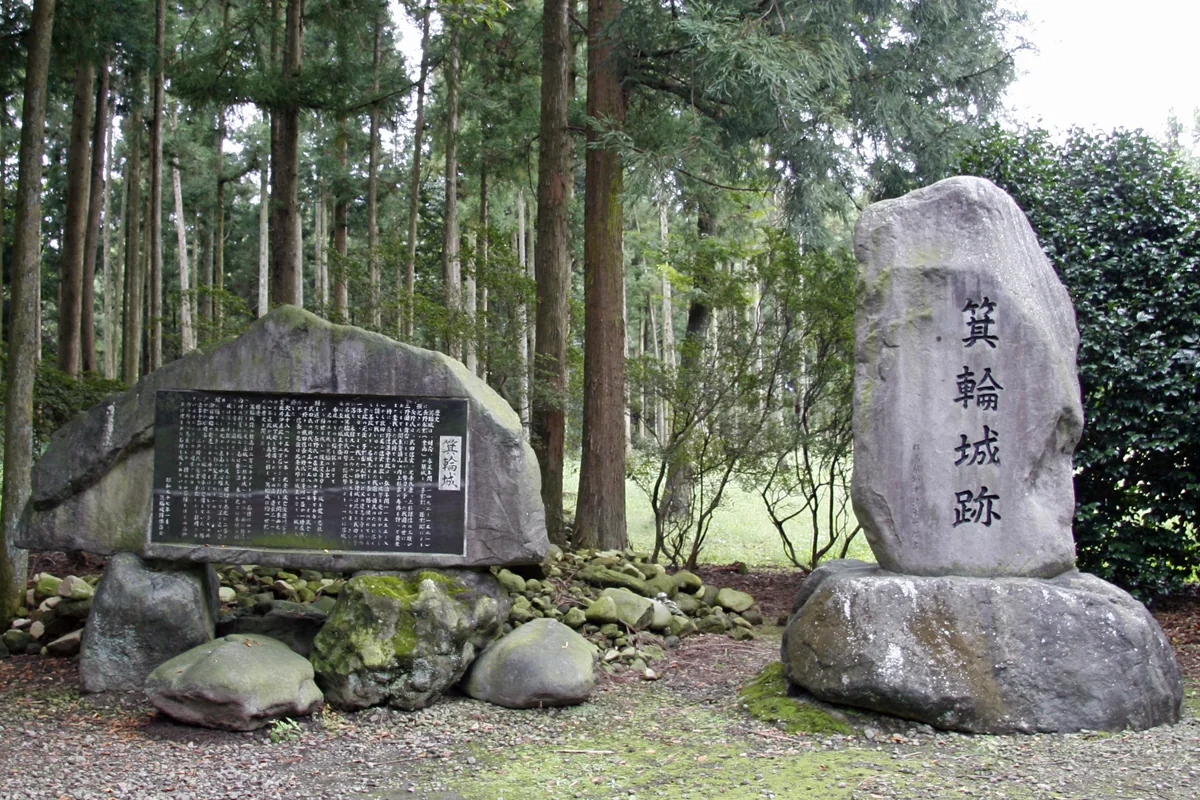
Tradition records Ashikaga Yoshikane establishing a Buddhist hall at the clan residence in 1196. His son Yoshiuji developed the temple further. Its surrounding moat and banks retain the form of a warrior residence. Today the historic residence site and Banna-ji’s important buildings can be studied together.
LAYOUT & ARCHITECTURE
Read the landscape and the buildings.
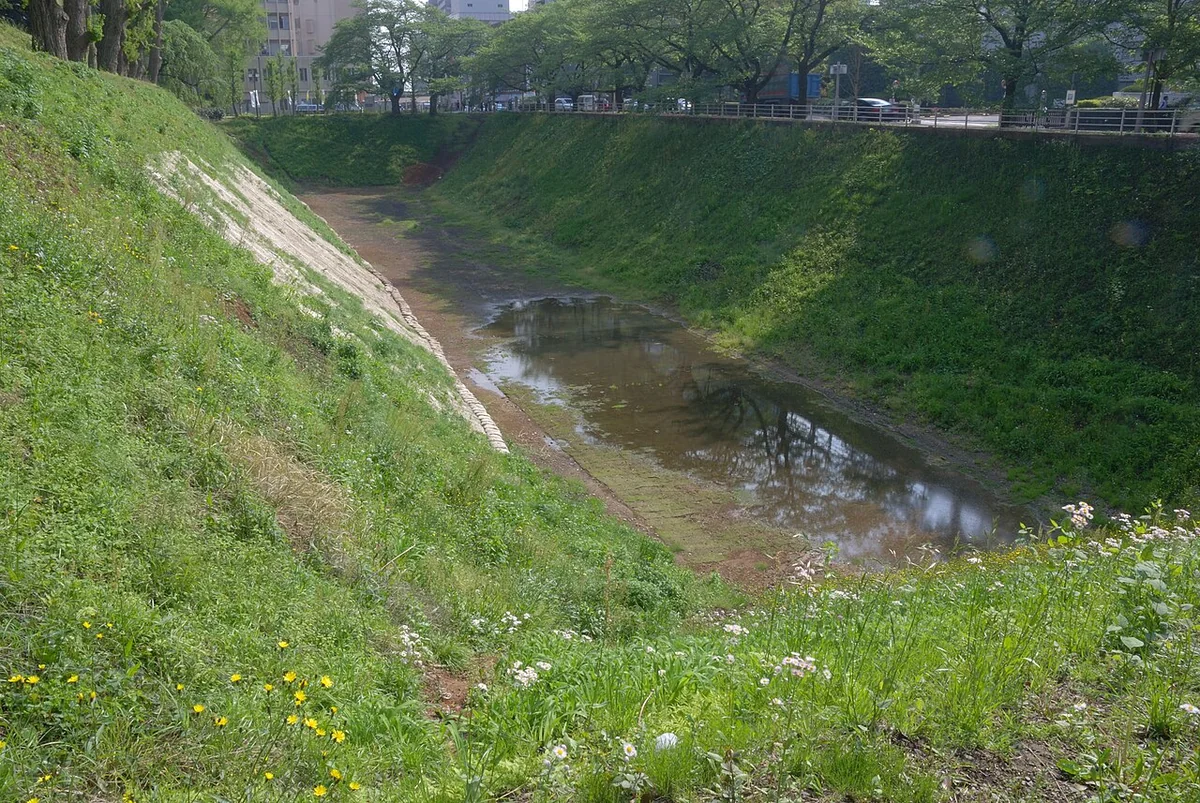
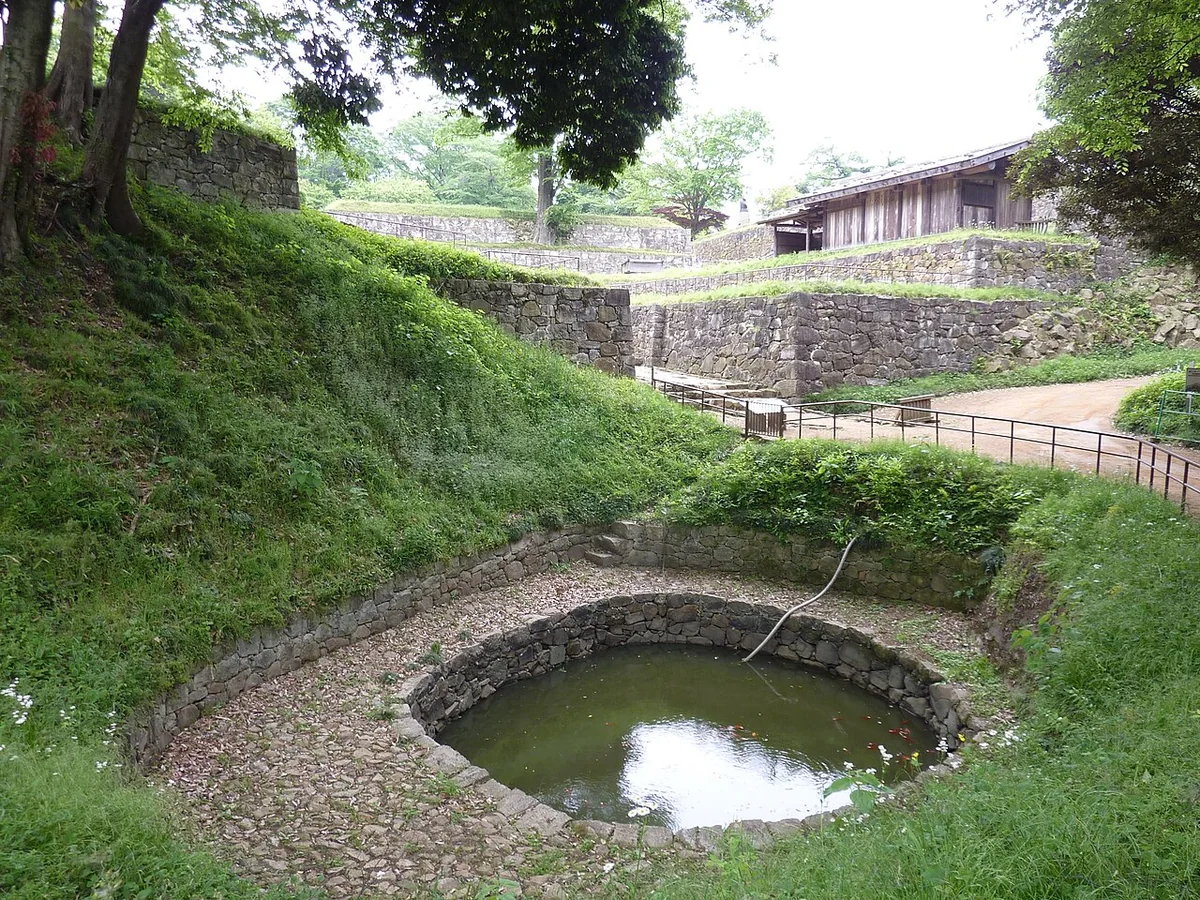
A compact compound is enclosed by moat and banks on all sides. It represents a medieval residence defended on level ground rather than a mountain castle or keep complex. The buildings inside follow a temple arrangement, not an intact medieval residential plan.
A CLOSER LOOK
Details worth a closer look.
Moat and banks
The encircling moat and banks are key evidence of the medieval residence. Looking around the perimeter reveals its defensive form within a temple setting.
Banna-ji Main Hall
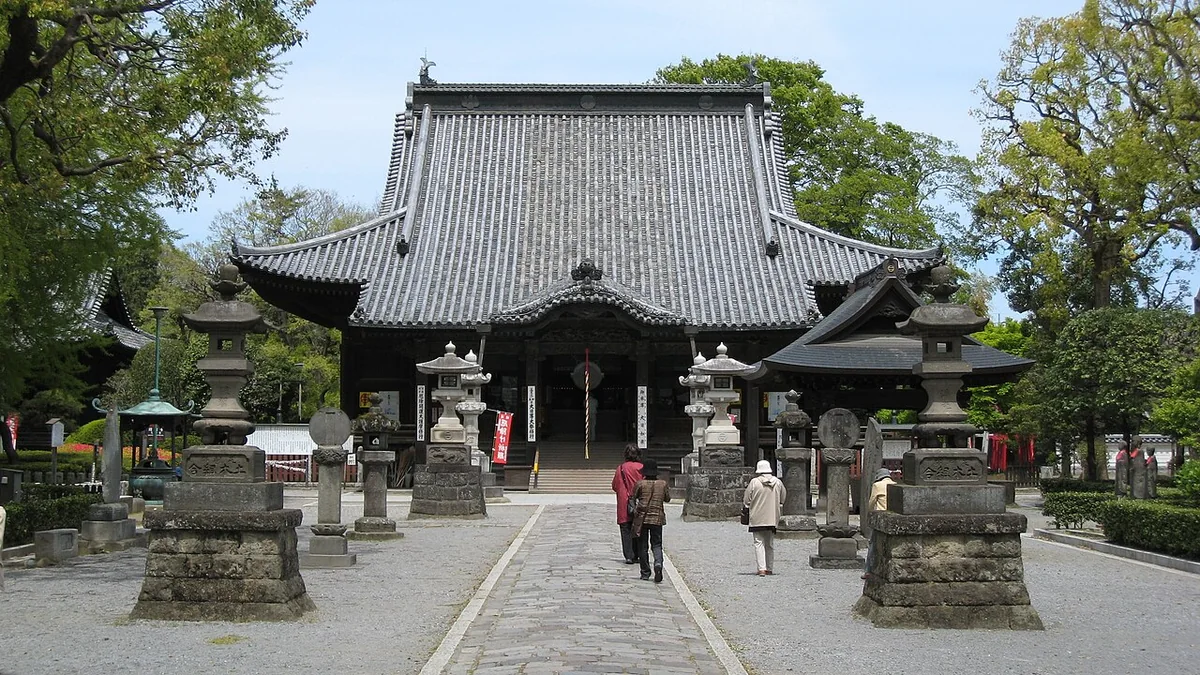
The National Treasure Main Hall represents the site’s temple history. It is religious architecture, not a surviving palace or keep.
Residence to clan temple
A Buddhist hall was established within the clan’s residential setting, which developed into its family temple. This change of function is central to the site’s character.
THROUGH THE YEARS
A short timeline
- 1196
Traditional foundation of Yoshikane’s Buddhist hall.
- Kamakura period
Yoshiuji developed the family temple.
- Today
The residence site and temple heritage remain protected.
BEFORE YOU GO
A note before you go.
This remains an active temple. Check Banna-ji and the Ashikaga Tourism Association for interior access, ceremonies and visitor arrangements.
Information checked: 27 September 2026
Sources & official information
Some official sources are available in Japanese only.