Get to know the castle
Castle at a glance
- Site & layout
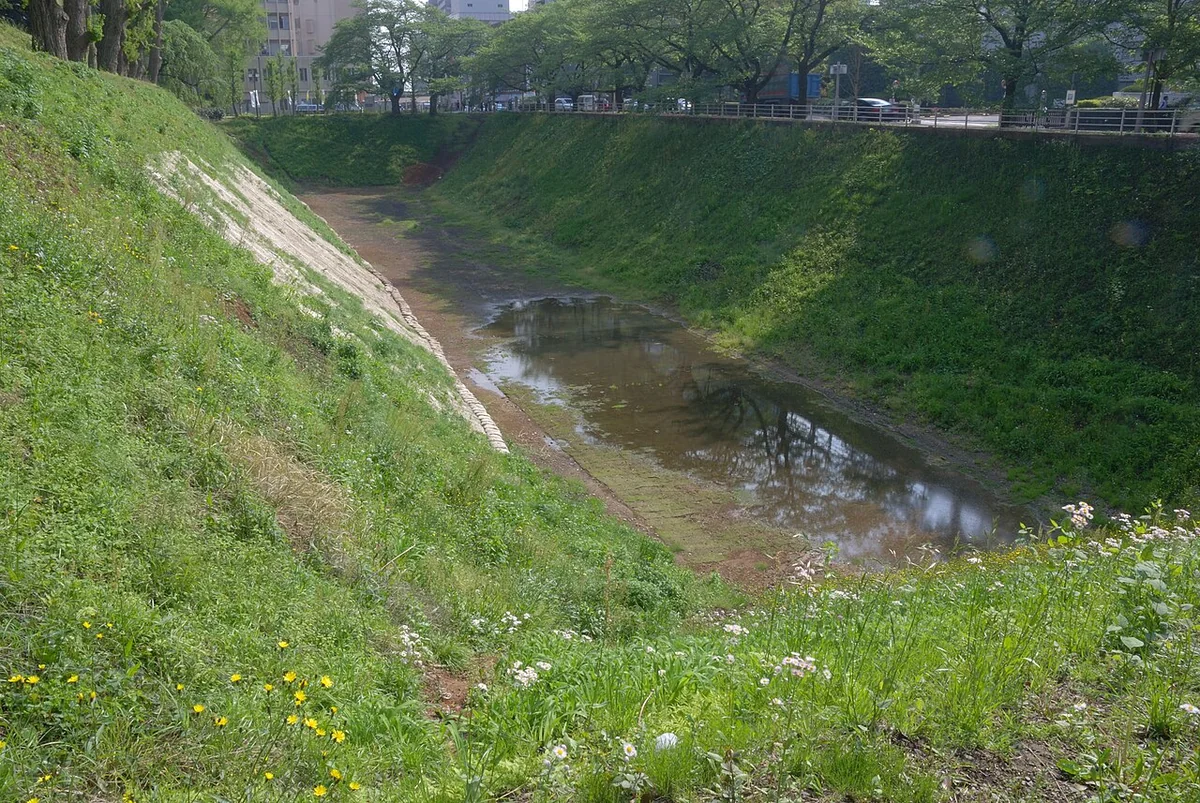
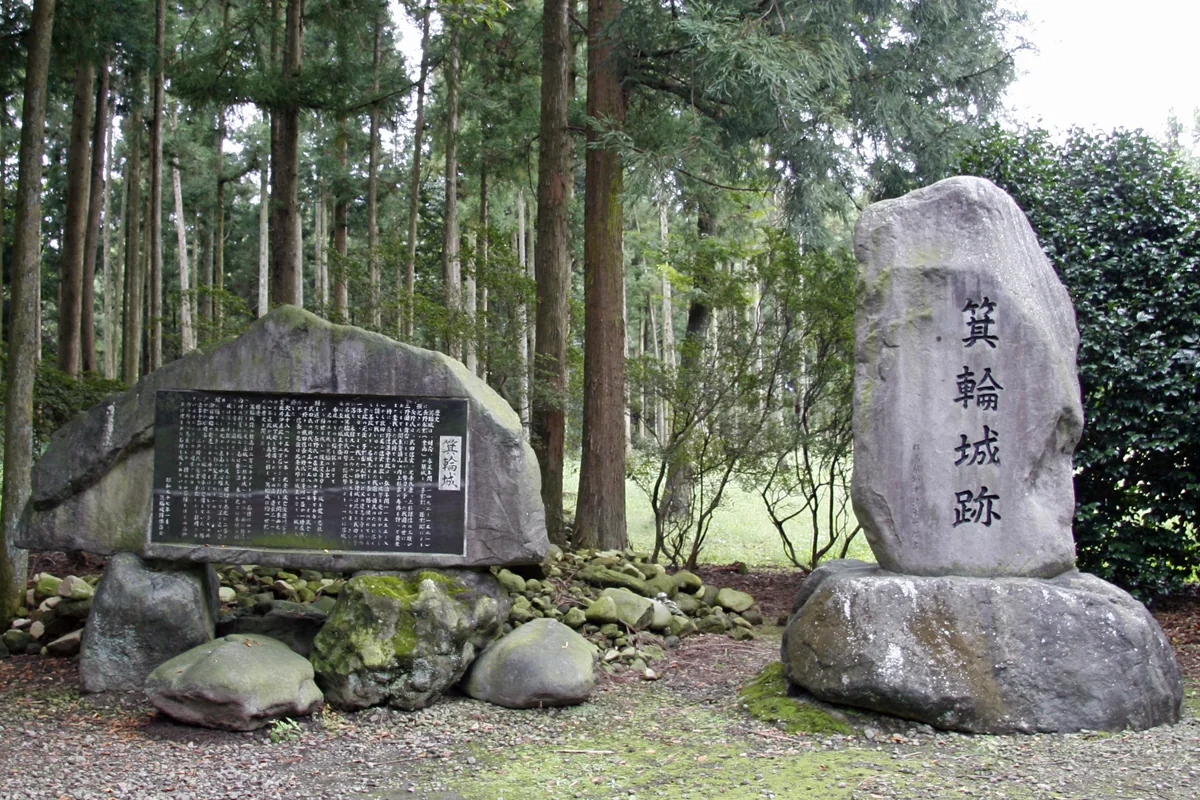
- Castle site retaining part of its main palace
- Origins
- Castle traditionally founded in 1457; surviving palace dates to 1848
- Builders & patrons
- Ota Doshin and Dokan; palace by Matsudaira Naritsune
- Other names
- —
- What remains today
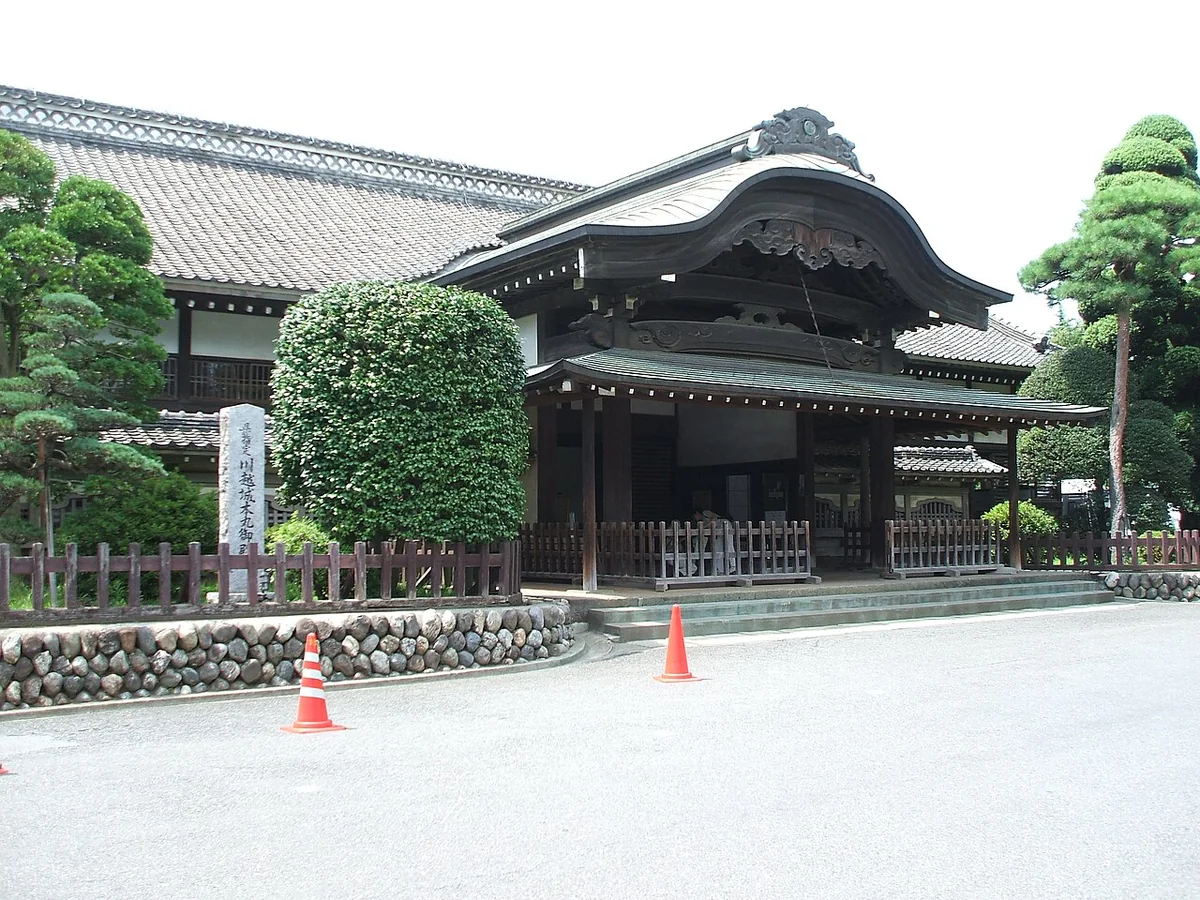
- Palace entrance, hall and other rooms; retainers’ quarters
THE STORY
The story behind the walls
Tradition dates the castle to 1457, built by Ota Doshin and Dokan for Uesugi Mochitomo. In the Edo period, senior shogunal retainers governed this strategic site north of Edo. Matsudaira Naritsune built the palace represented by today’s remains in 1848. Most was later dismantled, but the entrance and hall areas survived, with the retainers’ quarters subsequently returned.
LAYOUT & ARCHITECTURE
Read the landscape and the buildings.
The main surviving structure is a single-storey wooden palace. Corridors and rooms connected to the entrance reflect rank and official function. Only part of the much larger palace remains, so the overall plan provides valuable context.
A CLOSER LOOK
Details worth a closer look.
Curved-gable entrance
The entrance survives from the 1848 palace. Its curved gable and broad single-storey form express status differently from a tall keep.
Hall and official rooms
The hall and rooms for envoys and officials reflect different duties. Their arrangement shows the castle as an administrative workplace.
Senior retainers’ quarters
The senior retainers’ quarters were moved away and later returned. Their history shows how preservation can involve relocation and restoration.
THROUGH THE YEARS
A short timeline
- 1457
Traditional foundation by the Ota family.
- 1848
Matsudaira Naritsune built the palace.
- After 1868
Most of the palace was lost; surviving sections were preserved.
BEFORE YOU GO
A note before you go.
The palace operates as a visitor facility. Check the Kawagoe City Museum’s official information for opening days, admission, exhibitions and conservation works.
Information checked: 27 September 2026
Sources & official information
Some official sources are available in Japanese only.