Get to know the castle
Castle at a glance
- Site & layout
- Hilltop castle
- Origins
- Construction began in 1604 and ended in 1616
- Builders & patrons
- Mori Tadamasa; later used by the Matsudaira family
- Other names
- The ruins are known as Kakuzan Park
- What remains today
- Stone walls and enclosures; Bitchu Turret reconstructed in 2005
THE STORY
The story behind the walls
Mori Tadamasa arrived in Tsuyama in 1603 and began construction in 1604. Work continued for about thirteen years until 1616, developing both the castle and its town. The Matsudaira family later held the castle, but the keep and other buildings were removed in the Meiji era. The ruins became Kakuzan Park, where conservation centres on the surviving stone walls. Reconstruction of the Bitchu Turret in 2005 restored one part of the lost building complex.
LAYOUT & ARCHITECTURE
Read the landscape and the buildings.
A central enclosure occupies the hilltop, surrounded by second and third enclosures. Tall stone walls and turning passages through gates prevented a direct approach to the centre. Comparing the former keep site with the Bitchu Turret helps distinguish a prominent landmark from buildings associated with the palace.
A CLOSER LOOK
Details worth a closer look.
A castle outlined in stone
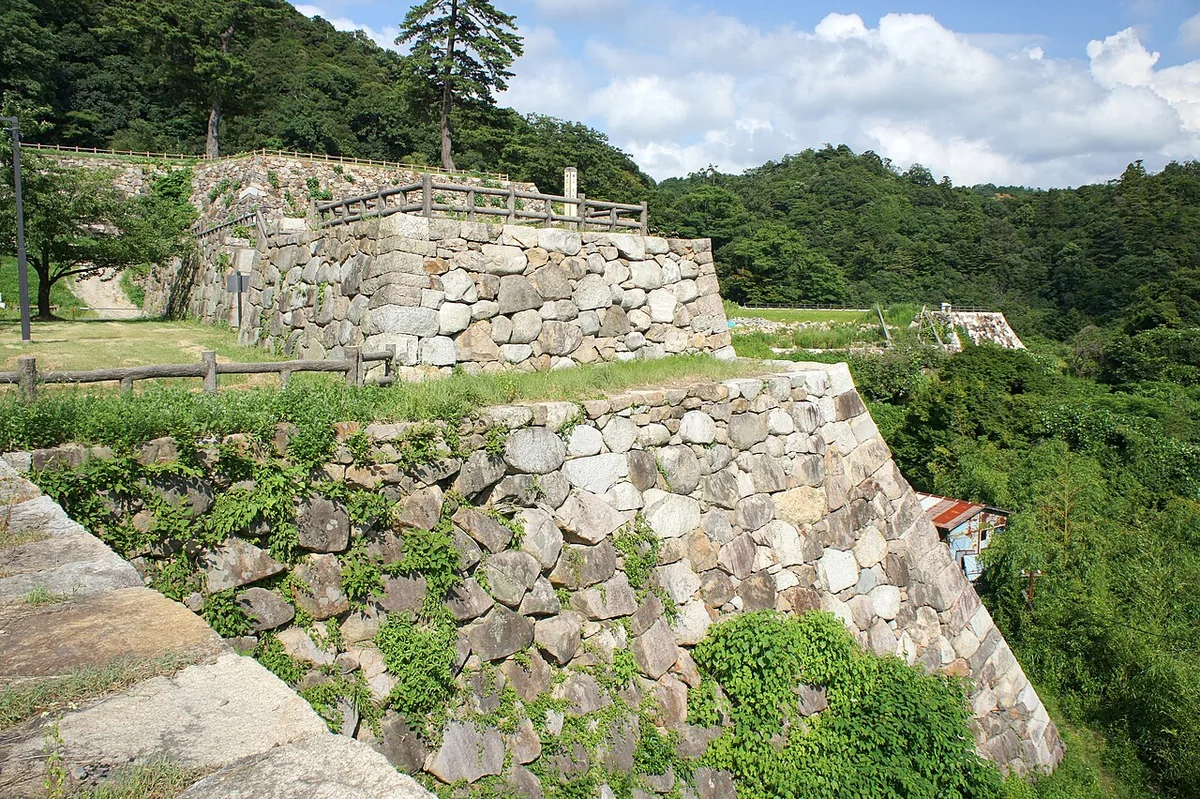
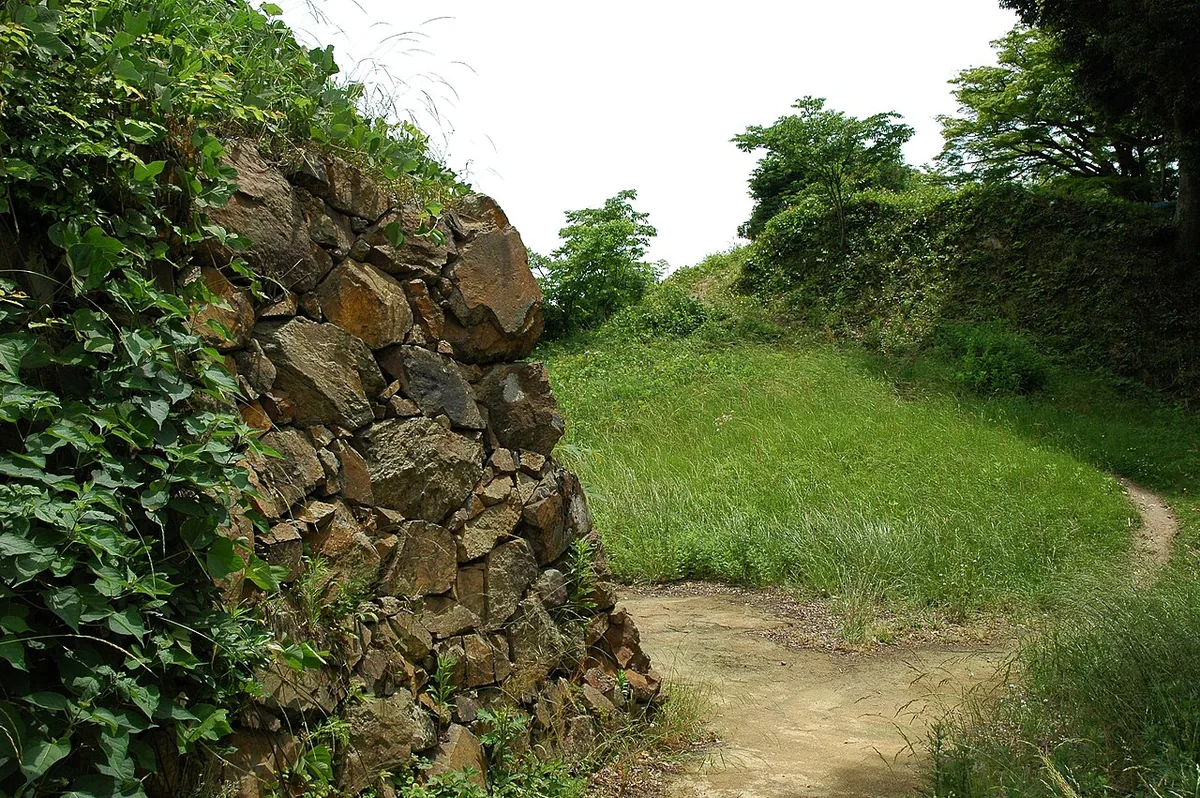
Ninomaru and Sannomaru surround the central enclosure, with stone walls creating substantial changes in level. Looking back during the ascent reveals several defensive lines rather than one continuous barrier.
The reconstructed Bitchu Turret
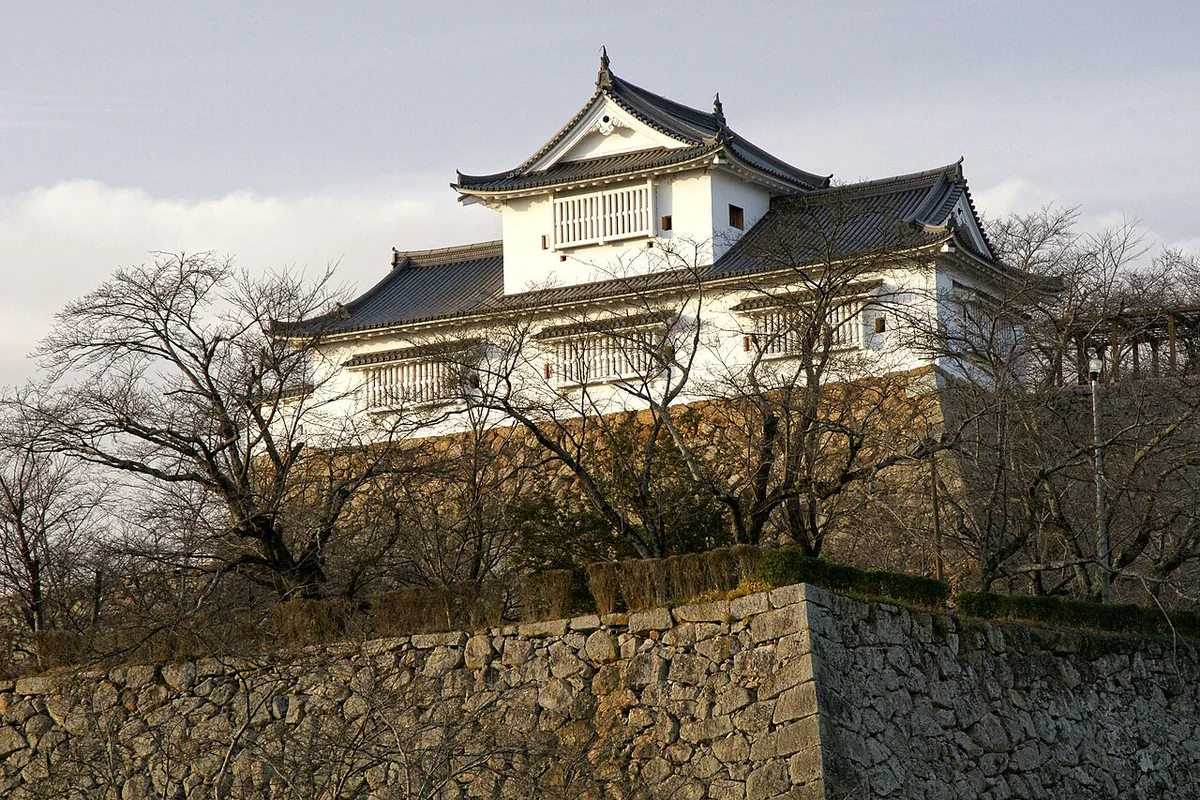
The Bitchu Turret was reconstructed in 2005 and is distinct from the former keep. Its rooms once connected with the palace’s private spaces, showing that a turret could also serve residential functions.
Connections with the castle town
The Mori developed the surrounding town alongside the castle. Exploring its streets after the stone precincts helps connect the hilltop defences with the community at their foot.
THROUGH THE YEARS
A short timeline
- 1604
Mori Tadamasa began construction.
- 1616
The building campaign ended after about thirteen years.
- 2005
The Bitchu Turret was reconstructed.
BEFORE YOU GO
A note before you go.
Exploring the enclosures involves climbing stone steps. A visit inside the Bitchu Turret differs from a walk through the park, so include its opening arrangements when planning to see the building.
Information checked: 27 September 2026
Sources & official information
- Tsuyama Machiju Museum: Bitchu Turret ↗
- Tsuyama City: castle conservation and development plan ↗
- Tsuyama City: historic town development ↗
Some official sources are available in Japanese only.