Get to know the castle
Castle at a glance
- Site & layout
- Mountain castle
- Origins
- Medieval origins; exact foundation year uncertain
- Builders & patrons
- Developed by the Amago, Mori, Kikkawa and Horio families
- Other names
- Toda Castle; Gassan Castle
- What remains today
- Enclosures, stone walls, earthworks and ridge ditches; reconstructed buildings at Hananodan
THE STORY
The story behind the walls
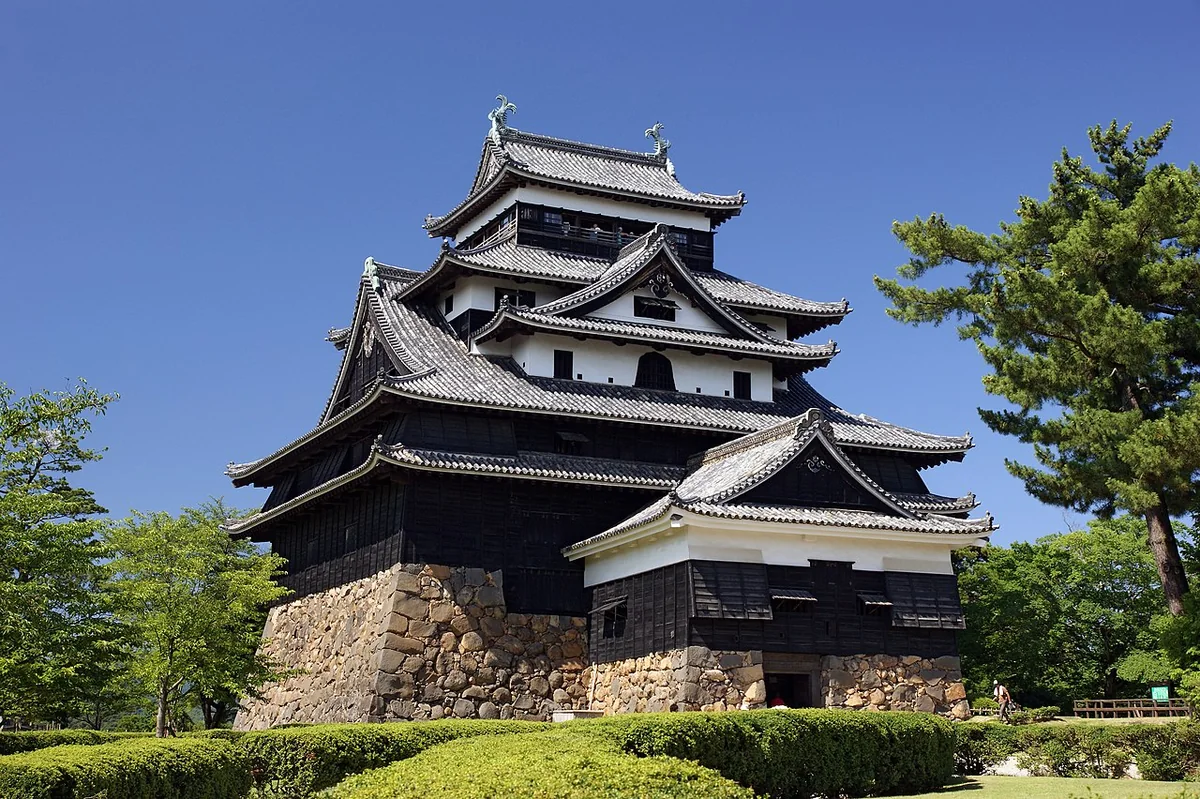
The castle’s exact foundation date is uncertain, but it became an important medieval base in Izumo. The Amago expanded their power from here, and the Mori and Kikkawa families later altered the defences. After the Battle of Sekigahara, the Horio family took over, shifting the centre of government towards Matsue in 1608. The one-castle-per-domain policy ended Toda’s role in 1615, but enclosures and stonework from successive occupants remain.
LAYOUT & ARCHITECTURE
Read the landscape and the buildings.
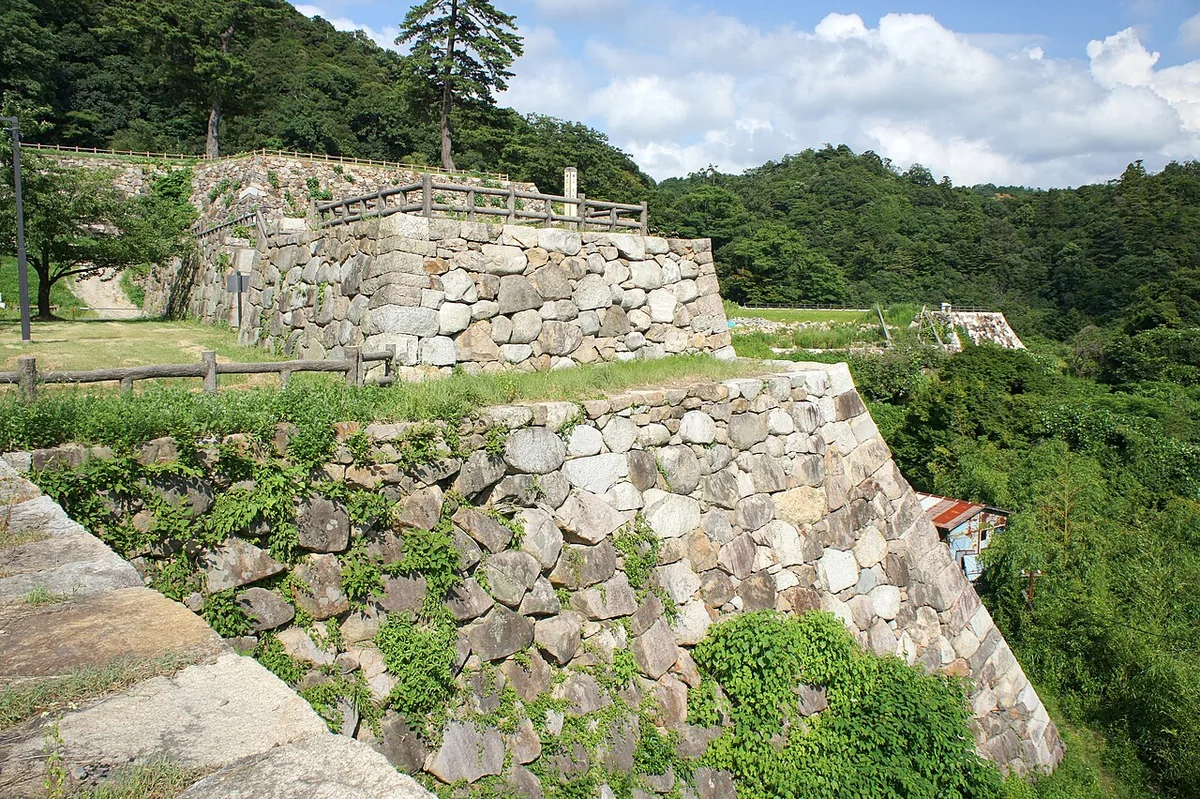
Three approaches converge on the residential terrace below the zigzag ascent and summit defences. Residential and defensive functions were separated, with ridge ditches, stepped enclosures, walls and earthworks fitted to the terrain. The remains include changes made by the Mori, Kikkawa and Horio families as well as the Amago.
A CLOSER LOOK
Details worth a closer look.
The Sanchu Goten residential terrace
This broad terrace halfway up the mountain is thought to have held the lord’s residence. It shows that the castle included places for administration and daily life, rather than only a summit fortress.
The zigzag ascent
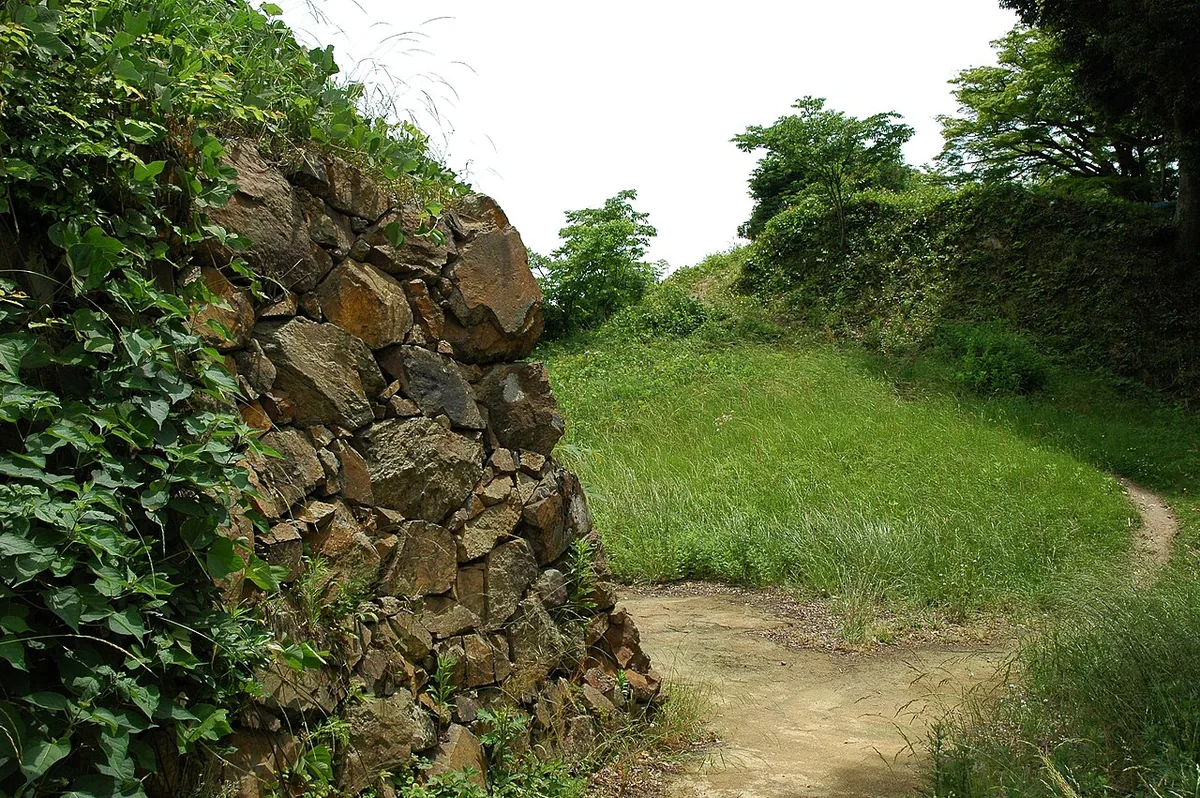
A steep zigzag route leads from the residential terrace to the upper enclosures. Terraces on either side could defend the path, making the ascent itself part of the fortification.
Summit walls and a defensive ditch
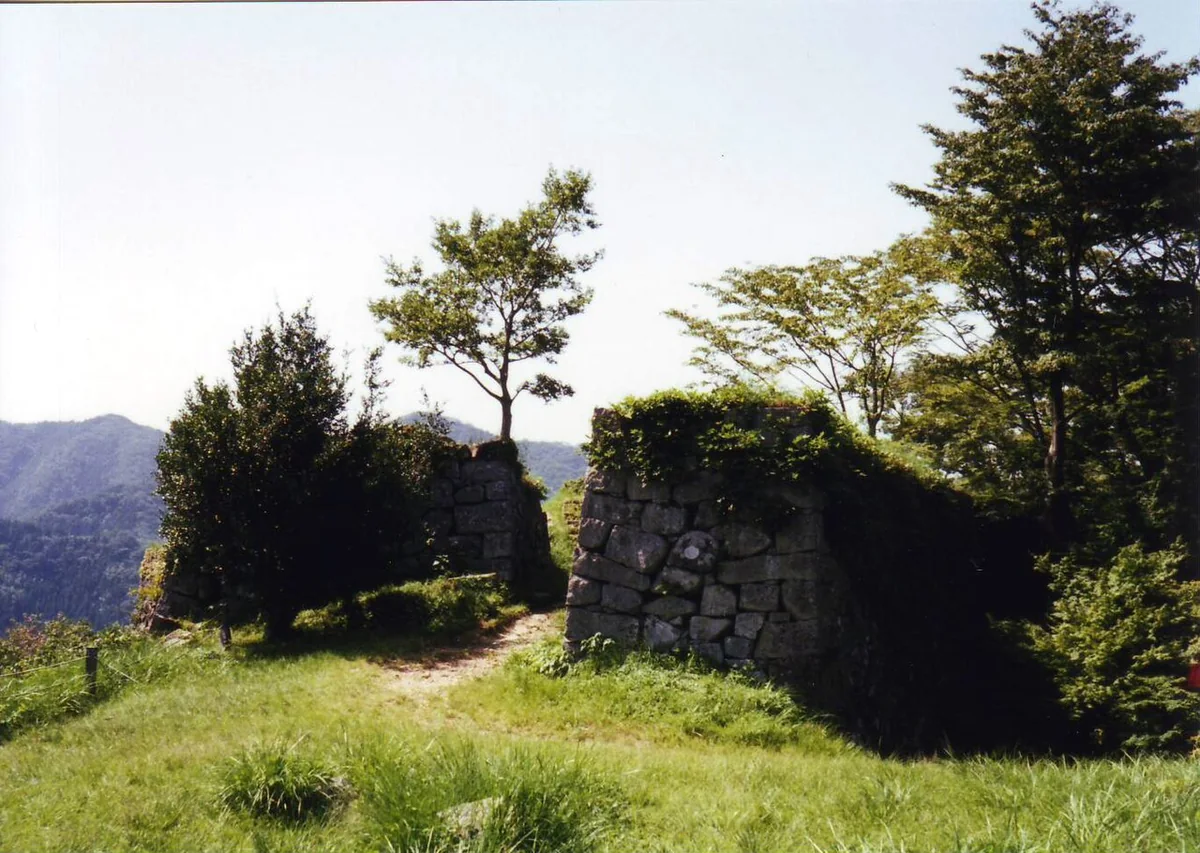
Stone-built enclosures follow the ridge from Sannomaru towards Honmaru. A ditch between Honmaru and Ninomaru interrupted movement along the ridge, a characteristic mountain-castle defence.
THROUGH THE YEARS
A short timeline
- Sengoku period
The Amago used the castle as their base in Izumo.
- 1608
The Horio shifted their centre of government to Matsue.
- 1615
The one-castle-per-domain policy ended the castle’s role.
BEFORE YOU GO
A note before you go.
The upper enclosures require a steep climb. Treat a walk to the residential terrace and a summit hike as different outings, choosing a route that suits your footwear, the weather and the time available for descent.
Information checked: 27 September 2026
Sources & official information
- Yasugi Tourism Association: Gassan Toda Castle ruins ↗
- Yasugi Tourism Association: contour map and historical guide ↗
Some official sources are available in Japanese only.