Get to know the castle
Castle at a glance
- Site & layout
- Mountain castle
- Origins
- Construction traditionally began in 1295; rebuilt as an early modern castle after 1601
- Builders & patrons
- Yoshimi family, Sakazaki Naomori and Kamei family
- Other names
- Sanbonmatsu Castle
- What remains today
- Hilltop stone walls, enclosures and ridge ditches; no surviving keep
THE STORY
The story behind the walls
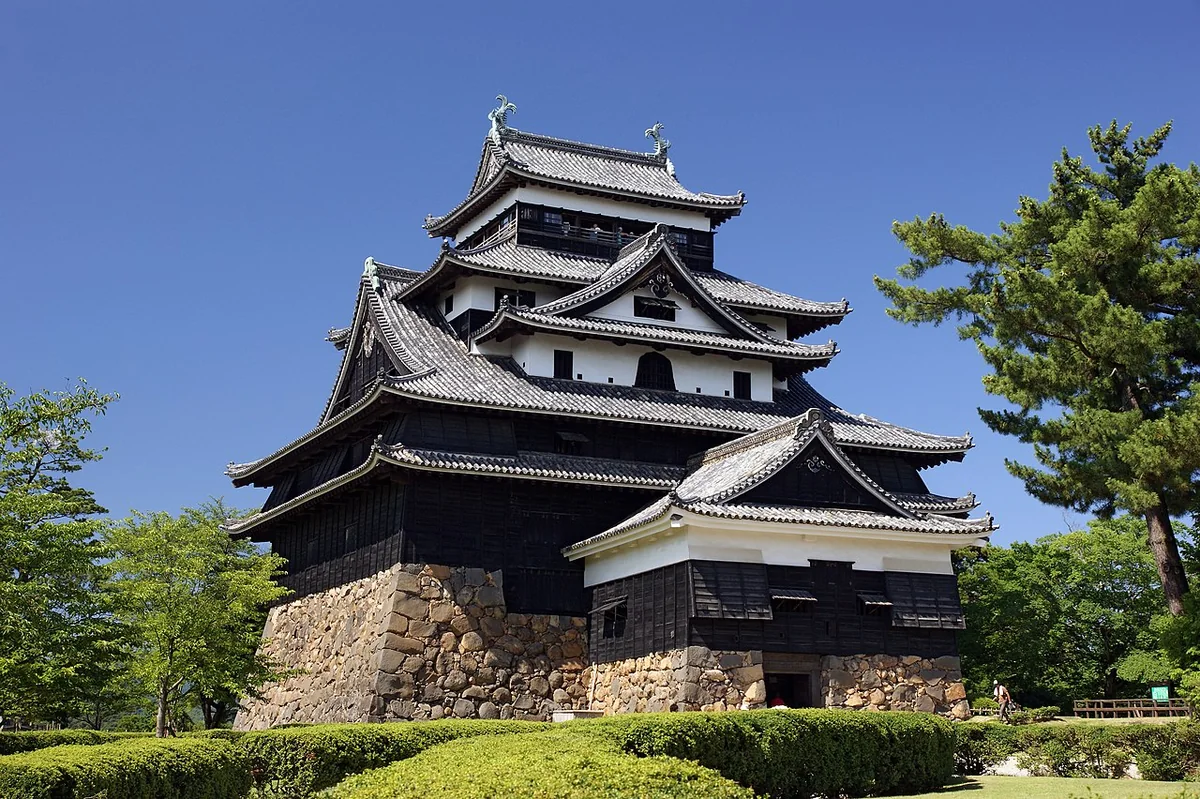
Yoshimi Yoriyuki is recorded as beginning the castle in 1295, with completion under his son Yorinao in 1324. Sakazaki Naomori, who became lord in 1601, rebuilt the medieval stronghold as an early modern stone castle. Kamei Masanori arrived in 1617, and his family governed until the Meiji era. Lightning destroyed the three-tiered keep in 1686, and it was never rebuilt. The open enclosures and surviving stonework now preserve the legacy of those successive alterations.
LAYOUT & ARCHITECTURE
Read the landscape and the buildings.
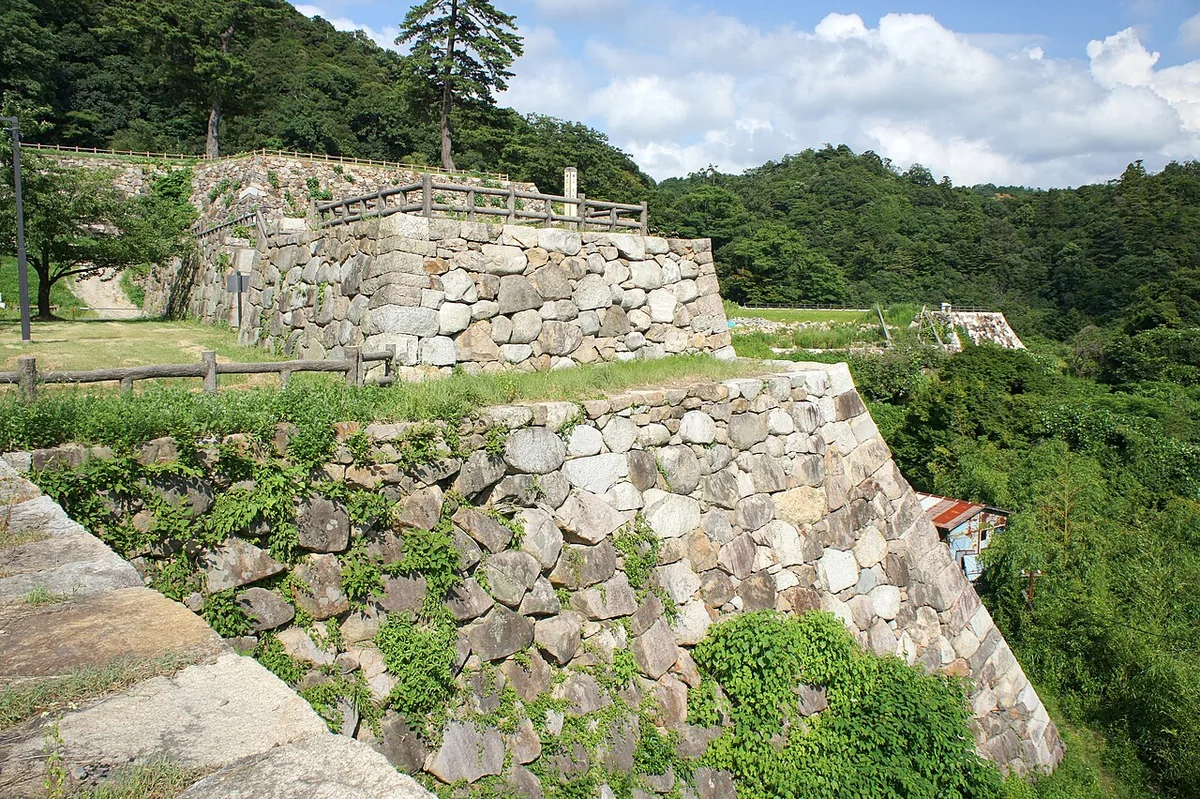
The castle occupies 362-metre Mount Reiki, with a main compound and a separate northern outer enclosure. Its principal terraces follow the mountain’s projecting ridges and are supported by tall stone walls. The town below and the surrounding river help explain both the defensive and administrative value of the site.
A CLOSER LOOK
Details worth a closer look.
Stone walls above the town
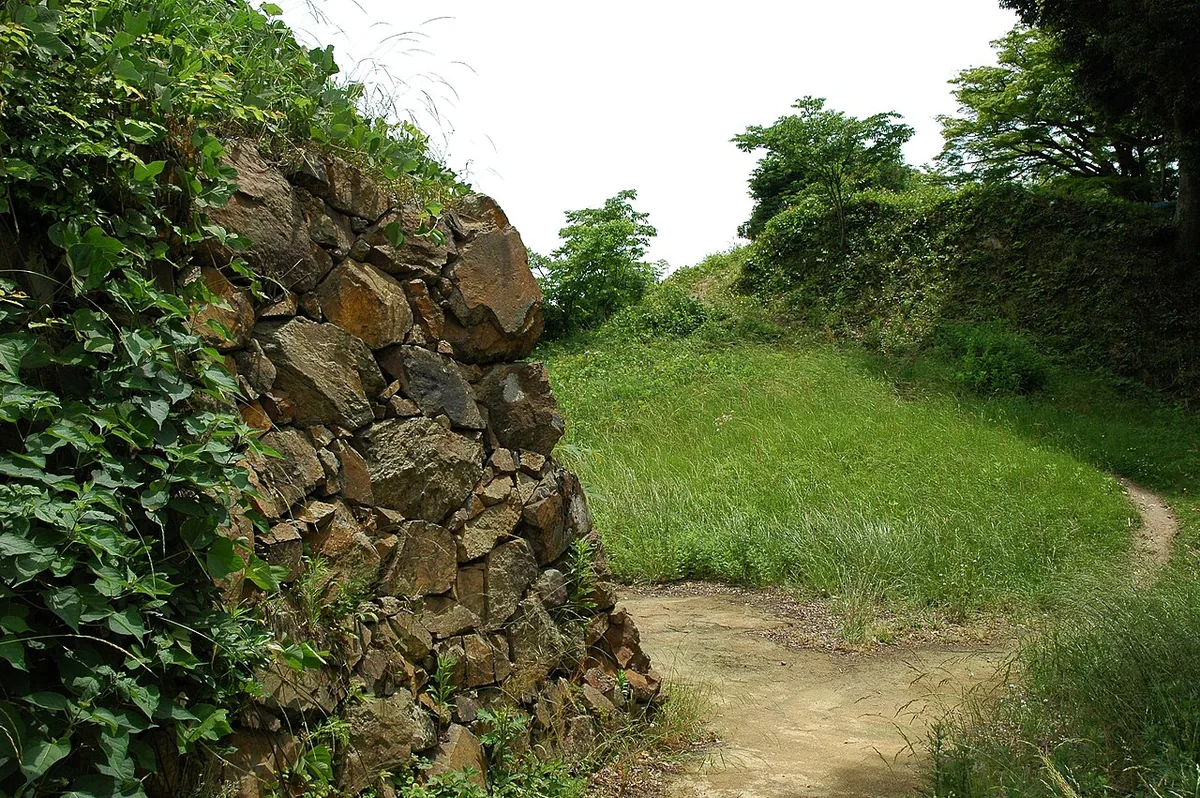
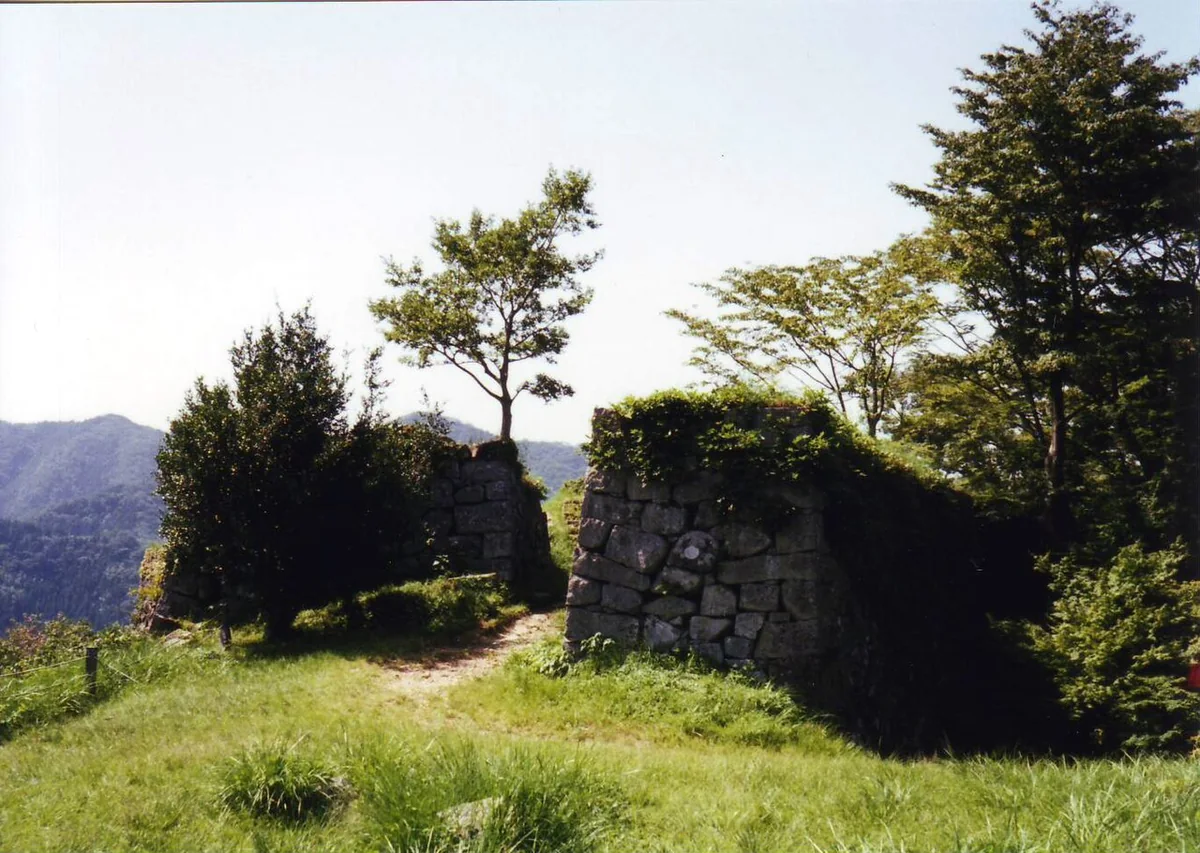
Tall stone walls support the enclosures around the main compound. Although the keep is gone, the scale of the walls conveys the extent of the buildings that once occupied the summit.
The separate outer enclosure
An outer enclosure north of the main compound is also known as Oribemaru. Comparing it with the central defences shows how Sakazaki’s rebuilding distributed the strongpoints across the mountain.
The town and its river setting
The hilltop makes the relationship between the castle, river and town easier to understand. Beyond the townscape, look at how the river winds around the castle mountain.
THROUGH THE YEARS
A short timeline
- 1295
Yoshimi Yoriyuki is said to have begun construction.
- 1601
Sakazaki Naomori became lord and developed the early modern castle.
- 1686
Lightning destroyed the keep, which was never rebuilt.
BEFORE YOU GO
A note before you go.
Even when using the sightseeing lift, exploring the hilltop requires walking. Lift closures, weather suspensions and trail restrictions are announced separately, so check the information for your chosen route.
Information checked: 27 September 2026
Sources & official information
- Tsuwano Tourism Association: castle ruins and sightseeing lift ↗
- Shimane Tourism Federation: Tsuwano heritage ↗
- Shimane Tourism Federation: Tsuwano Castle lift ↗
Some official sources are available in Japanese only.