Get to know the castle
Castle at a glance
- Site & layout
- Flatland castle
- Origins
- Begun in 1585; major rebuilding from 1607
- Builders & patrons
- Tokugawa Ieyasu
- Other names
- Sunpu Castle ruins; Sunpu Castle Park
- What remains today
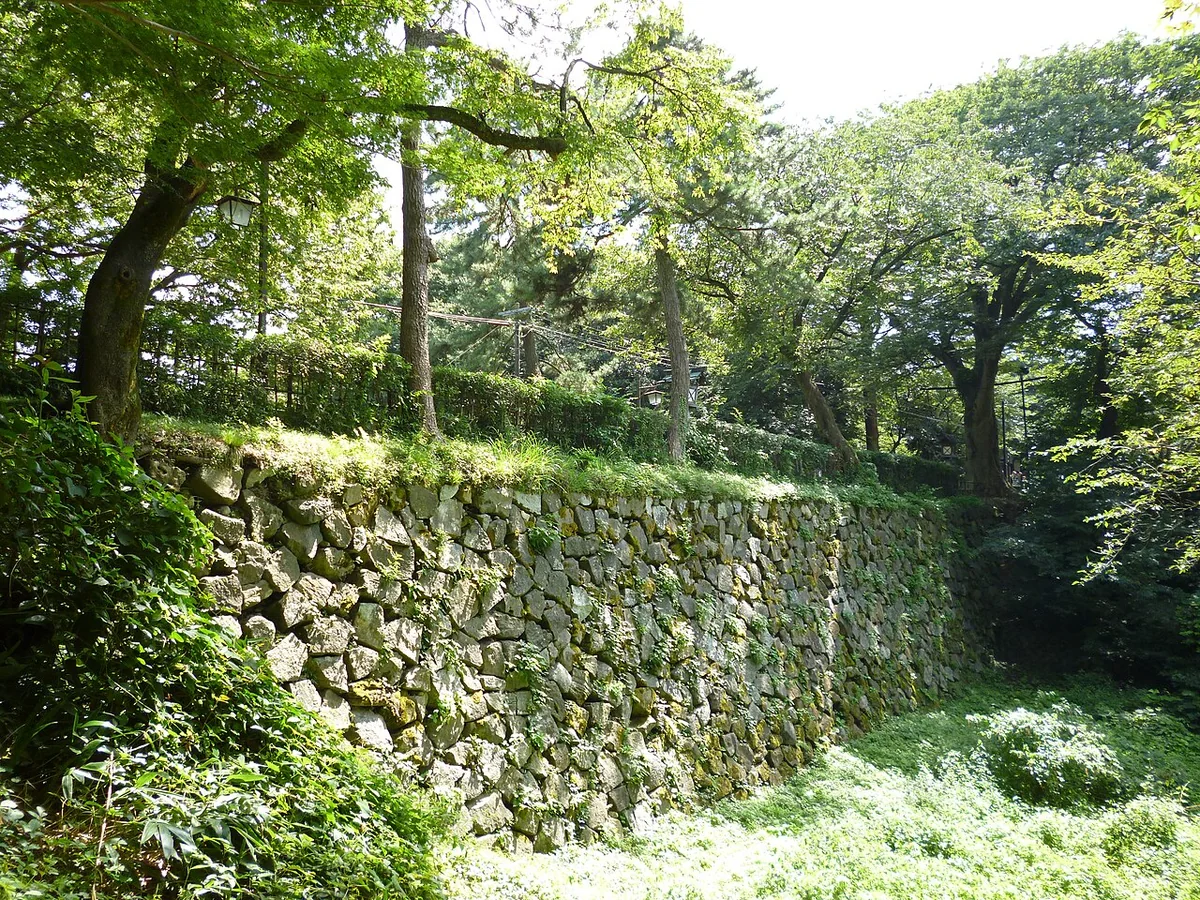
- Moats, walls and gate sites; reconstructed gates and turrets
THE STORY
The story behind the walls
Ieyasu began building Sunpu Castle in 1585. Nakamura Kazuuji became lord after Ieyasu moved to the Kanto region in 1590. Ieyasu returned in 1607 as retired shogun and organised major rebuilding with labour and materials from daimyo across Japan. Today the site is understood through remains and reconstructed facilities rather than a standing keep.
LAYOUT & ARCHITECTURE
Read the landscape and the buildings.
Moats enclosed this lowland castle, while gates and walls divided its precincts. Bridges and enclosed gate courts controlled entry. Tracing the gate sites reveals successive layers of access to the inner grounds.
A CLOSER LOOK
Details worth a closer look.
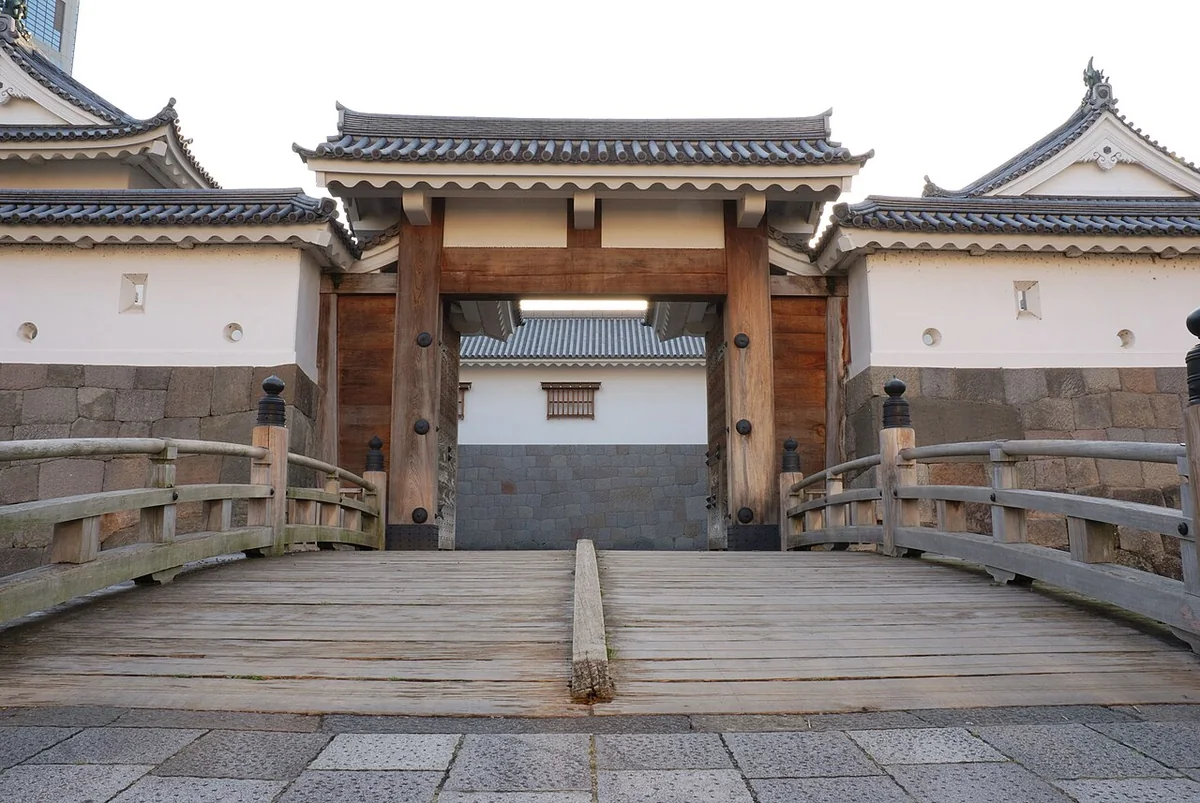
East gate and Tatsumi turret
Reconstructed buildings explain how a castle entrance worked. They can be compared with the historic moats and walls around them.
Turning entrances
Several gate sites required a turn after crossing a bridge. The plan shows how the builders prevented a direct approach into the inner grounds.
A castle within the city
Markers outside the park identify former gates and moats. They make the overlap between the old castle and the modern city part of the visit.
THROUGH THE YEARS
A short timeline
- 1585
Ieyasu began construction.
- 1590
Ieyasu moved to Kanto and Nakamura Kazuuji became lord.
- 1607
Ieyasu returned as retired shogun and undertook major rebuilding.
BEFORE YOU GO
A note before you go.
Park access and individual facilities have different opening arrangements. A site map is useful for finding remains across a castle that has no standing keep.
Information checked: 27 September 2026
Sources & official information
Some official sources are available in Japanese only.