Get to know the castle
Castle at a glance
- Site & layout
- Mountain castle with earthen defences
- Origins
- Second half of the 16th century
- Builders & patrons
- The Later Hojo family
- Other names
- Yamanaka Castle ruins
- What remains today
- Enclosures, banks, grid-patterned and ridged ditches
THE STORY
The story behind the walls
The Later Hojo developed Yamanaka in the second half of the 16th century. It controlled the route across Hakone and helped defend Odawara. The castle fell to Toyotomi forces in 1590. Excavation and conservation have since made its distinctive ditch systems visible to visitors.
LAYOUT & ARCHITECTURE
Read the landscape and the buildings.
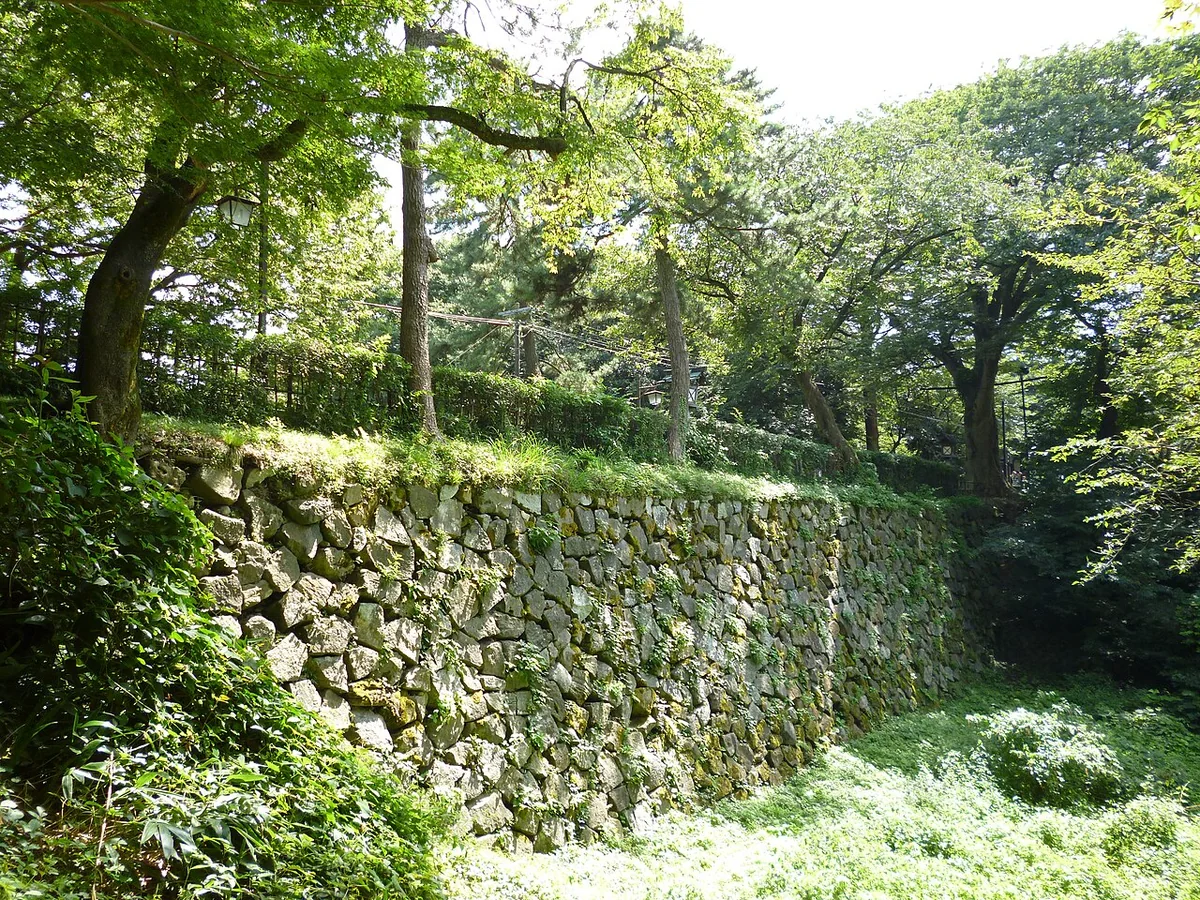
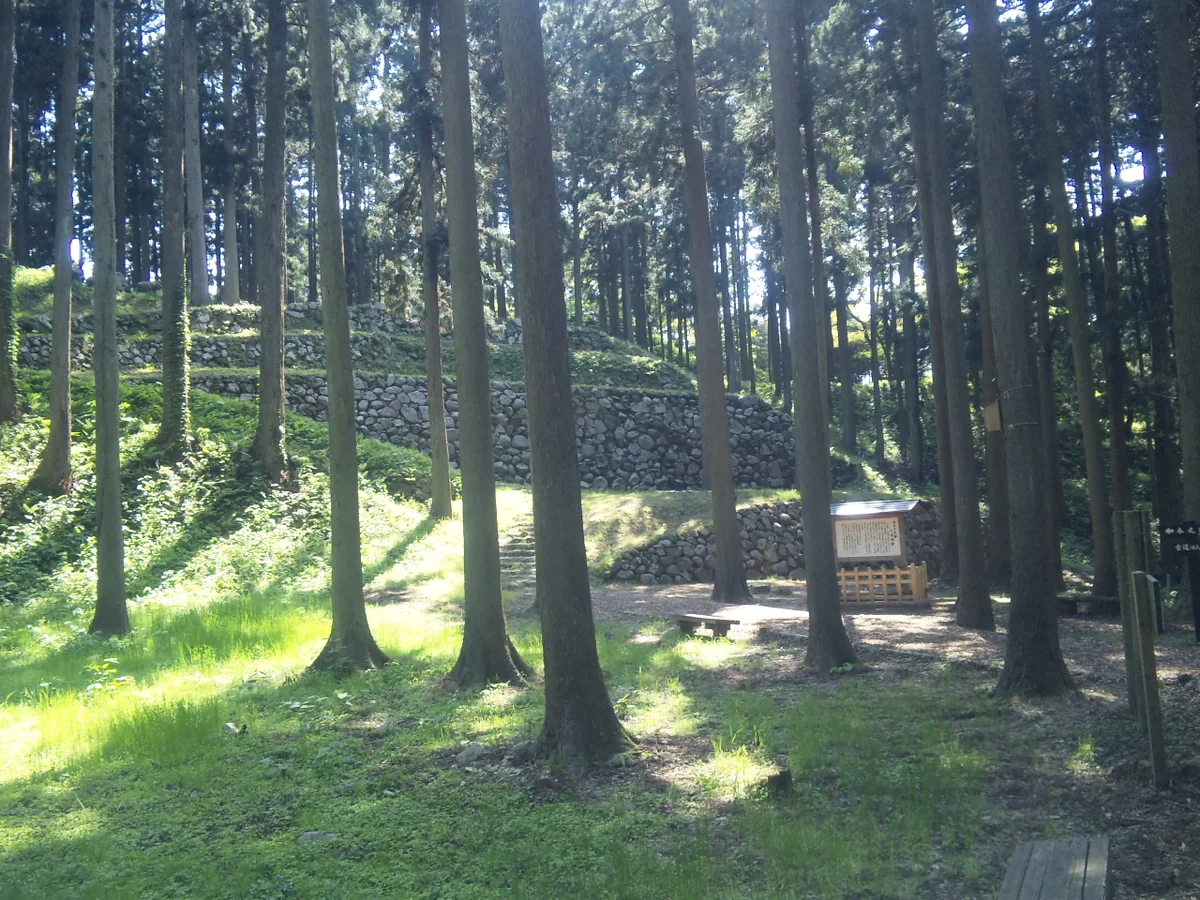
Enclosures follow the ridges and are protected by embankments and dry ditches. Ridges left inside the ditches restricted movement and footing. The maintained grass surfaces today should be distinguished from the depth and profile revealed by excavation.
A CLOSER LOOK
Details worth a closer look.
Grid-patterned ditches
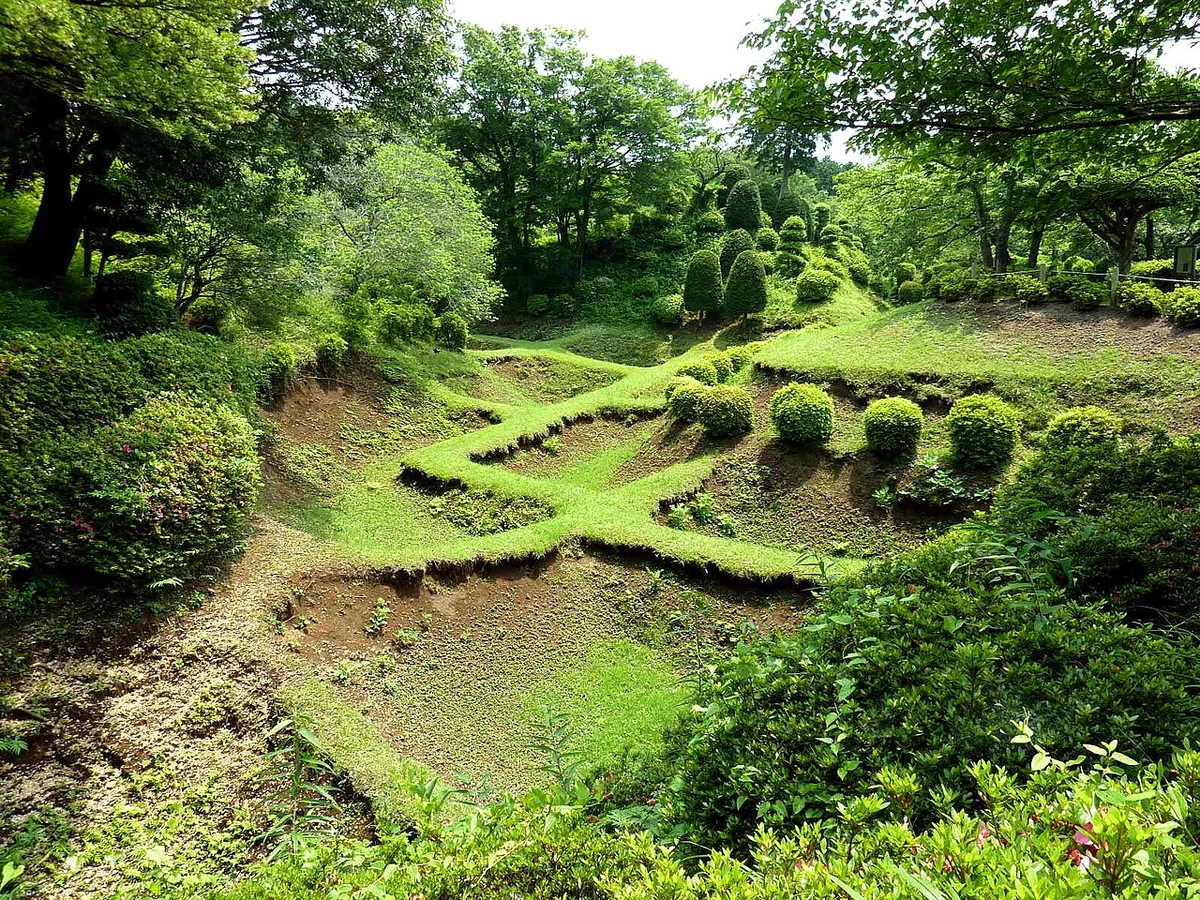
Earthen ridges divide these ditches into compartments. From above, their grid pattern makes it easier to imagine the difficulty of crossing them.
Ridged ditches
Ridges within the ditches interrupted an attacker’s movement. They are defensive devices as well as striking shapes in the landscape.
Defending the Hakone route
The castle protected the western approaches to Odawara. Its position beside the mountain route explains why this location mattered.
THROUGH THE YEARS
A short timeline
- Late 16th century
The Later Hojo developed the stronghold to defend the Hakone approaches.
- 1590
The castle fell to Toyotomi forces.
- Modern period
Excavation and conservation exposed the ditch systems.
BEFORE YOU GO
A note before you go.
View the protected ditches and banks from the paths. Earthen and grassy surfaces can be slippery after rain.
Information checked: 27 September 2026
Sources & official information
- Mishima City: Yamanaka Castle ruins ↗
- Mishima Local Museum: The grid ditches ↗
- Mishima City: Conservation of Yamanaka Castle ↗
Some official sources are available in Japanese only.