Get to know the castle
Castle at a glance
- Site & layout
- Hilltop castle
- Origins
- Mid-15th-century origin; present keep 1959
- Builders & patrons
- The Saigo and Matsudaira families, Tanaka Yoshimasa and others
- Other names
- Tatsukijo; Tatsugajo
- What remains today
- Moats and stone walls; reconstructed keep
THE STORY
The story behind the walls
The castle originated with a 15th-century stronghold of the Saigo family. It developed as a Matsudaira base and became Ieyasu’s birthplace in 1542. It remained important after his move to Hamamatsu, and its town flourished along the Tokaido during the Edo period. Most buildings were removed early in the Meiji era; civic support led to reconstruction of the keep in 1959.
LAYOUT & ARCHITECTURE
Read the landscape and the buildings.
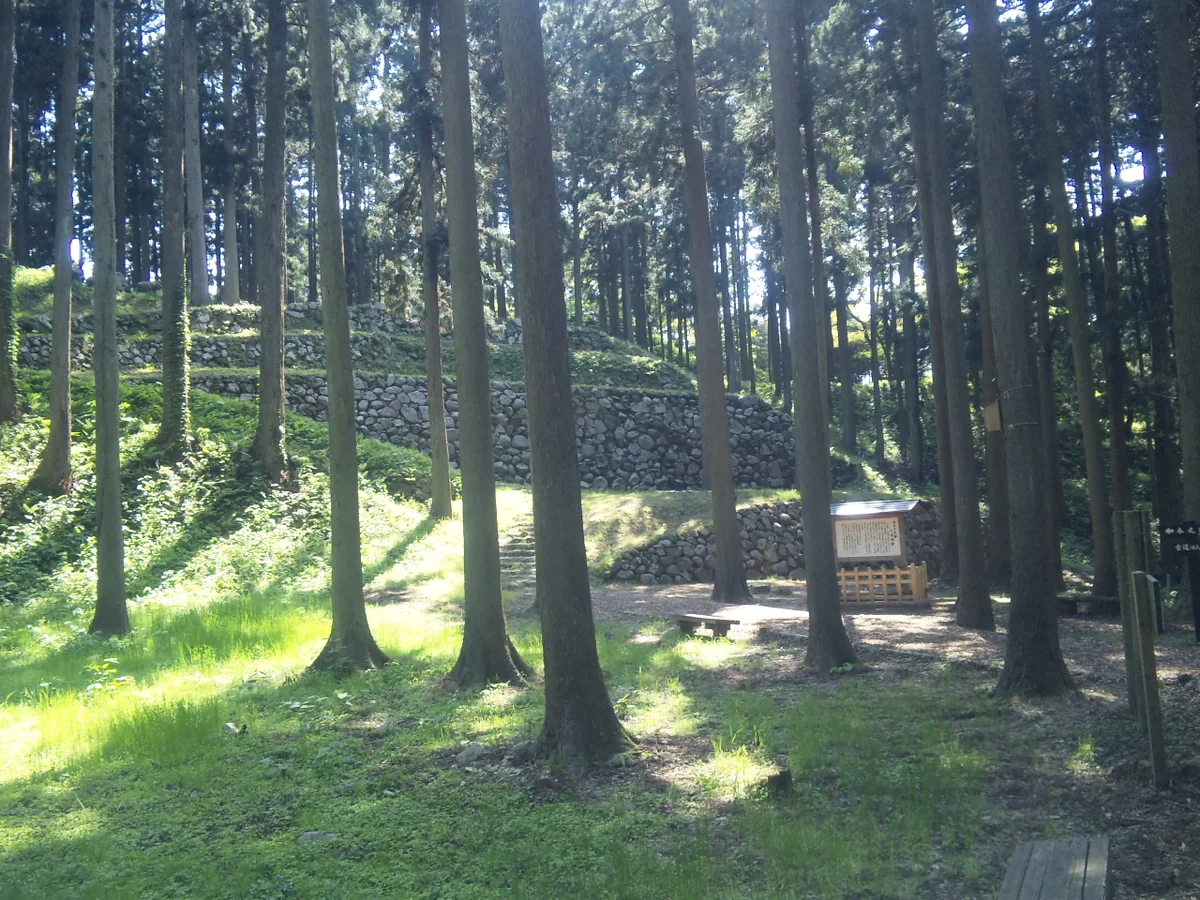
This hilltop castle divided its enclosures with moats. Outworks also protected entrances during the Warring States period. Comparing the modern park with the earlier layout reveals defences beyond the keep itself.
A CLOSER LOOK
Details worth a closer look.
Ieyasu’s birthplace
Ieyasu was born here in 1542. The site and its interpretation trace the Matsudaira and Tokugawa before the establishment of the Edo shogunate.
The reconstructed keep
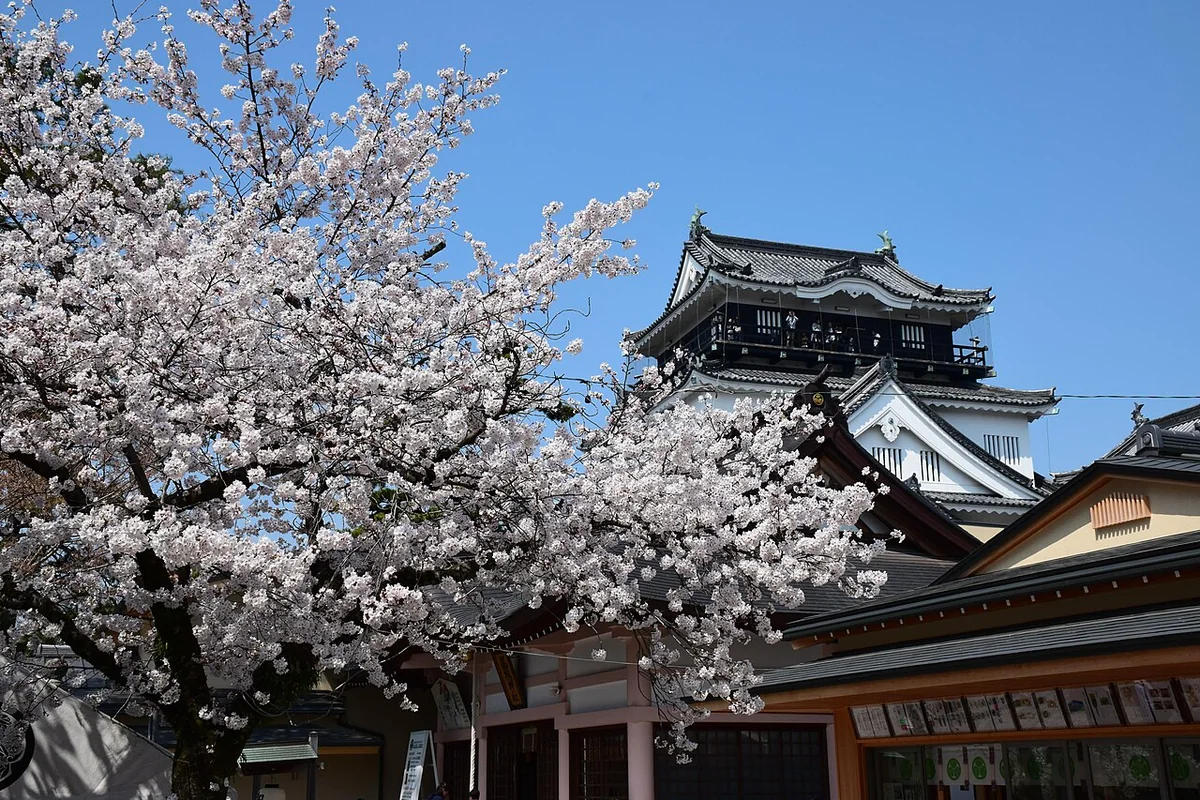
The present three-tier, five-floor keep dates to 1959. It recalls the historic exterior but is not the building Ieyasu knew.
Moats and enclosures
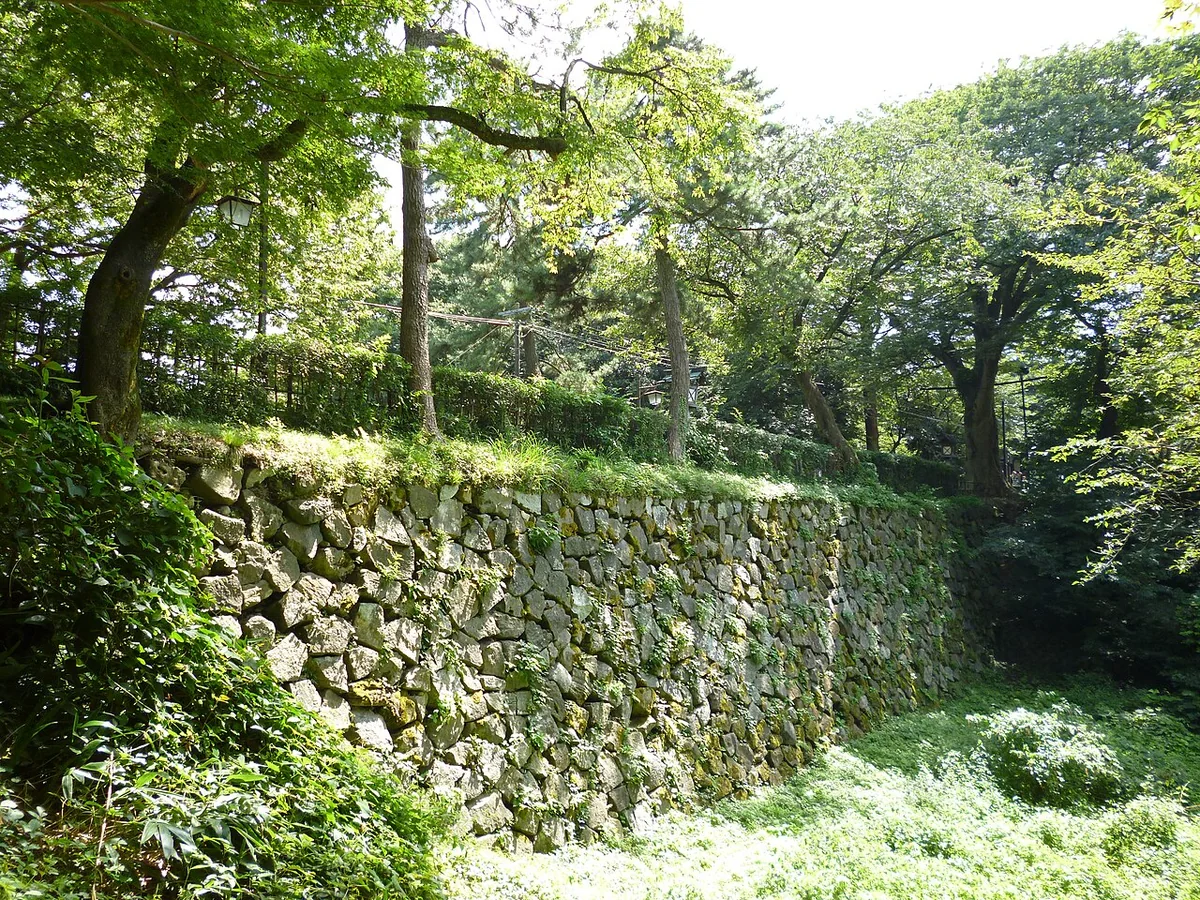
Outside the keep, moats and walls mark former precincts. Entrances and approaches help explain how the centre was protected.
THROUGH THE YEARS
A short timeline
- 1542
Tokugawa Ieyasu was born at the castle.
- 1873–1874
Most castle buildings were dismantled.
- 1959
The keep’s exterior was reconstructed.
BEFORE YOU GO
A note before you go.
Combine the keep with a walk around the park’s historic remains. Individual facilities have their own opening arrangements on the official visitor website.
Information checked: 27 September 2026
Sources & official information
- Okazaki Tourism Association: Castle history ↗
- Okazaki Tourism Association: Warring States castle remains ↗
Some official sources are available in Japanese only.