Get to know the castle
Castle at a glance
- Site & layout
- Flatland castle
- Origins
- Early Edo period; original keep 1612, present keep 1959
- Builders & patrons
- Built by daimyo under Tokugawa Ieyasu’s orders
- Other names
- Kinshachijo; Kinjo and other names
- What remains today
- Historic turrets, gates and walls; rebuilt keep and reconstructed palace
THE STORY
The story behind the walls
Tokugawa Ieyasu ordered Nagoya Castle as part of the shogunate’s western defences. The keep was completed in 1612 and the castle became the seat of the Owari Tokugawa. Air raids destroyed the keep in 1945; the present structure dates to 1959. More recently the Honmaru Palace was reconstructed, while the keep interior remains closed because of age and seismic safety concerns.
LAYOUT & ARCHITECTURE
Read the landscape and the buildings.
Moats and walls divide a broad lowland site into inner and outer precincts. The paired keeps and large stone platform mark its centre. Palace rooms, turrets and gates reveal the separate spaces of residence, government and defence.
A CLOSER LOOK
Details worth a closer look.
The keep from outside
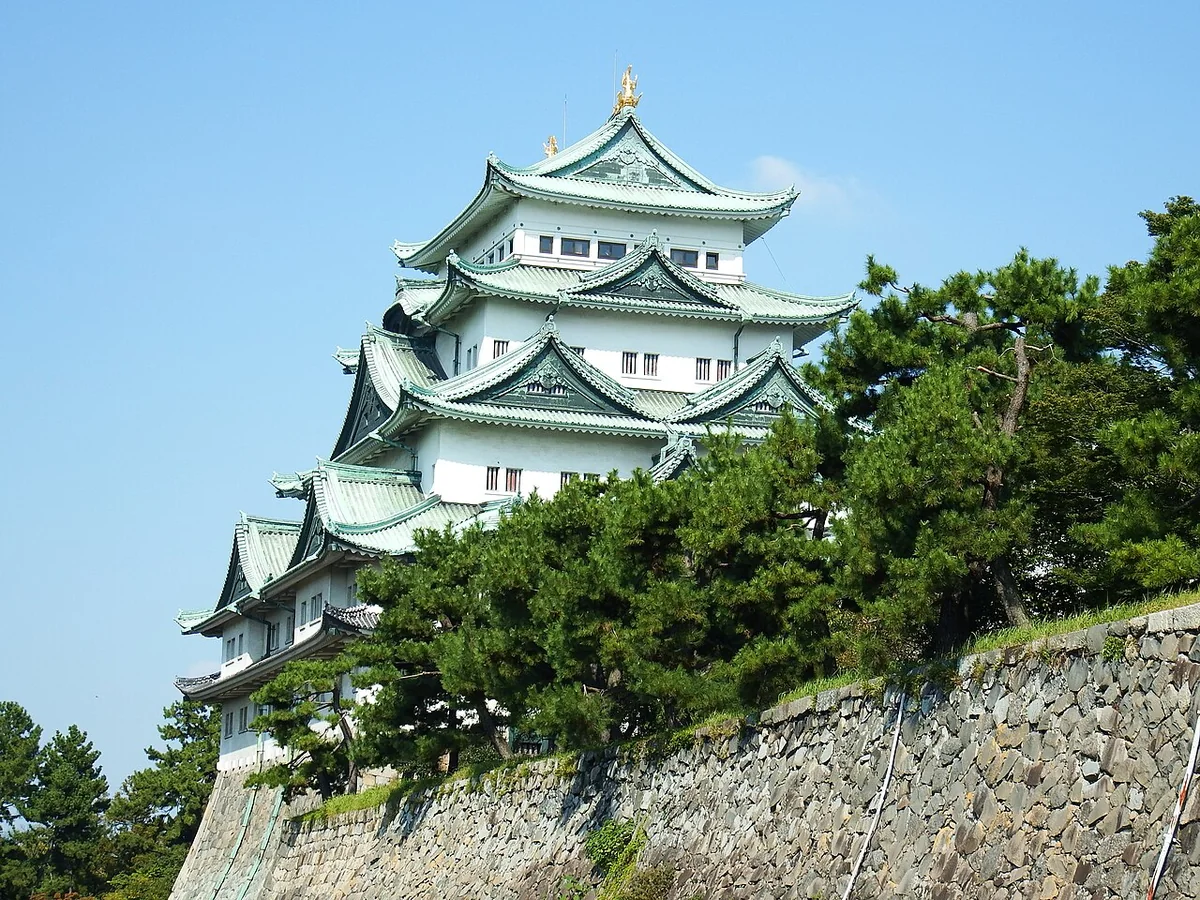
The present keep was reconstructed in 1959. Its interior is closed as of September 2026, so visitors view the tower and its stone base from outside.
Honmaru Palace
Reconstructed rooms and decoration explain the lord’s formal surroundings. The palace represents ceremony and hospitality, a different role from the keep.
Turrets and stone walls
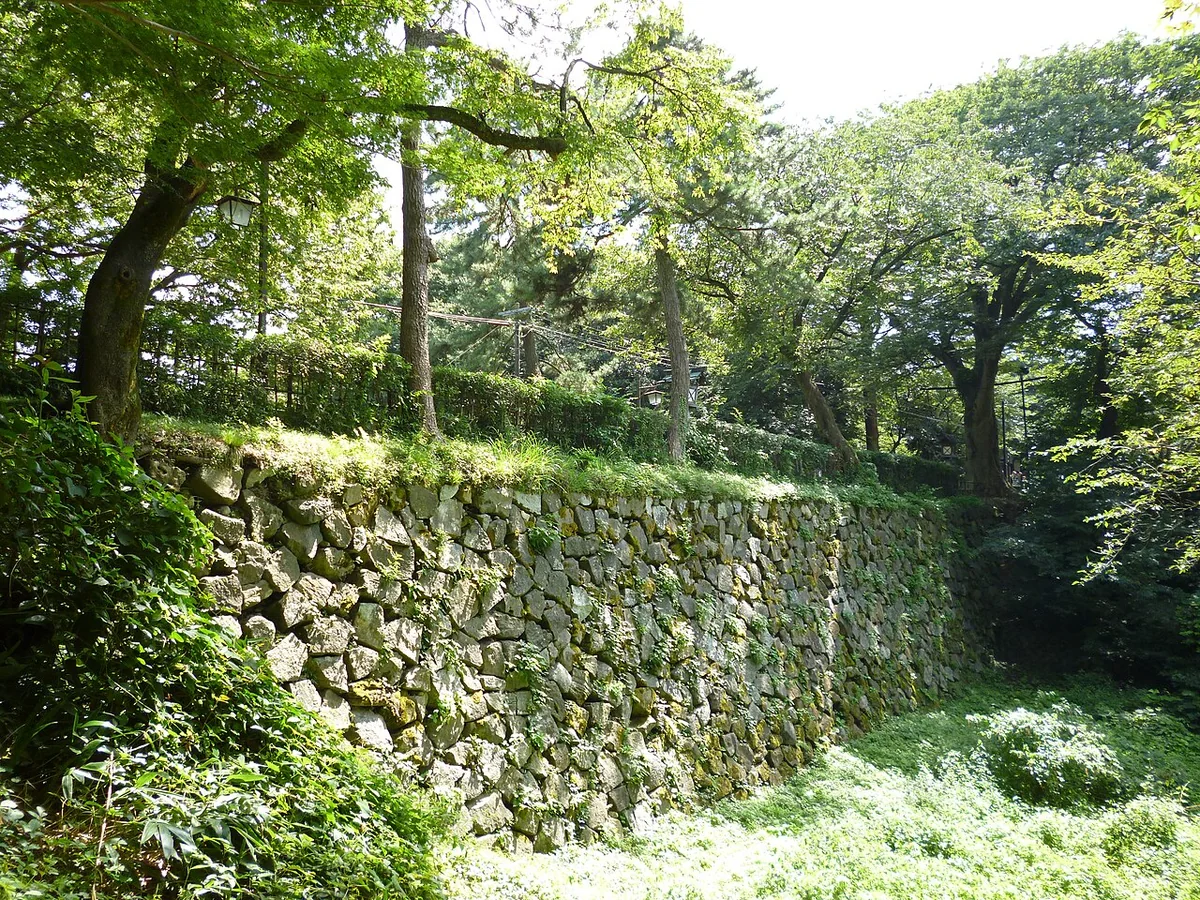
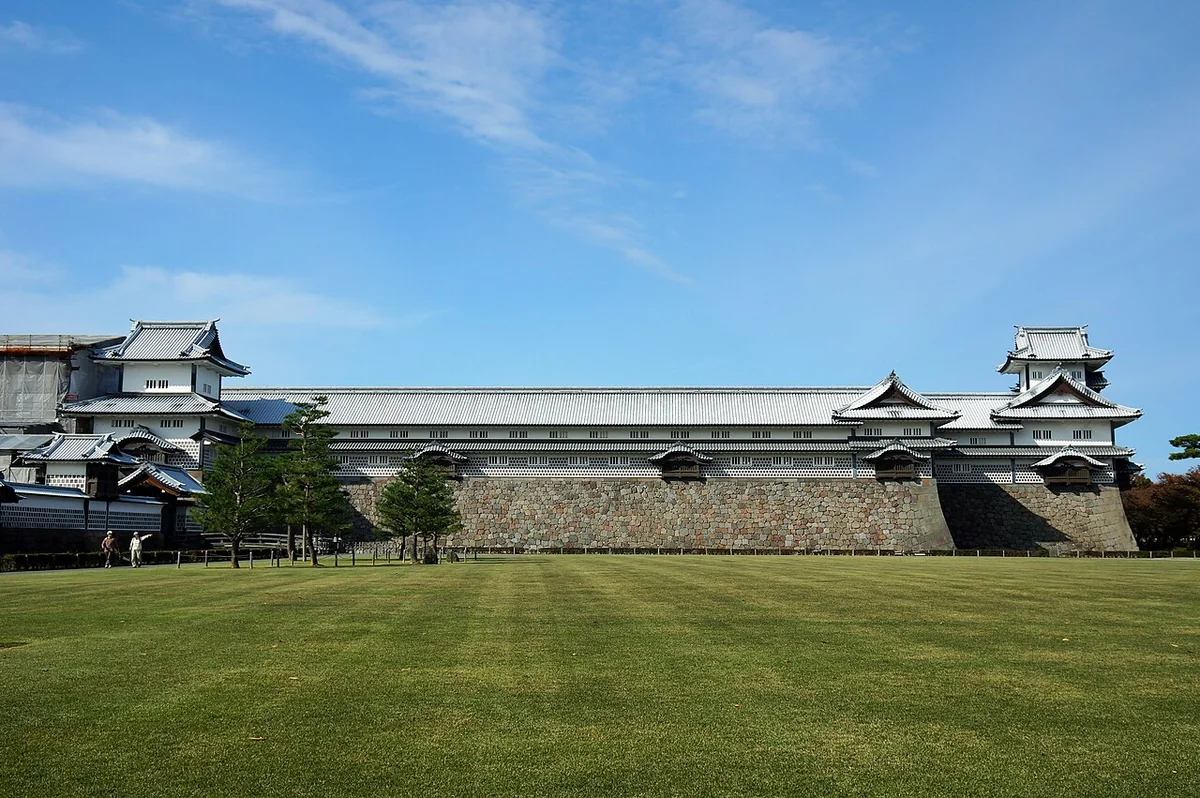
Historic turrets, gates and stone walls also survive. They show why the castle should not be treated as one uniformly modern reconstruction.
THROUGH THE YEARS
A short timeline
- 1612
The original keep was completed.
- 1945
Air raids destroyed the keep and other buildings.
- 1959
The present keep was reconstructed.
BEFORE YOU GO
A note before you go.
The keep interior is closed as of September 2026. Check the separate visiting information for Honmaru Palace and other areas you wish to see.
Information checked: 27 September 2026
Sources & official information
- Nagoya Castle: Keep closure and history ↗
- Nagoya Castle official website ↗
- Japan Castle Foundation: 100 Great Castles list ↗
Some official sources are available in Japanese only.