Get to know the castle
Castle at a glance
- Site & layout
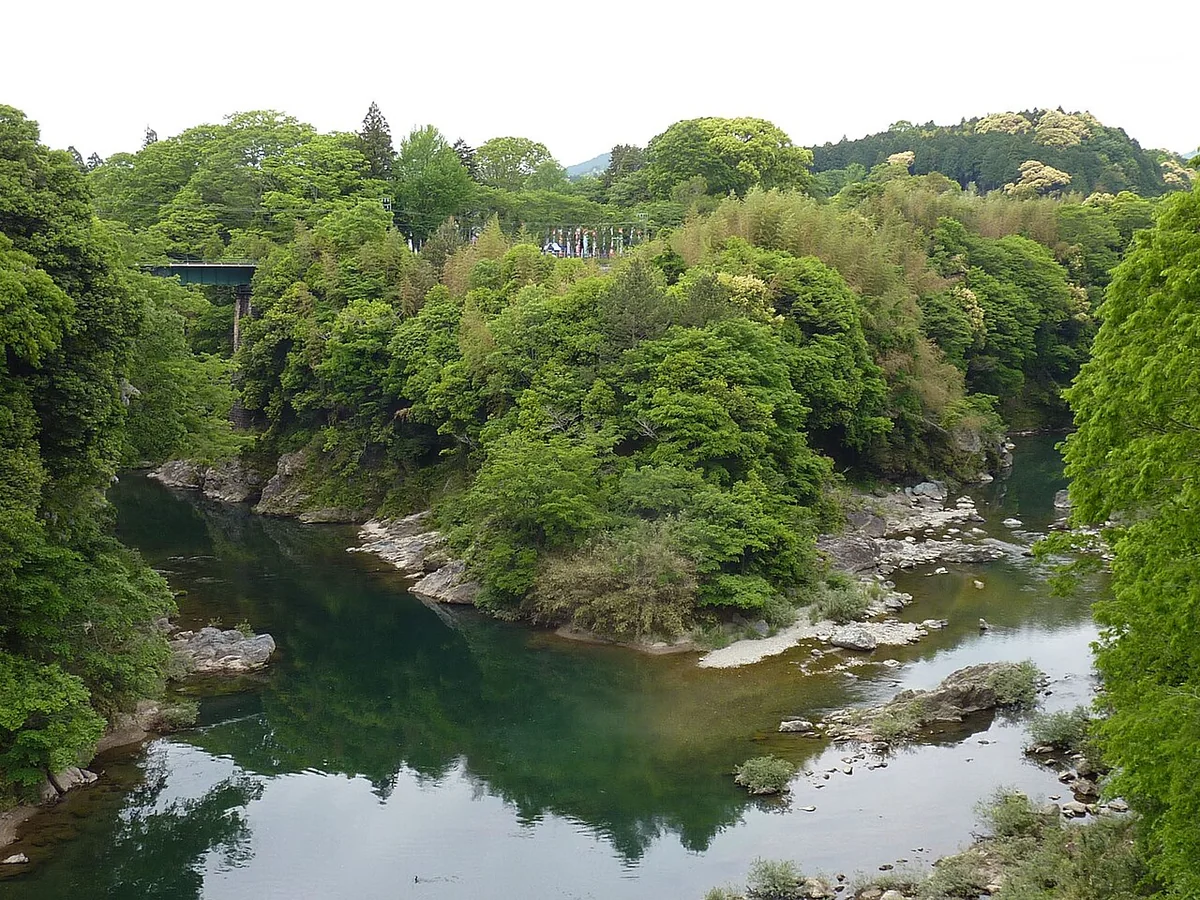
- Lowland castle using a river confluence
- Origins
- 1508
- Builders & patrons
- Suganuma Motonari
- Other names
- Nagashino Castle ruins
- What remains today
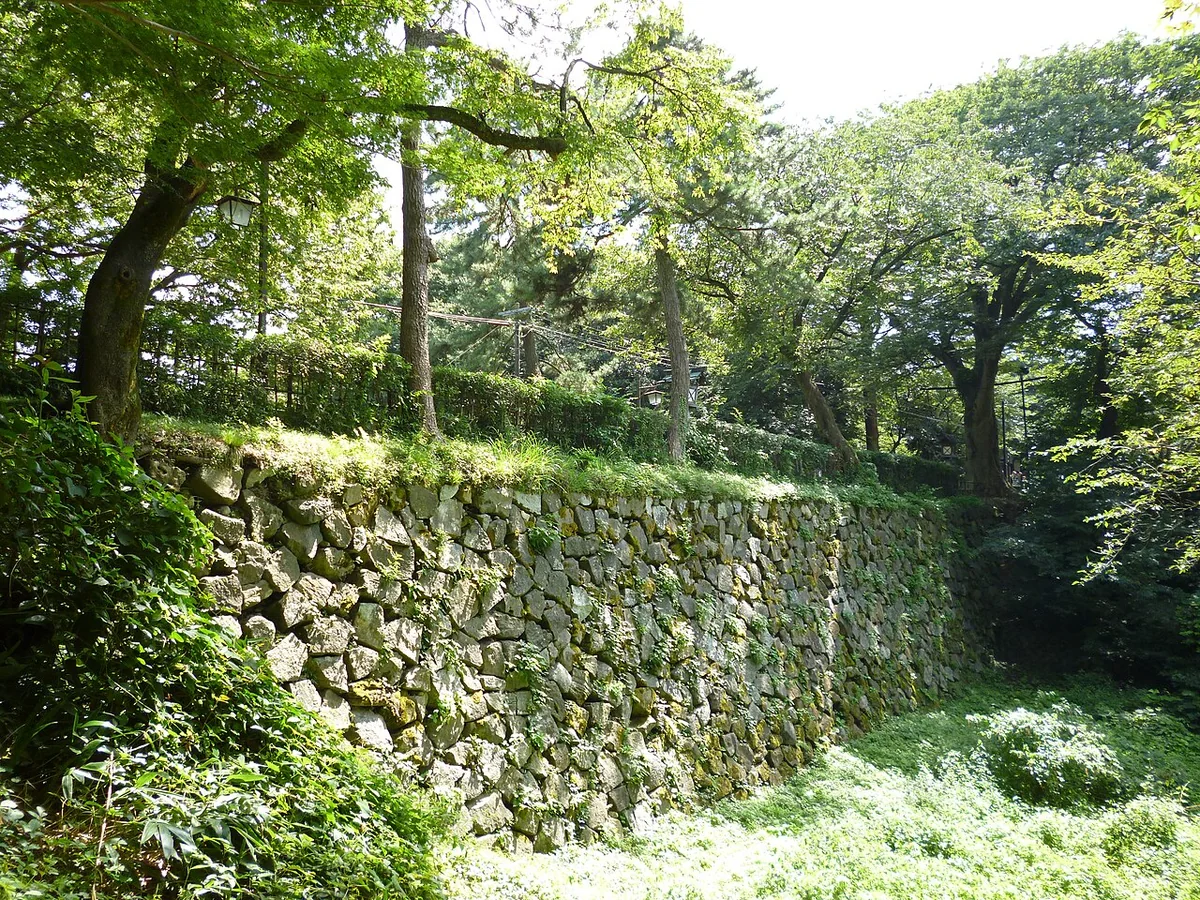
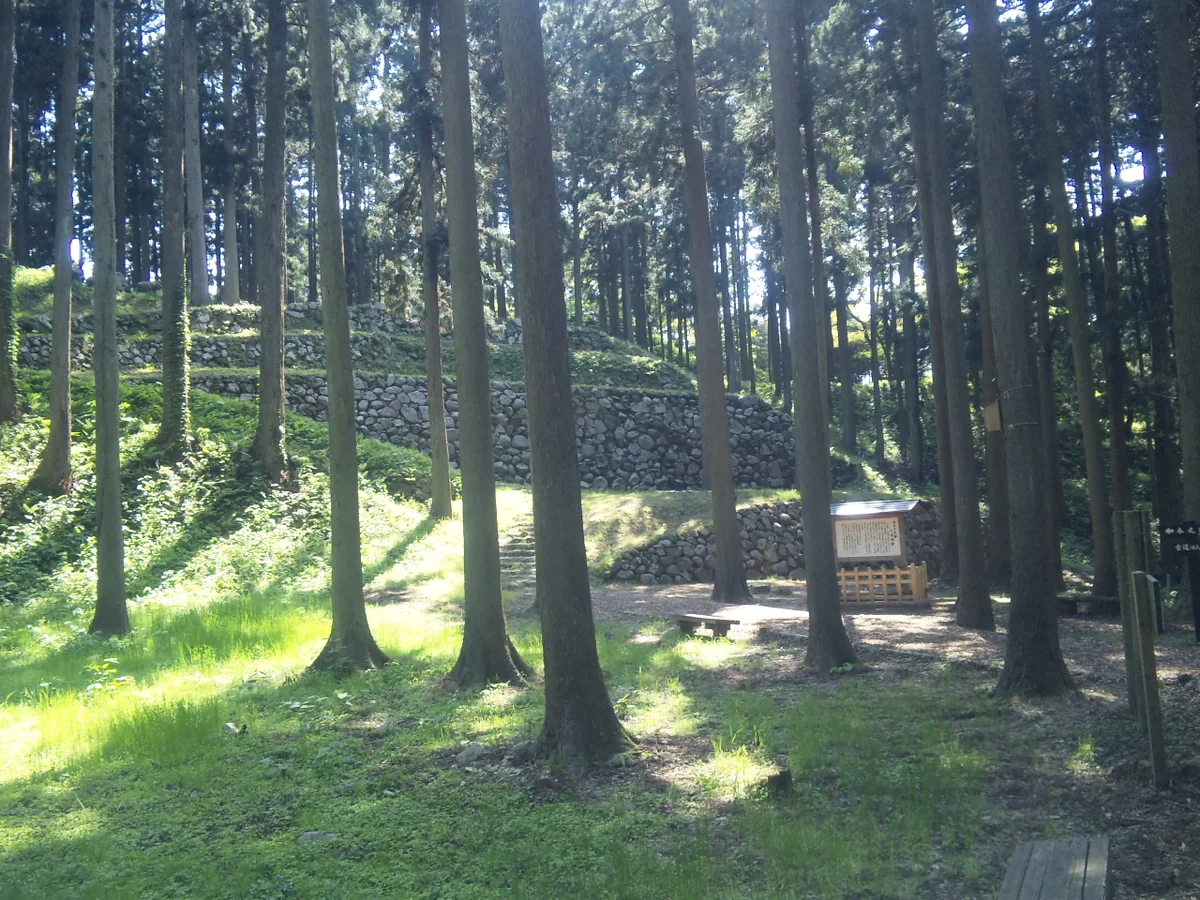
- Enclosures, banks and part of the inner moat
THE STORY
The story behind the walls
Suganuma Motonari built Nagashino Castle in 1508. At a meeting point of Imagawa, Tokugawa and Takeda interests, it changed allegiance several times. In 1575 Takeda Katsuyori’s forces besieged the garrison led by Okudaira Sadamasa. It is closely linked to the Oda–Tokugawa relief army’s victory at nearby Shitaragahara.
LAYOUT & ARCHITECTURE
Read the landscape and the buildings.
Enclosures occupied ground protected by converging rivers and cliffs, with banks and a moat strengthening the east. Its defence depended on water, slopes and earthworks rather than a large keep or monumental stone walls.
A CLOSER LOOK
Details worth a closer look.
Rivers protecting the rear
The Toyokawa and Ure rivers meet behind the castle. A map makes the use of their bends and cliffs especially clear.
Banks and inner moat
No castle buildings survive, but parts of the banks and inner moat remain. They strengthened the side that could not rely on the rivers alone.
Understanding the siege
The site and local museum explain the defence led by Okudaira Sadamasa. The siege here should be distinguished from the relief army’s battle at Shitaragahara.
THROUGH THE YEARS
A short timeline
- 1508
Suganuma Motonari founded the castle.
- 1573
Tokugawa Ieyasu retook the castle.
- 1575
Takeda forces besieged the castle; the relief battle took place at Shitaragahara.
BEFORE YOU GO
A note before you go.
The castle and Shitaragahara battlefield are separate places. Allow travel time between them and view the rivers and cliffs from safe visitor areas.
Information checked: 27 September 2026
Sources & official information
Some official sources are available in Japanese only.