Get to know the castle
Castle at a glance
- Site & layout
- Mountain castle using the Nishiki River as an outer moat
- Origins
- Completed 1608; present keep reconstructed 1962
- Builders & patrons
- Kikkawa Hiroie
- Other names
- —
- What remains today
- Original keep platform and walls; modern keep stands elsewhere
THE STORY
The story behind the walls
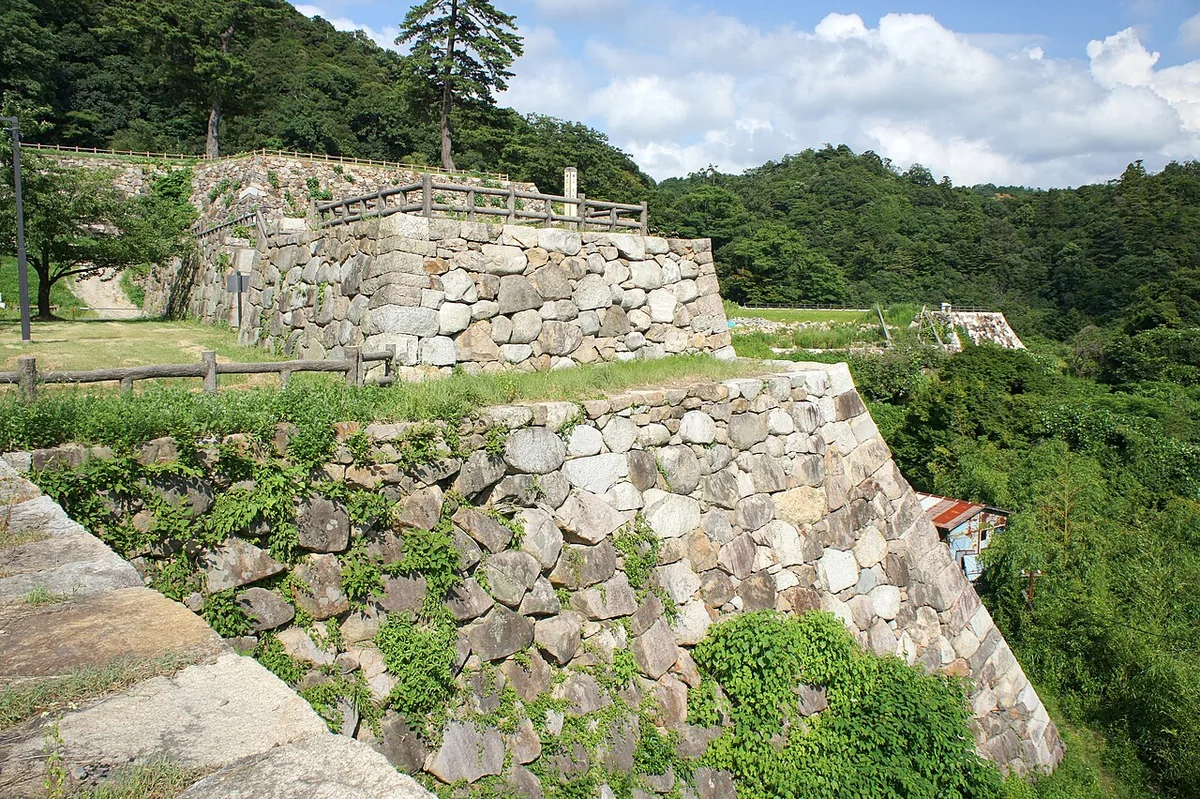
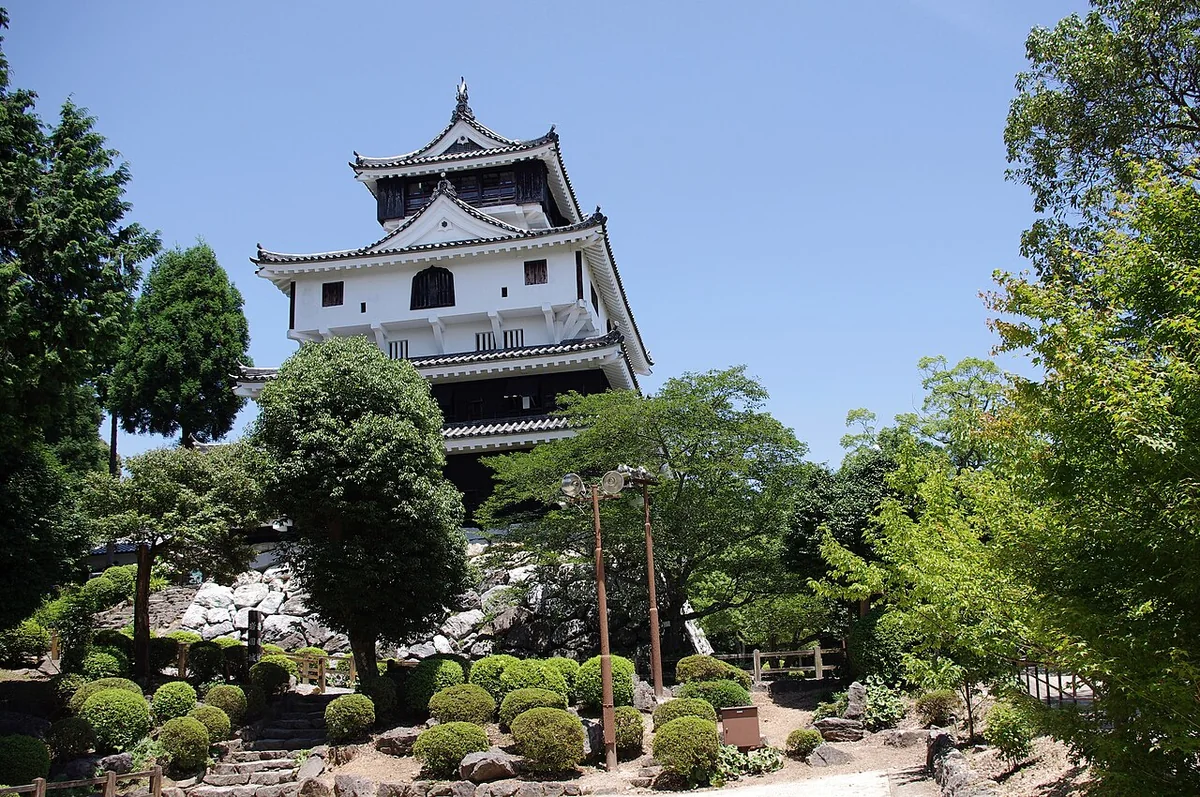
Kikkawa Hiroie completed the hilltop castle in 1608. It was dismantled in 1615 under the one-castle-per-province policy. Remains including the keep platform survived on the mountain. In 1962 a new keep was built about 50 metres from that platform. It now presents historical displays and views of the castle town.
LAYOUT & ARCHITECTURE
Read the landscape and the buildings.
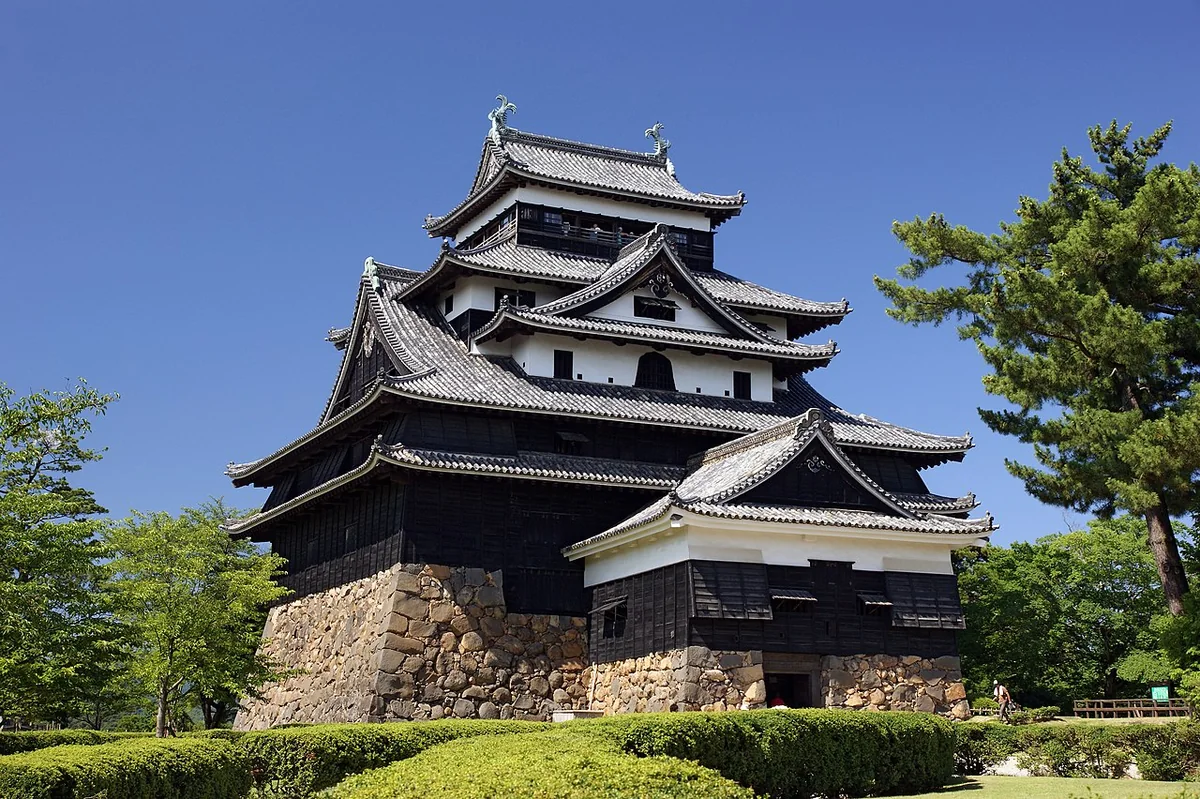
The castle uses a ridge about 200 metres above sea level and the Nishiki River below as an outer moat. Its keep is known for projecting upper levels, a form described as nanban-zukuri. The current tower and original platform occupy different positions, allowing visitors to distinguish reconstruction from archaeological remains.
A CLOSER LOOK
Details worth a closer look.
Hilltop keep
The keep reconstructed in 1962 overlooks the town and Seto Inland Sea. The projecting upper levels are a distinctive feature of its appearance.
Original keep platform
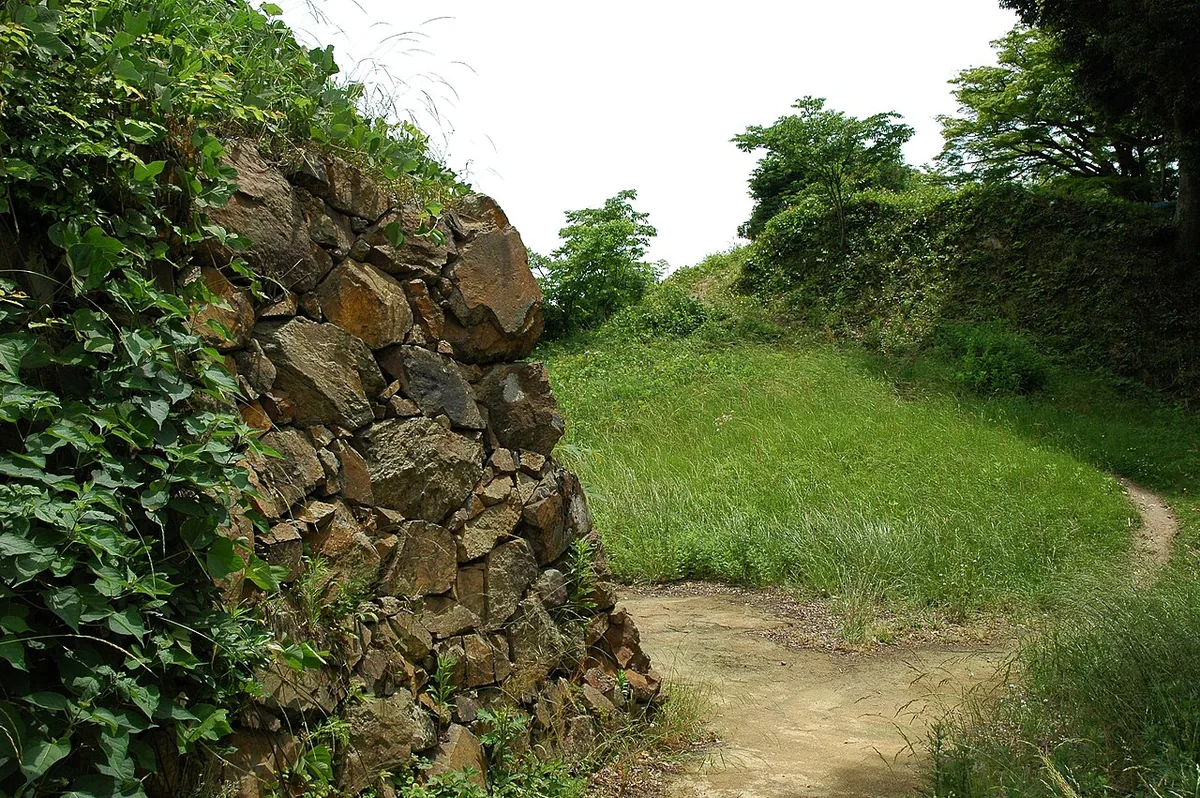
The original keep platform survives at a separate location from the current tower. The two sites make the change in position clear.
River defences
The Nishiki River below served as a natural outer moat. Looking downhill explains how mountain and river worked together.
THROUGH THE YEARS
A short timeline
- 1608
Kikkawa Hiroie completes the castle.
- 1615
The castle is dismantled under the one-castle policy.
- 1962
A keep is reconstructed at a different position.
BEFORE YOU GO
A note before you go.
Plan your ascent and check the weather before visiting this hilltop castle. See the official site for current admission details.
Information checked: 27 September 2026
Sources & official information
Some official sources are available in Japanese only.