Get to know the castle
Castle at a glance
- Site & layout
- Hill-and-plain castle combining summit and foothill defences
- Origins
- Construction 1604–1608
- Builders & patrons
- Mori Terumoto
- Other names
- Shizuki Castle
- What remains today
- Keep platform, walls, moats and summit defences
THE STORY
The story behind the walls
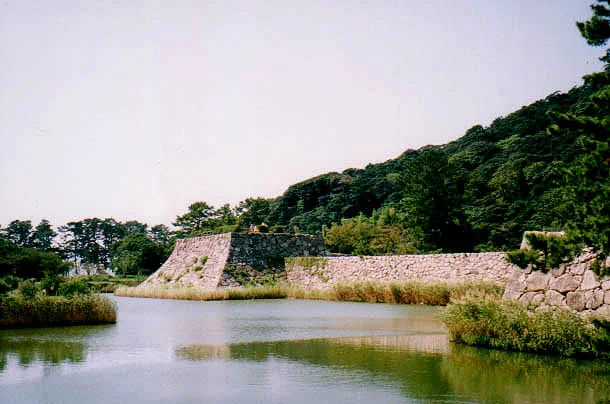
After Sekigahara reduced his territory, Mori Terumoto built Hagi as his new seat. Construction began in 1604 and was completed in 1608 alongside the development of the town. It remained the Mori political centre until the domain office moved to Yamaguchi in 1863. The keep, gates and turrets were dismantled in 1874. Today Shizuki Park preserves the walls and moats that reveal the former scale. The delta at the mouth of the Abu River also provided water transport for construction and daily life.
LAYOUT & ARCHITECTURE
Read the landscape and the buildings.
The main enclosures occupied the foot of Mount Shizuki, which projects into the sea behind them. The summit enclosure provided a lookout and defensive position. On the lower ground, successive moats separated the lord’s residence and retainers’ quarters.
A CLOSER LOOK
Details worth a closer look.
Keep platform
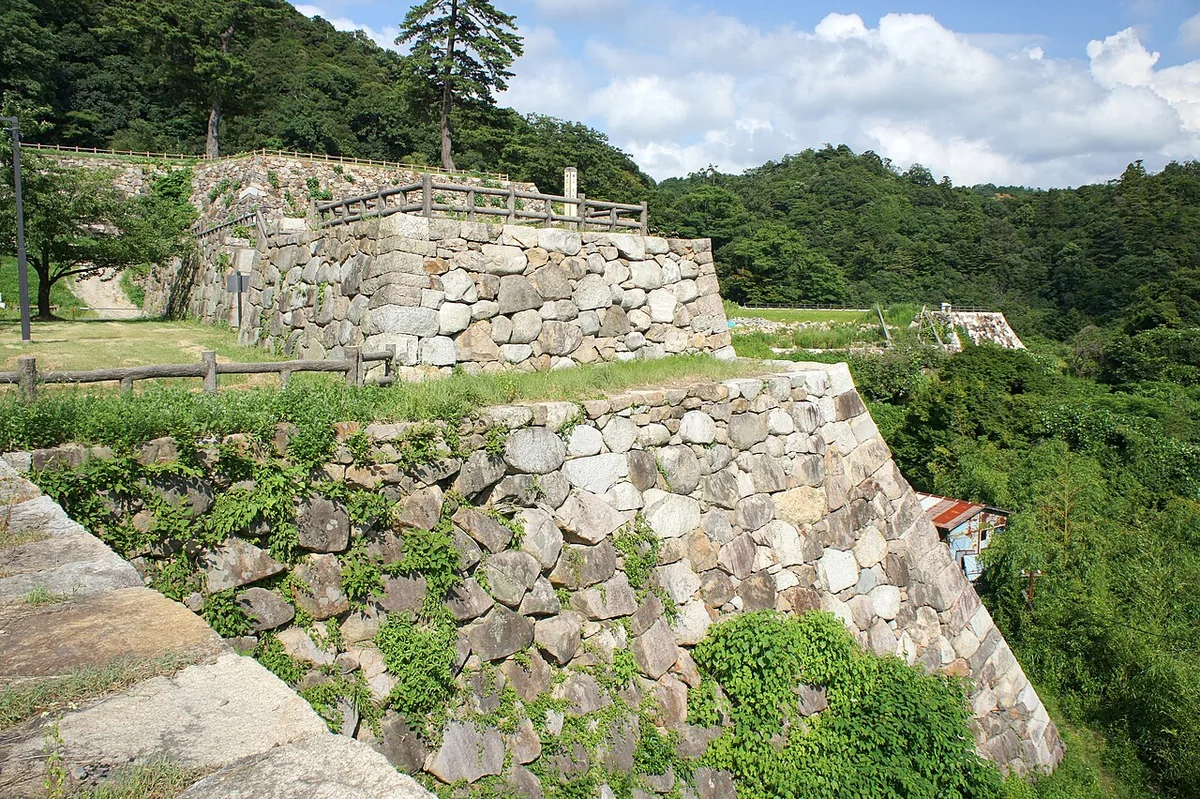
Stone foundations remain where a five-tier keep once stood. The masonry curves more steeply towards its upper edge.
Two levels of defence
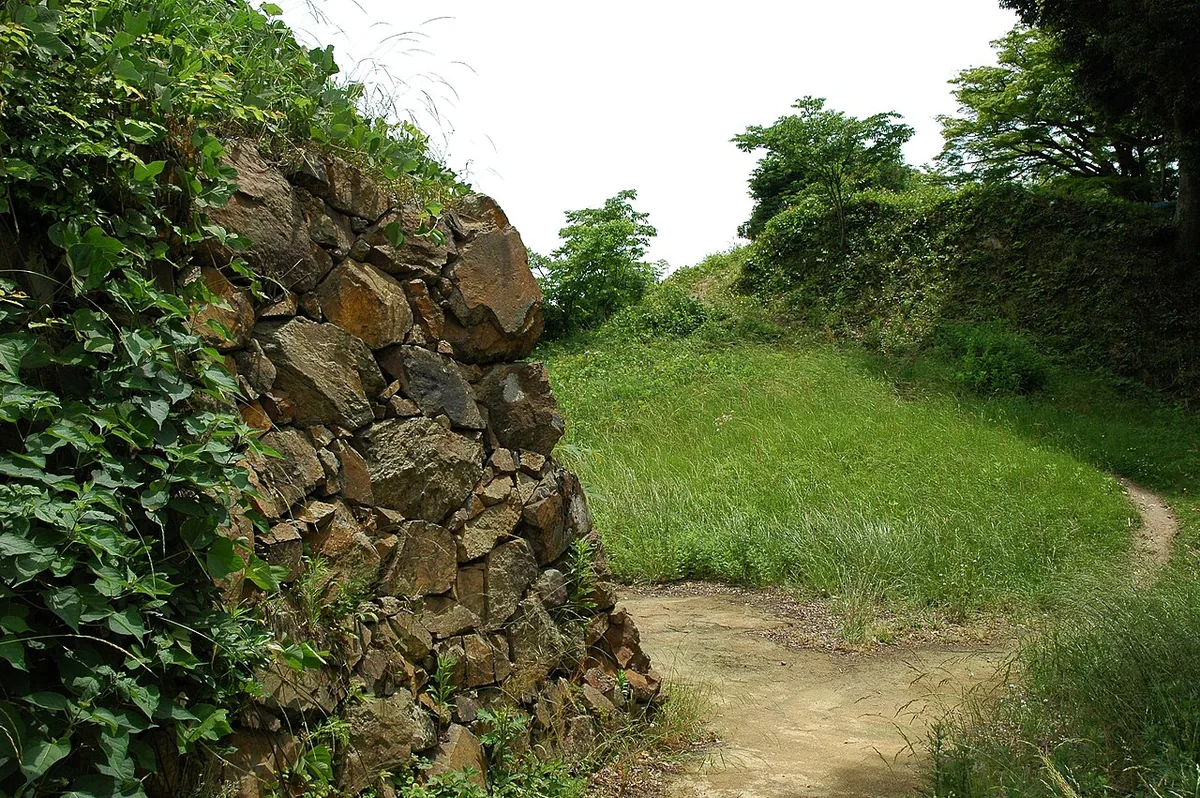
The castle combined lower enclosures with a defensive enclosure on the summit. Sea, hill and lowland each played a different role.
Shizuki Park
The ruins form a park known for its spring cherry blossoms. Outside blossom season, walking along walls and moats still reveals the castle’s form.
THROUGH THE YEARS
A short timeline
- 1604–1608
Mori Terumoto builds Hagi Castle.
- 1863
The domain administration moves to Yamaguchi.
- 1874
The keep and other castle buildings are dismantled.
BEFORE YOU GO
A note before you go.
The lower park and summit involve different levels of walking. Choose your route according to the weather and your fitness.
Information checked: 27 September 2026
Sources & official information
Some official sources are available in Japanese only.