Get to know the castle
Castle at a glance
- Site & layout
- Lowland castle on a river delta
- Origins
- Construction began 1589; present keep rebuilt 1958
- Builders & patrons
- Mori Terumoto
- Other names
- Rijo
- What remains today
- Walls and moat survive; keep and Ninomaru buildings are postwar reconstructions
THE STORY
The story behind the walls
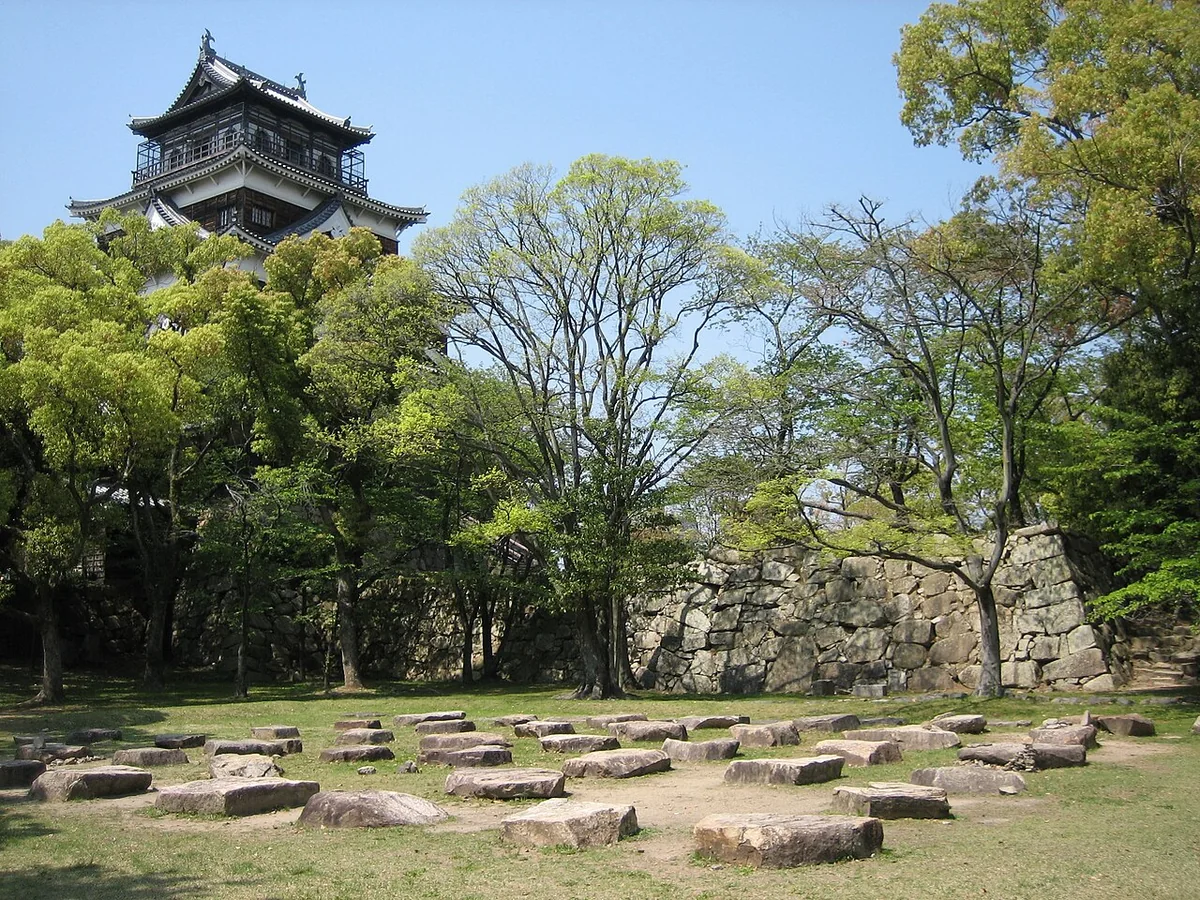
Mori Terumoto began construction in 1589 and established a new castle town. It remained Hiroshima’s political centre through changes of lordship. The atomic bombing of 1945 destroyed the wooden keep and other structures. The present keep, reconstructed externally in 1958, also records the city’s postwar recovery. Ninomaru buildings were reconstructed later, while public access inside the keep ended in March 2026.
LAYOUT & ARCHITECTURE
Read the landscape and the buildings.
Rather than a mountain, the castle occupied flat delta land divided by moats and walls. The keep of the main enclosure and the entrance defences of Ninomaru can be read together across the water. Ninomaru’s gates and turrets guarded the approach into the castle.
A CLOSER LOOK
Details worth a closer look.
A symbol of recovery
The present keep is a 1958 exterior reconstruction. It represents postwar recovery rather than an original historic keep.
Reconstructed Ninomaru
Reconstructed gates and turrets reveal how the entrance was defended. These form a separate group of buildings, with their own access arrangements.
Moat and stone walls
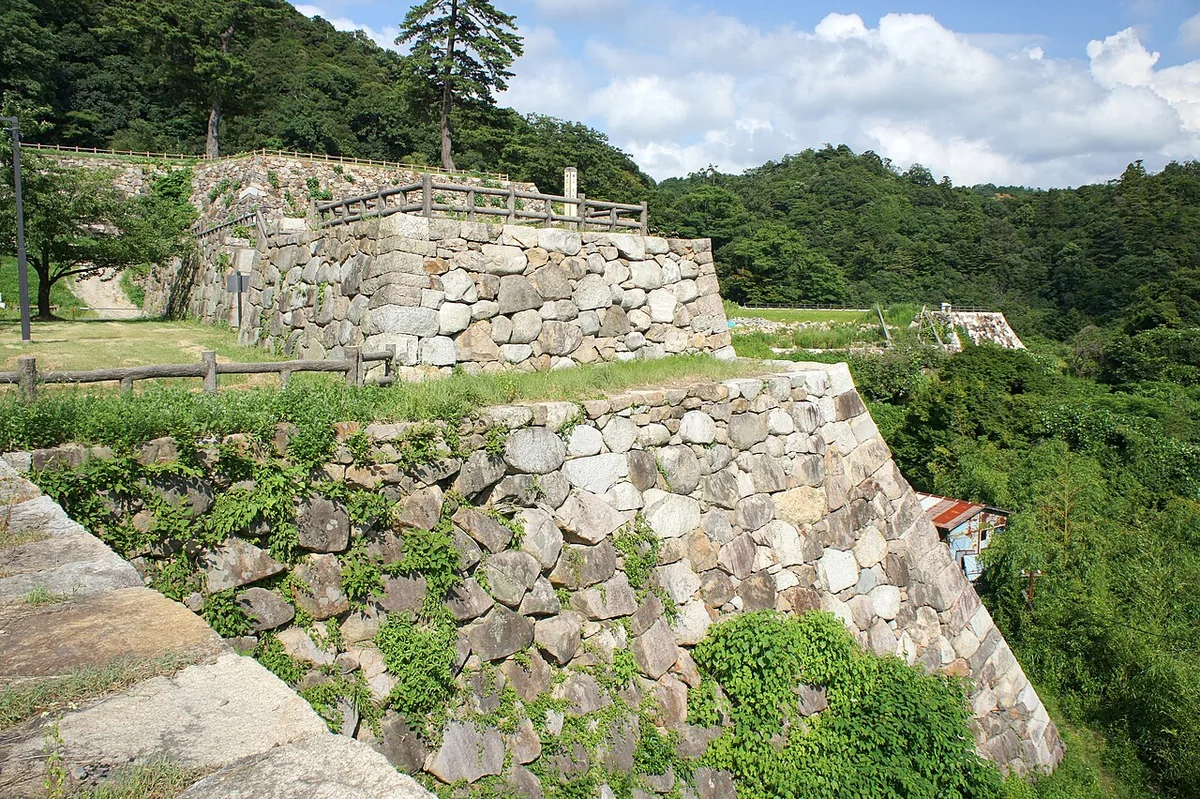
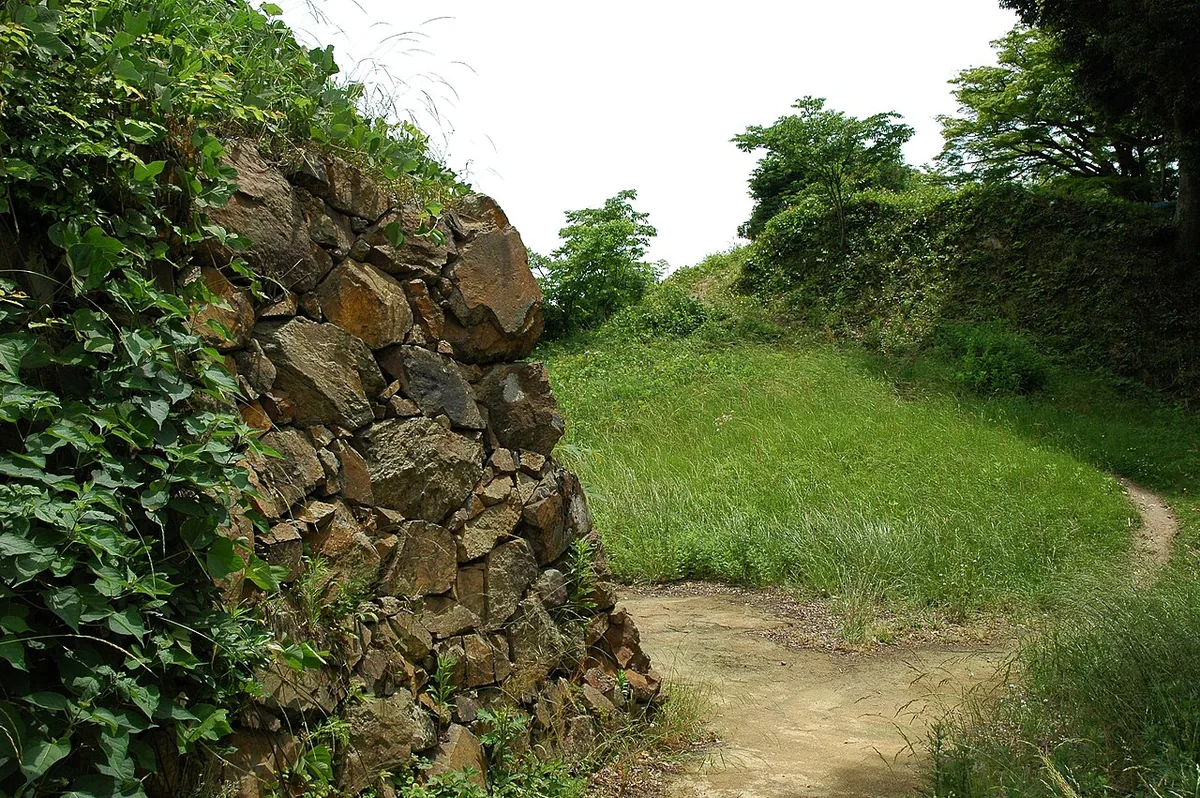
A walk beside the moat helps reveal the layout of this lowland castle. The site shows how water and masonry provided boundaries on flat ground.
THROUGH THE YEARS
A short timeline
- 1589
Terumoto begins construction.
- 1945
The wooden keep collapses in the atomic bombing.
- 1958
The present exterior reconstruction is completed.
- March 2026
Public access inside the keep ends.
BEFORE YOU GO
A note before you go.
The keep interior has been closed since March 2026. Its exterior remains visible; check the official site for access to Ninomaru and other areas.
Information checked: 27 September 2026
Sources & official information
Some official sources are available in Japanese only.