Get to know the castle
Castle at a glance
- Site & layout
- Mountain castle with valley residences and town
- Origins
- Developed as an Asakura stronghold in the late 15th century
- Builders & patrons
- Asakura Takakage and later Asakura lords
- Other names
- Ichijodani Asakura Family Historic Ruins
- What remains today
- Enclosures, residence and garden remains, street layouts and reconstructed houses
THE STORY
The story behind the walls
The Asakura established their power in Echizen around the Onin War and ruled from Ichijodani for five generations. They gathered senior retainers in the valley and developed a town and cultural centre. Defeat by Oda Nobunaga in 1573 ended their rule and brought destruction to the town. Excavated remains and reconstructed buildings now help explain this lost medieval settlement.
LAYOUT & ARCHITECTURE
Read the landscape and the buildings.
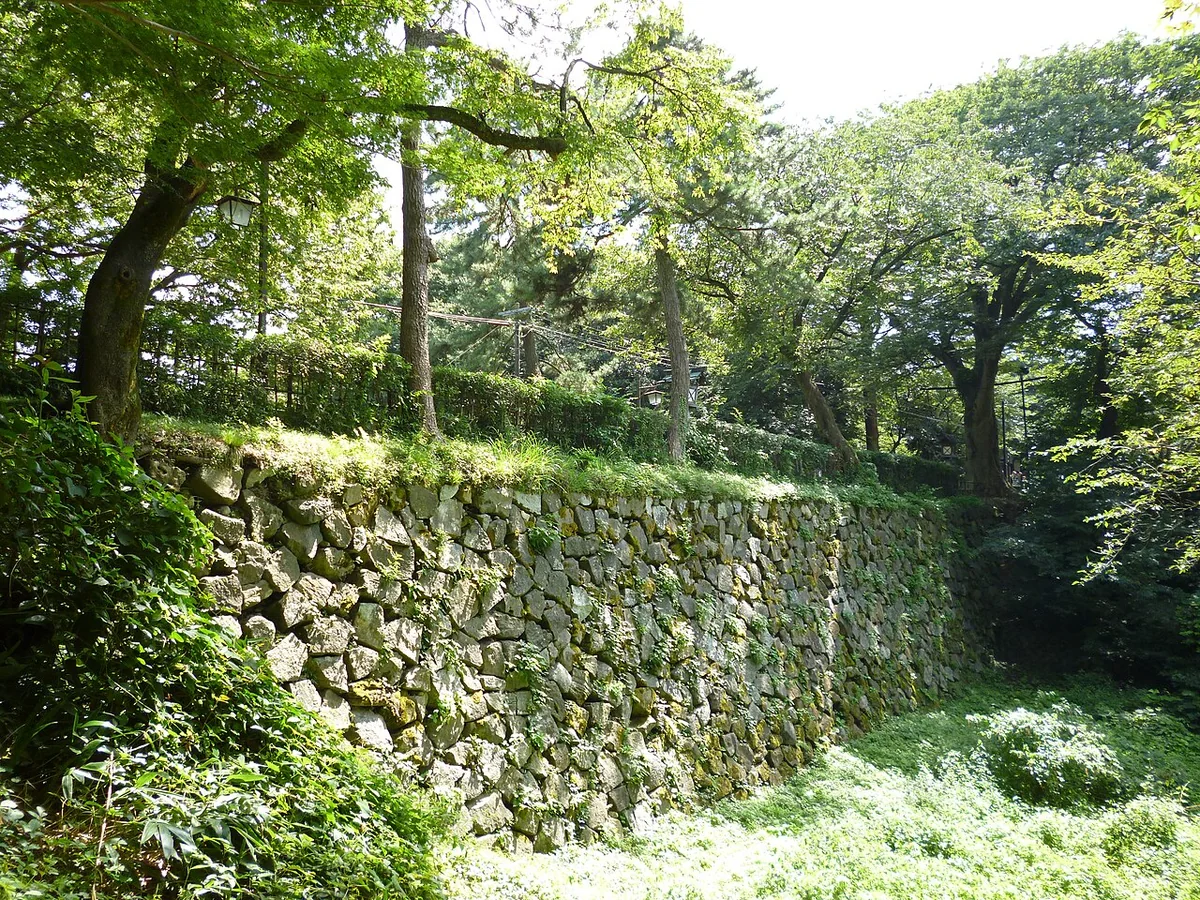
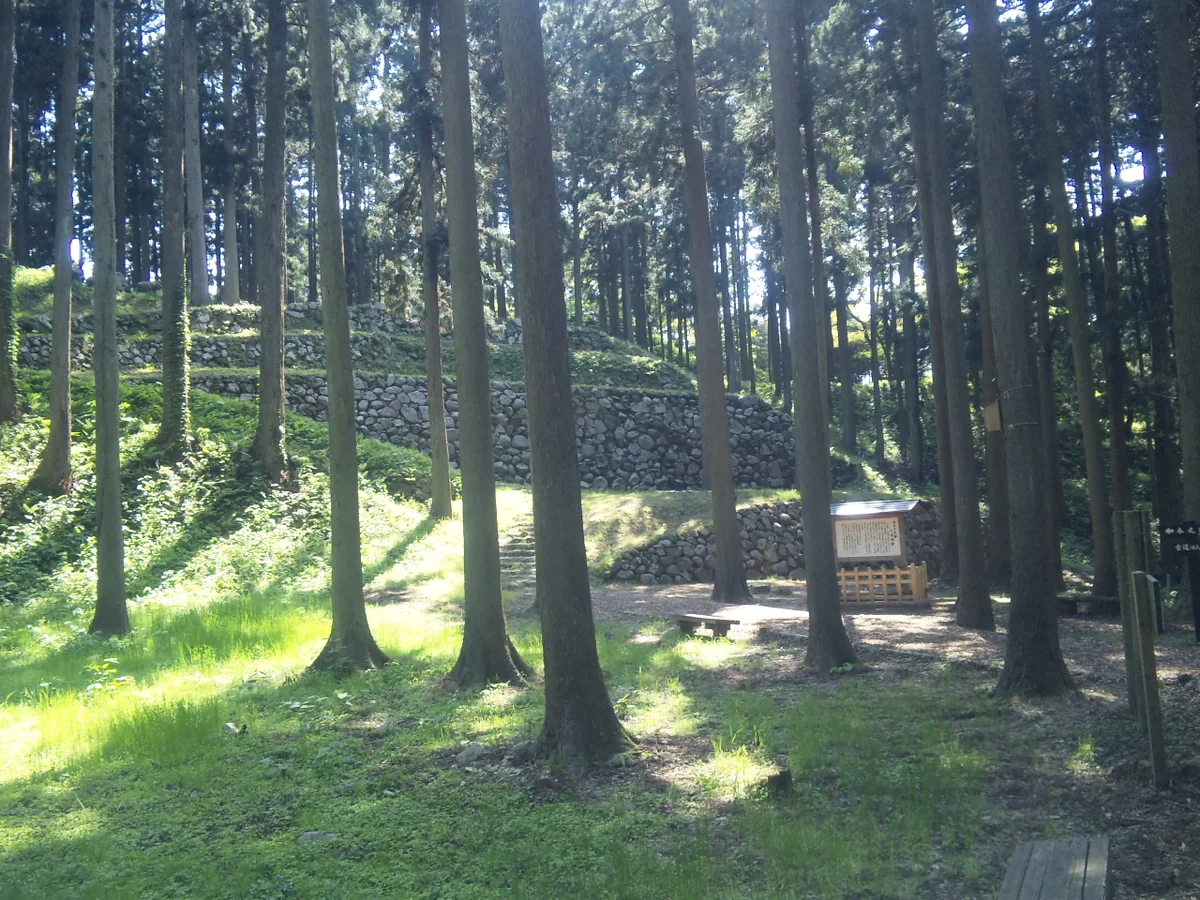
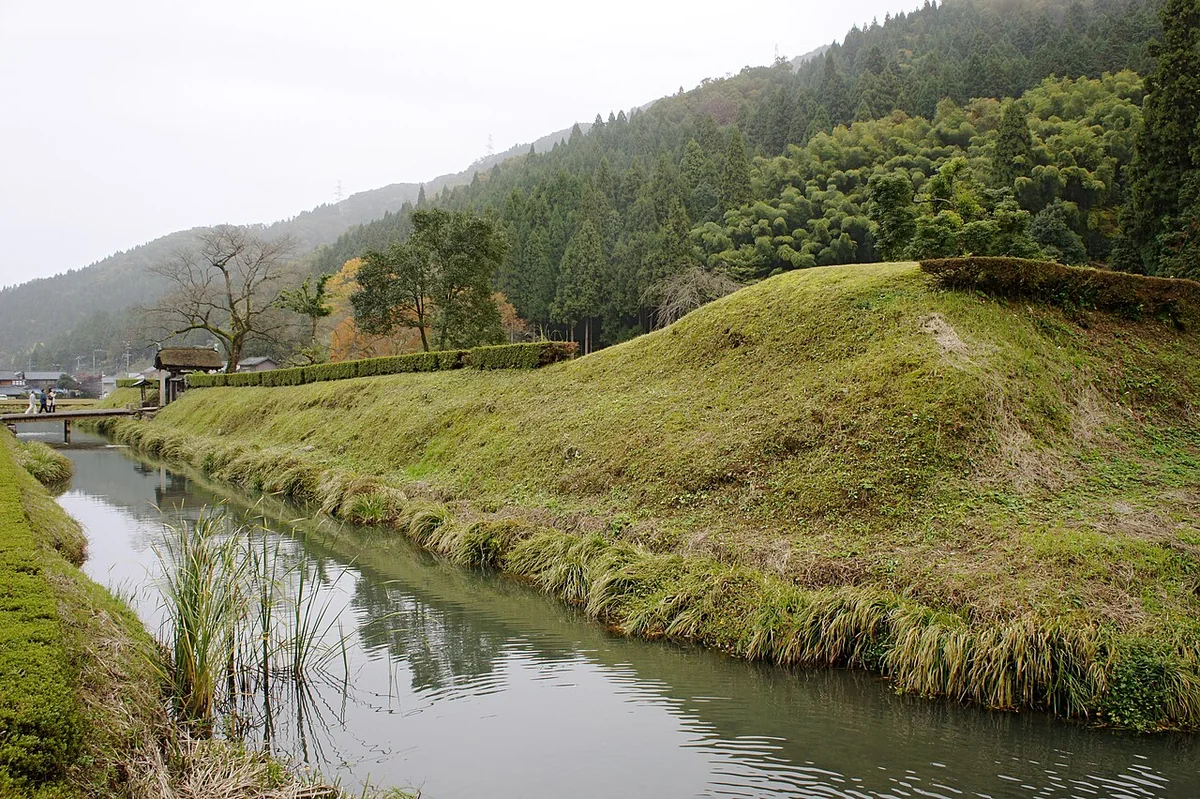
Residences and streets occupied the narrow valley, while defensive enclosures used the mountain behind it. Changes in elevation separated everyday urban life from fortified refuges. The reconstructed streets represent archaeological work on houses and town planning, not a rebuilt castle keep.
A CLOSER LOOK
Details worth a closer look.
The Asakura residence and gardens
Building foundations and garden stones outline life at the lord’s residence. They represent government and hospitality, in contrast to the defensive mountain above.
Reconstructed townscape
Samurai residences and town houses have been reconstructed using excavated foundations and walls. A roughly 200-metre street lets visitors compare domestic and working spaces.
Valley and mountain
The mountain castle worked together with residences and a town below. Treating the valley walk and mountain hike as separate routes makes this large site easier to understand.
THROUGH THE YEARS
A short timeline
- Late 15th century
Ichijodani developed as the Asakura seat of power.
- 1573
The Asakura were defeated and the castle town burned.
BEFORE YOU GO
A note before you go.
The reconstructed town and museum are different visits from the mountain fortress. Allow separate hiking time if you plan to explore the upper castle.
Information checked: 27 September 2026
Sources & official information
- Fukui Prefectural Ichijodani Museum: Asakura history ↗
- Ichijodani official portal: Reconstructed townscape ↗
- Ichijodani Museum: Exploring the ruins ↗
Some official sources are available in Japanese only.