Get to know the castle
Castle at a glance
- Site & layout
- Mountain castle
- Origins
- Medieval origin; a traditional account dates foundation to 1185
- Builders & patrons
- Developed by the Toyama family and successive lords
- Other names
- Kirigajo
- What remains today
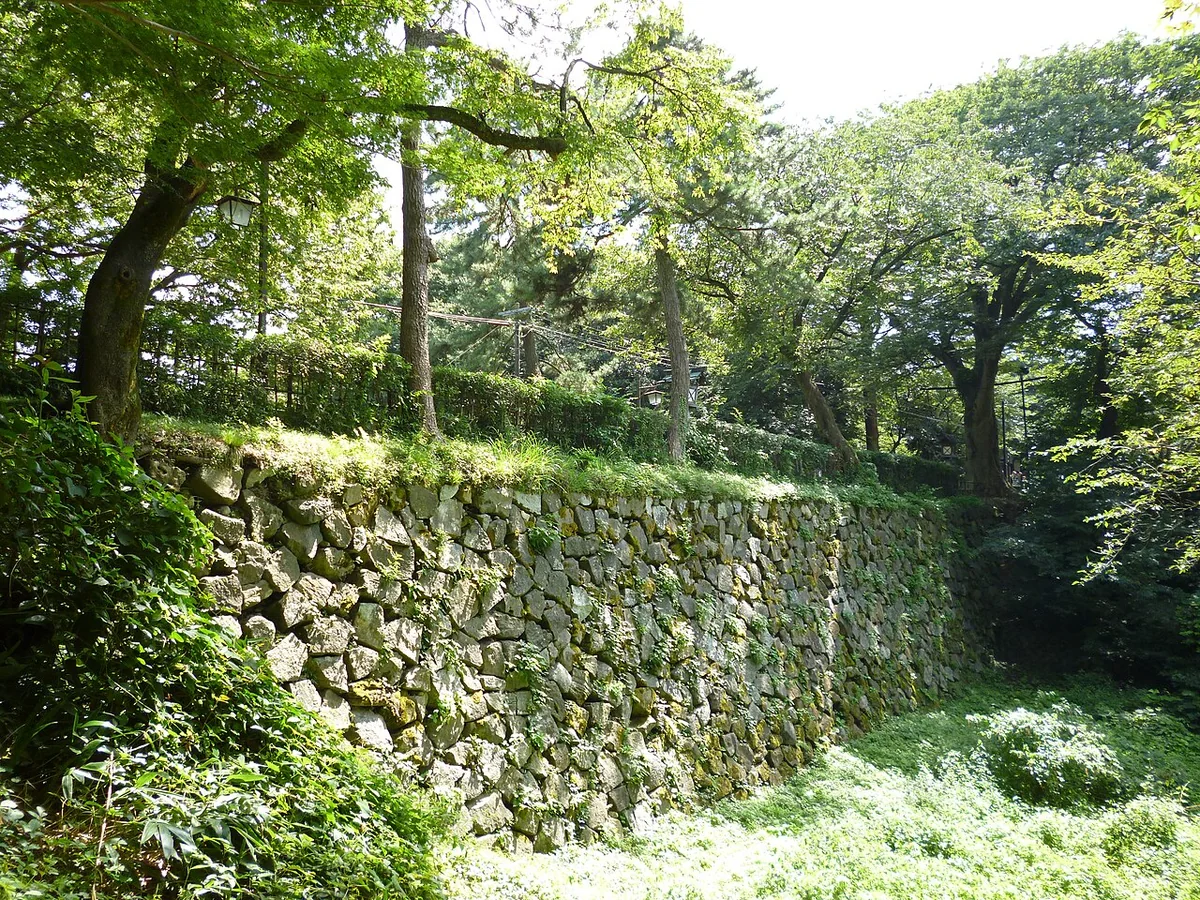
- Stone walls, enclosures and well remains
THE STORY
The story behind the walls
The castle has medieval origins, with a traditional foundation story reaching back to the Kamakura period. It served the Toyama family during the age of civil wars and later passed between other lords. It remained a domain castle through the Edo period. Its walls and enclosures now reveal the results of centuries of modification.
LAYOUT & ARCHITECTURE
Read the landscape and the buildings.
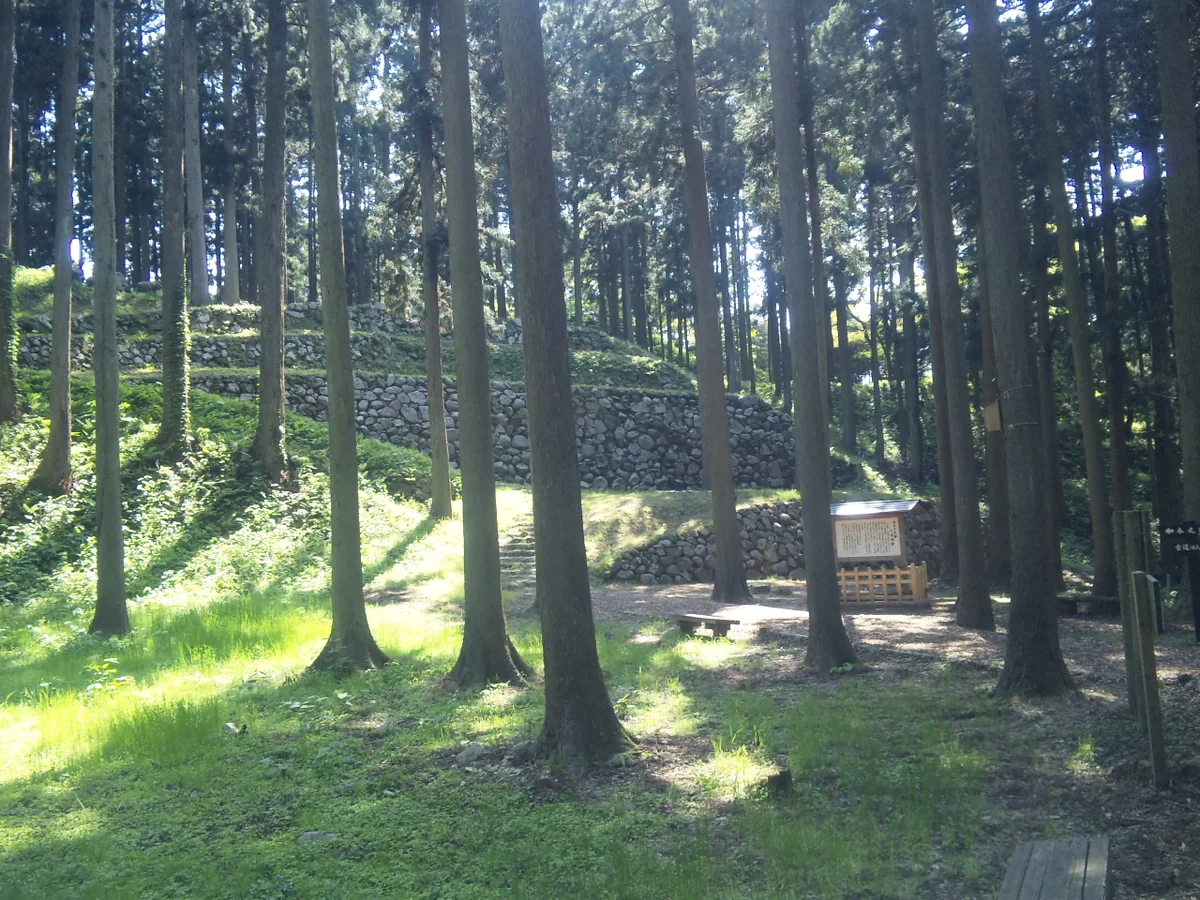
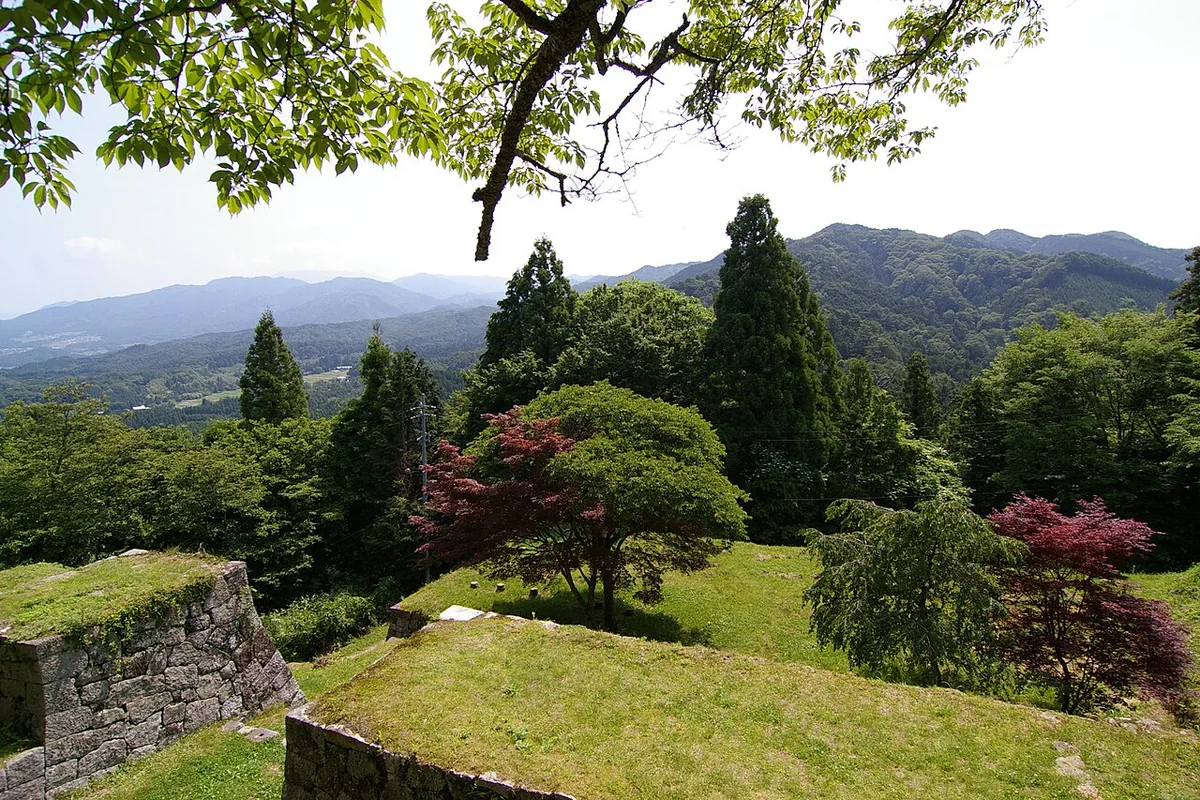
This mountain castle uses steep terrain and a sequence of terraces. Stone walls and turning approaches shape the route towards the higher enclosures. The six-tier wall makes the defensive landscape legible even without surviving buildings.
A CLOSER LOOK
Details worth a closer look.
Six-tier stone wall
Six stepped walls below the main enclosure form the castle’s best-known view. Their tiered profile is especially clear from the approach below.
Summit enclosures
The buildings are gone, but stone-lined terraces survive. Changes in direction and height help explain the relationship between entrances and the castle centre.
The town below
Below the mountain, town houses preserve the character of the old castle town. They connect the fortified heights with everyday life at the foot of the slope.
THROUGH THE YEARS
A short timeline
- 1185 (traditional)
Traditional foundation date, not the date of the surviving walls.
- Edo period
The mountain castle continued as a domain stronghold.
- Meiji period
Its role as a working castle ended, leaving walls and other remains.
BEFORE YOU GO
A note before you go.
Expect mountain paths and stone steps. Choose footwear for the climb and allow time for the return, as well as for the town below.
Information checked: 27 September 2026
Sources & official information
- Ena Tourism Association: Iwamura Castle ruins ↗
- Gifu official tourism: Iwamura Castle ruins ↗
- Hot Iwamura: Historic sites ↗
Some official sources are available in Japanese only.