Get to know the castle
Castle at a glance
- Site & layout
- Medieval mountain castle
- Origins
- Medieval origins; greatly expanded in the sixteenth century
- Builders & patrons
- The Mori clan, especially Mori Motonari
- Other names
- Yoshida-Koriyama Castle
- What remains today
- Enclosures, paths and the main-enclosure and turret platforms
THE STORY
The story behind the walls
The Mori clan developed Koriyama as its stronghold after establishing itself in Yoshida during the Nanbokucho period. Motonari entered it on becoming clan head in 1523. As Mori power grew, expansion spread numerous enclosures from the summit along the ridges. Motonari later moved his residence to the summit area and conducted government there. The buildings are gone, but the terrain and remains still reveal the large mountain castle.
LAYOUT & ARCHITECTURE
Read the landscape and the buildings.
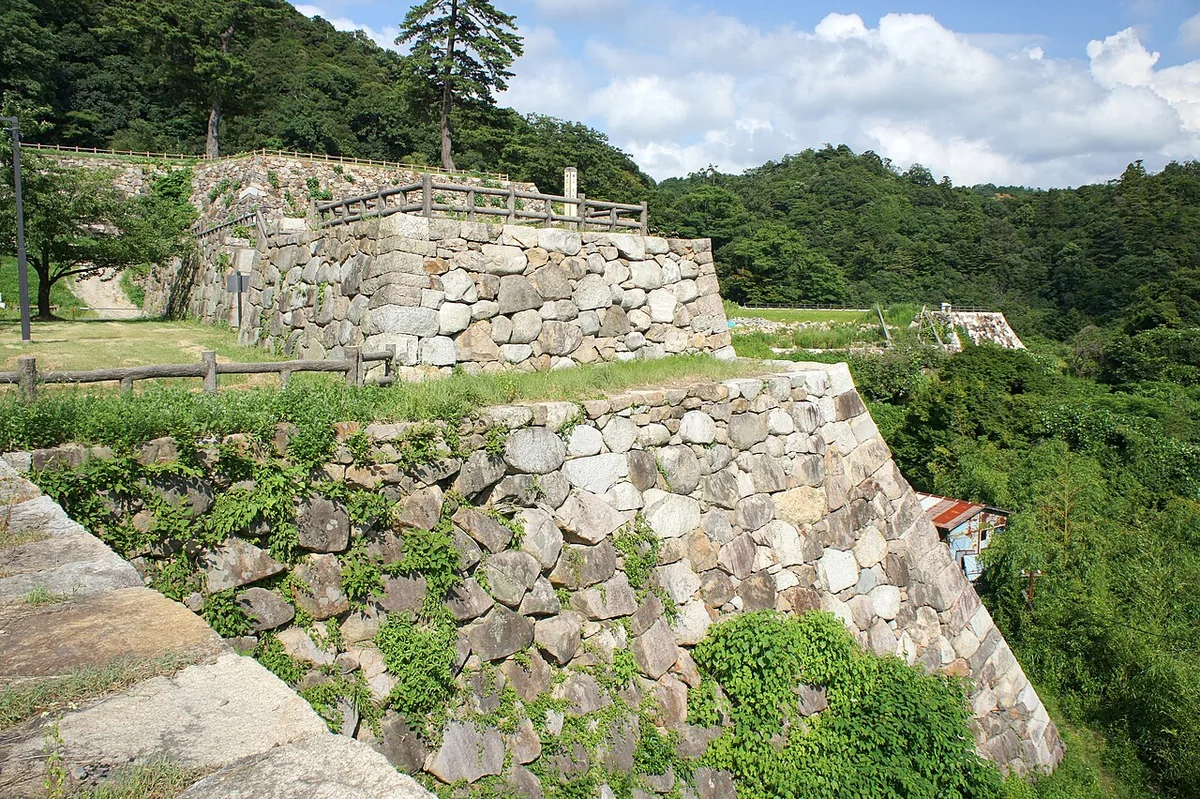
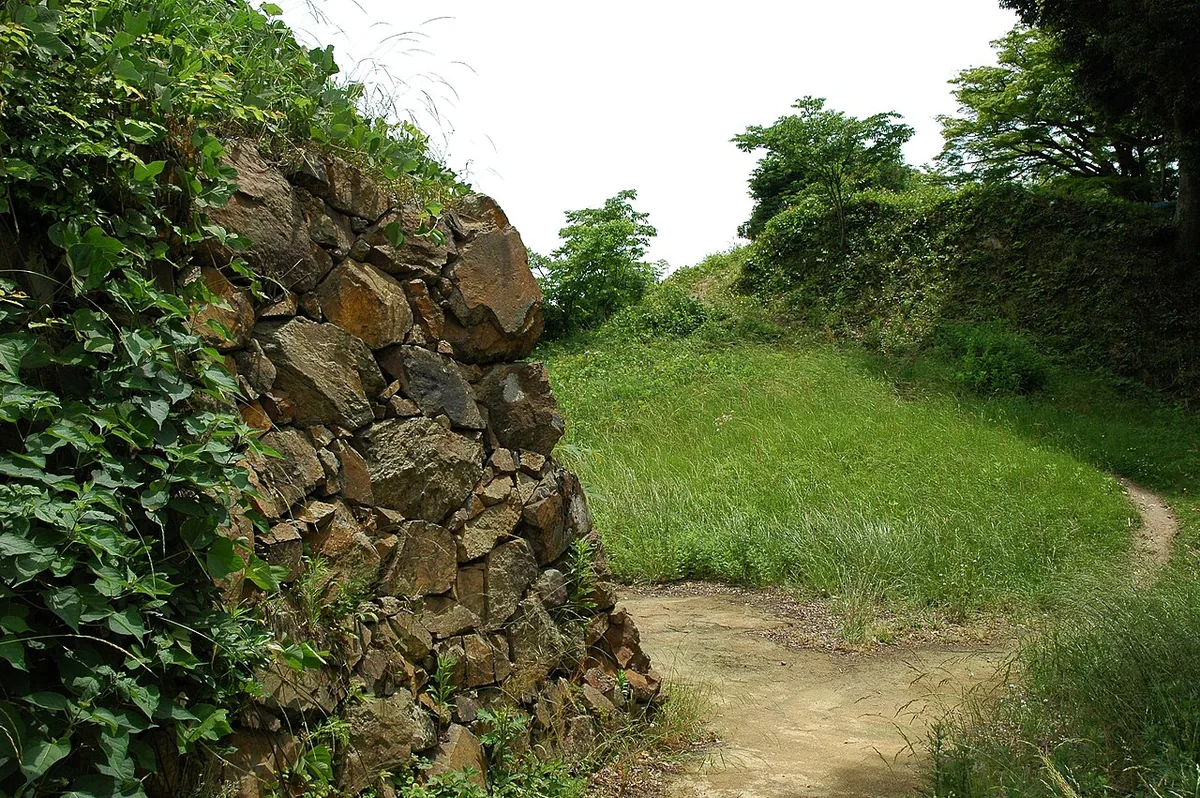
Enclosures branch along ridges from the summit, incorporating the whole mountain into the defences. Comparing level terraces with the slopes and paths between them reveals its extent. The site is experienced through surviving terrain rather than a reconstructed keep.
A CLOSER LOOK
Details worth a closer look.
Summit enclosure
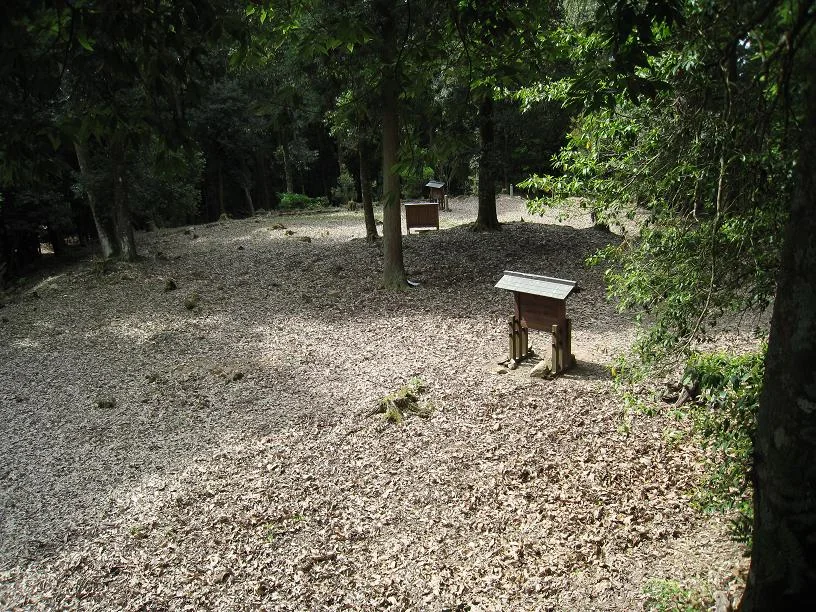
The main enclosure and turret platform occupy a summit about 390 metres above sea level. With no building covering it, the terrace’s size and changes in elevation are visible.
Linked ridge defences
Numerous enclosures and paths once connected the branching ridges and valleys. They show that the castle occupied an entire mountain, not just its central enclosure.
Motonari’s residence
Motonari later moved to the summit area and conducted government there. The movement of residence and government uphill offers insight into medieval castle life.
THROUGH THE YEARS
A short timeline
- Medieval period
Develops as a Mori stronghold.
- 1523
Motonari enters after succeeding as clan head.
- Sixteenth century
Expansion accompanies the rise of Mori power.
BEFORE YOU GO
A note before you go.
The main enclosure requires a mountain walk. Use the museum’s map to plan your route and wear suitable shoes.
Information checked: 27 September 2026
Sources & official information
Some official sources are available in Japanese only.