Get to know the castle
Castle at a glance
- Site & layout
- Hill-and-plain castle
- Origins
- Construction 1585–1586
- Builders & patrons
- Hachisuka Iemasa
- Other names
- —
- What remains today
- Blue-green stone walls, enclosures, moat and palace garden
THE STORY
The story behind the walls
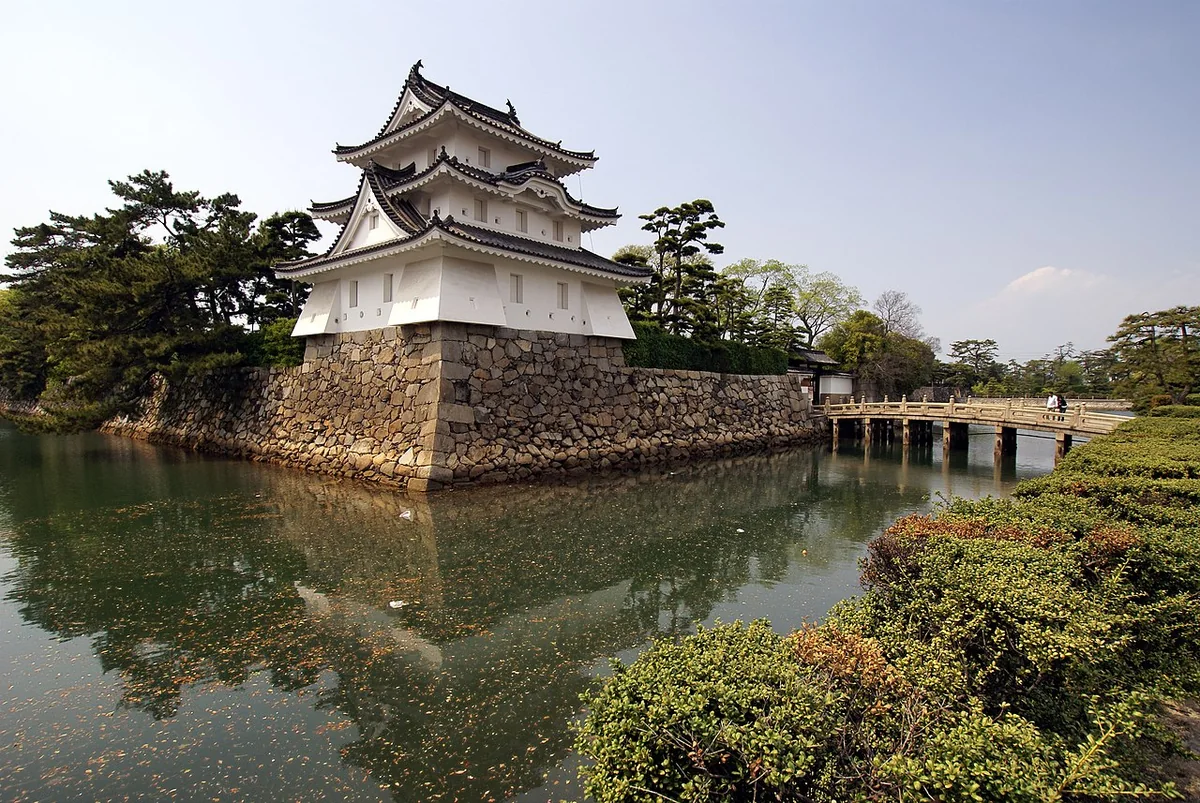
Hachisuka Iemasa began major construction in 1585 after entering Awa. The castle was completed in 1586 and became the Hachisuka seat. Its hilltop and foothill complex formed the centre of the growing castle town. Castle buildings were removed in the Meiji period. Surviving walls, parts of the moat and the palace garden preserve evidence of the domain’s history.
LAYOUT & ARCHITECTURE
Read the landscape and the buildings.
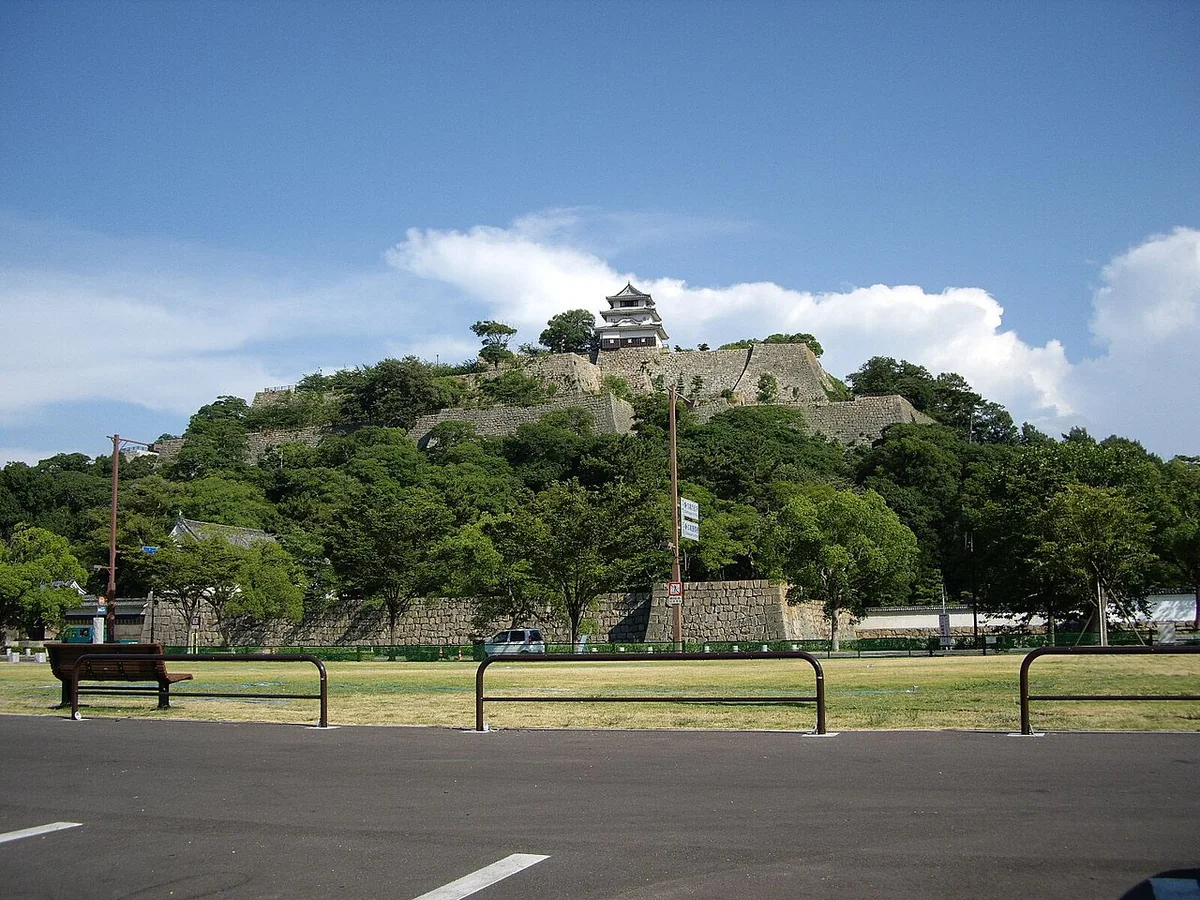
The layout combined a summit enclosure, terraces on the slopes and a palace below. Blue-green local stone follows the changes in elevation, illustrating the use of regional materials. Enclosure boundaries and walls still explain the relationship between hilltop and foothill areas, while comparison with the garden distinguishes residential and defensive spaces.
A CLOSER LOOK
Details worth a closer look.
Awa’s blue-green stone
Local blue-green stone gives the surviving walls their characteristic colour. Looking closely at colour and shape helps distinguish these walls from those elsewhere.
Hilltop enclosures
The summit enclosure and surrounding terraces reveal the castle’s layout. The meeting of terraces and slopes makes the vanished buildings’ setting legible.
Palace garden
The garden of the main palace survived the removal of the castle buildings. The garden contrasts the residential side of the castle with its defensive walls.
THROUGH THE YEARS
A short timeline
- 1585
Hachisuka Iemasa begins construction.
- 1586
Tokushima Castle is completed.
- Meiji period
The castle buildings are removed.
BEFORE YOU GO
A note before you go.
Check the separate visitor information for the garden and museum. Take care on paths up the castle hill.
Information checked: 27 September 2026
Sources & official information
Some official sources are available in Japanese only.