Get to know the castle
Castle at a glance
- Site & layout
- Lowland castle site interpreted through its main palace
- Origins
- Castle completed 1611; palace rebuilt 1838 and reconstructed 2004
- Builders & patrons
- The Nabeshima family; Naomasa rebuilt the palace in 1838
- Other names
- —
- What remains today
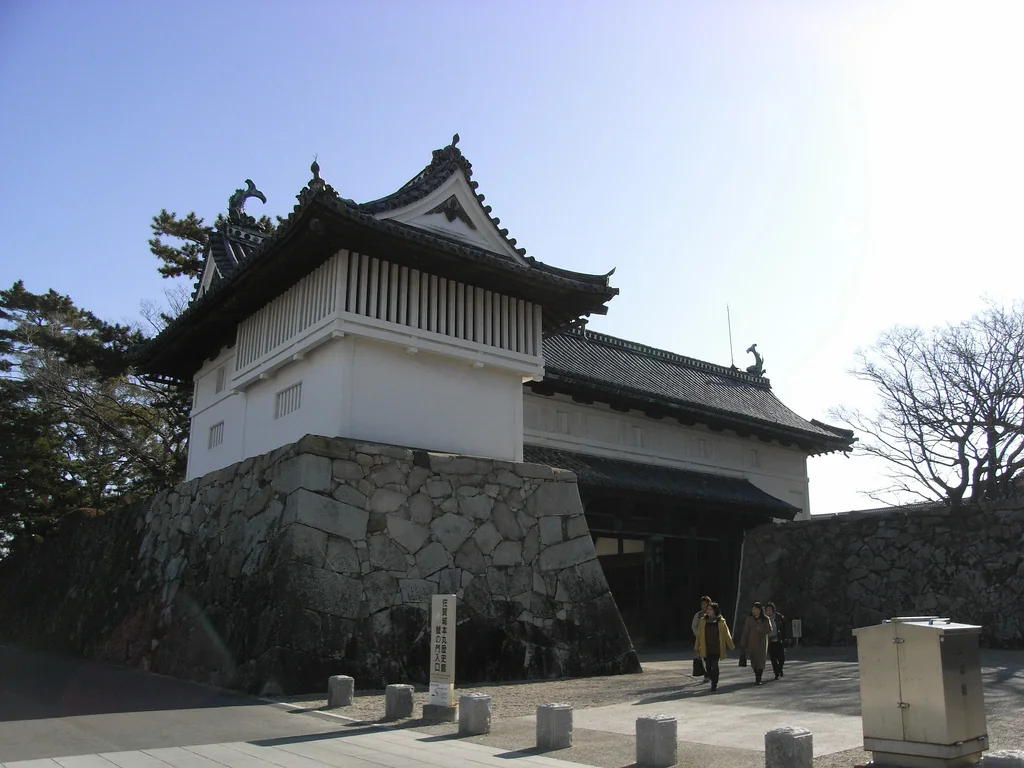
- Shachinomon Gate, Gozanoma, walls and moat; most palace rooms are modern reconstructions
THE STORY
The story behind the walls
The castle was completed in 1611 as the Nabeshima seat. It remained the political centre of Saga Domain through the Edo period. Nabeshima Naomasa rebuilt the main palace in 1838. Much of it was later lost, but the Gozanoma survived after relocation. In 2004 a wooden reconstruction of part of the palace opened as a prefectural museum, with the original room returned to the site.
LAYOUT & ARCHITECTURE
Read the landscape and the buildings.
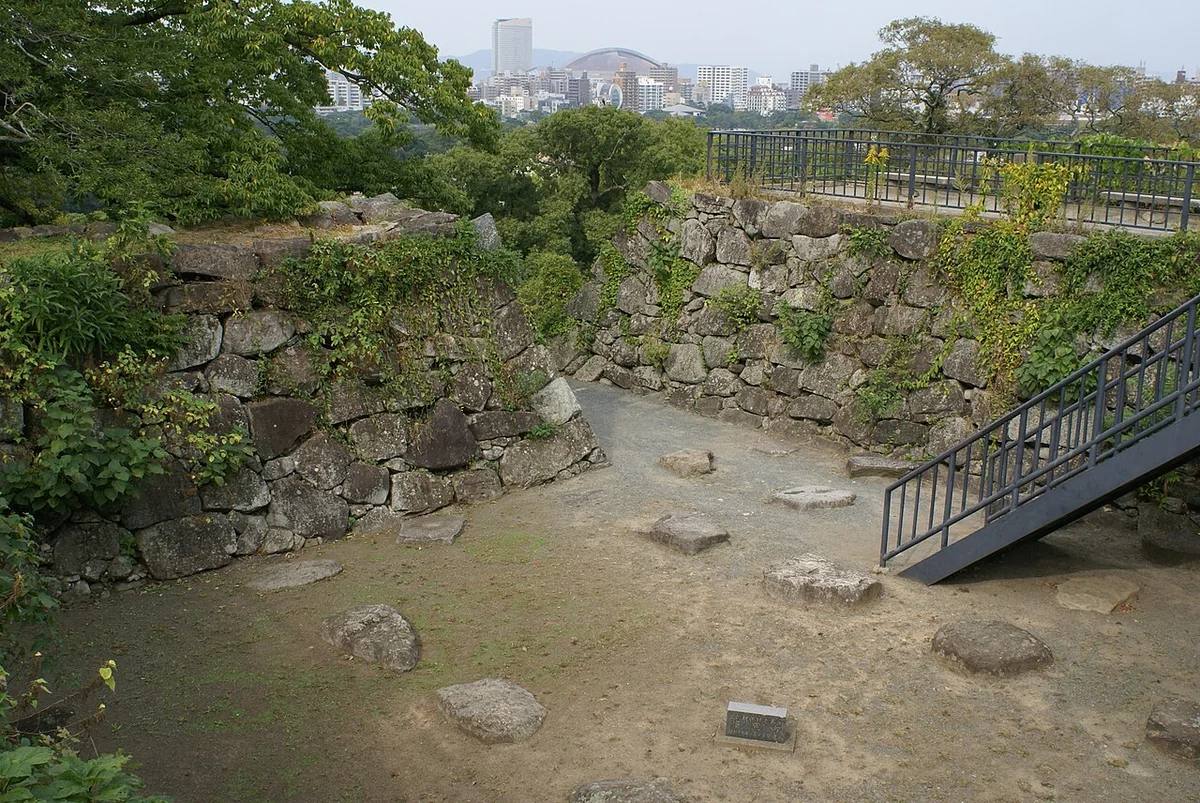
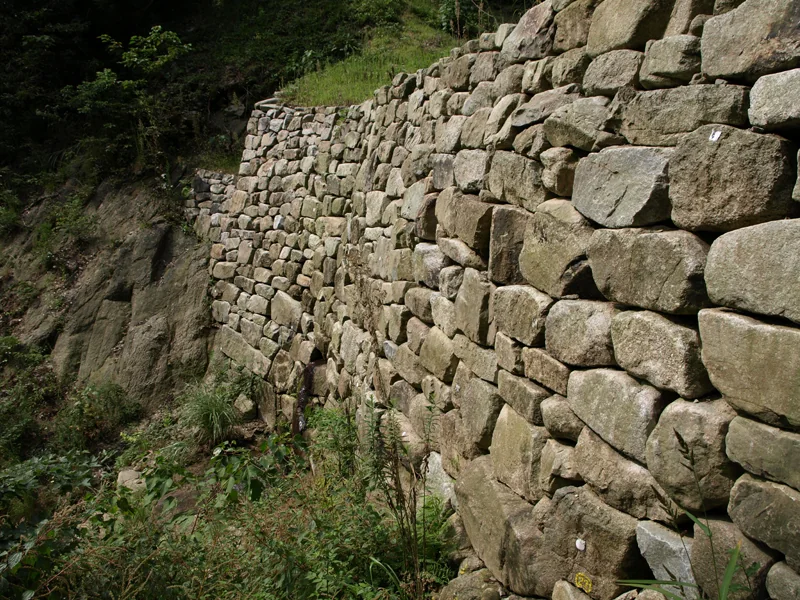
Broad moats surrounded the lowland castle; today the main palace provides its principal interior experience. Traditional joinery and wall construction were used to recreate connected tatami halls and corridors. The original Gozanoma, returned from another location, is historic fabric within the wider reconstruction.
A CLOSER LOOK
Details worth a closer look.
Wooden main palace
Traditional construction methods were used in the reconstruction. It recreates the palace of government and residence, rather than a keep.
Large tatami hall
Expansive rooms and a long tatami corridor convey the scale of the palace. The connections between rooms reveal the palace’s internal organisation.
Original room and gate
The lord’s original Gozanoma was returned from another site; Shachinomon Gate also survives. The site allows comparison between new reconstruction and Edo-period fabric.
THROUGH THE YEARS
A short timeline
- 1611
The Nabeshima castle is completed.
- 1838
Naomasa rebuilds the main palace.
- 2004
A partial wooden palace reconstruction opens as a museum.
BEFORE YOU GO
A note before you go.
Museum interiors and the outdoor castle remains have different visiting arrangements. Check the prefectural museum’s official information.
Information checked: 27 September 2026
Sources & official information
- Saga Castle History Museum: Palace reconstruction ↗
- Saga Castle History Museum: Saga Castle ↗
- Saga Castle History Museum: Palace interpretation ↗
Some official sources are available in Japanese only.