Get to know the castle
Castle at a glance
- Site & layout
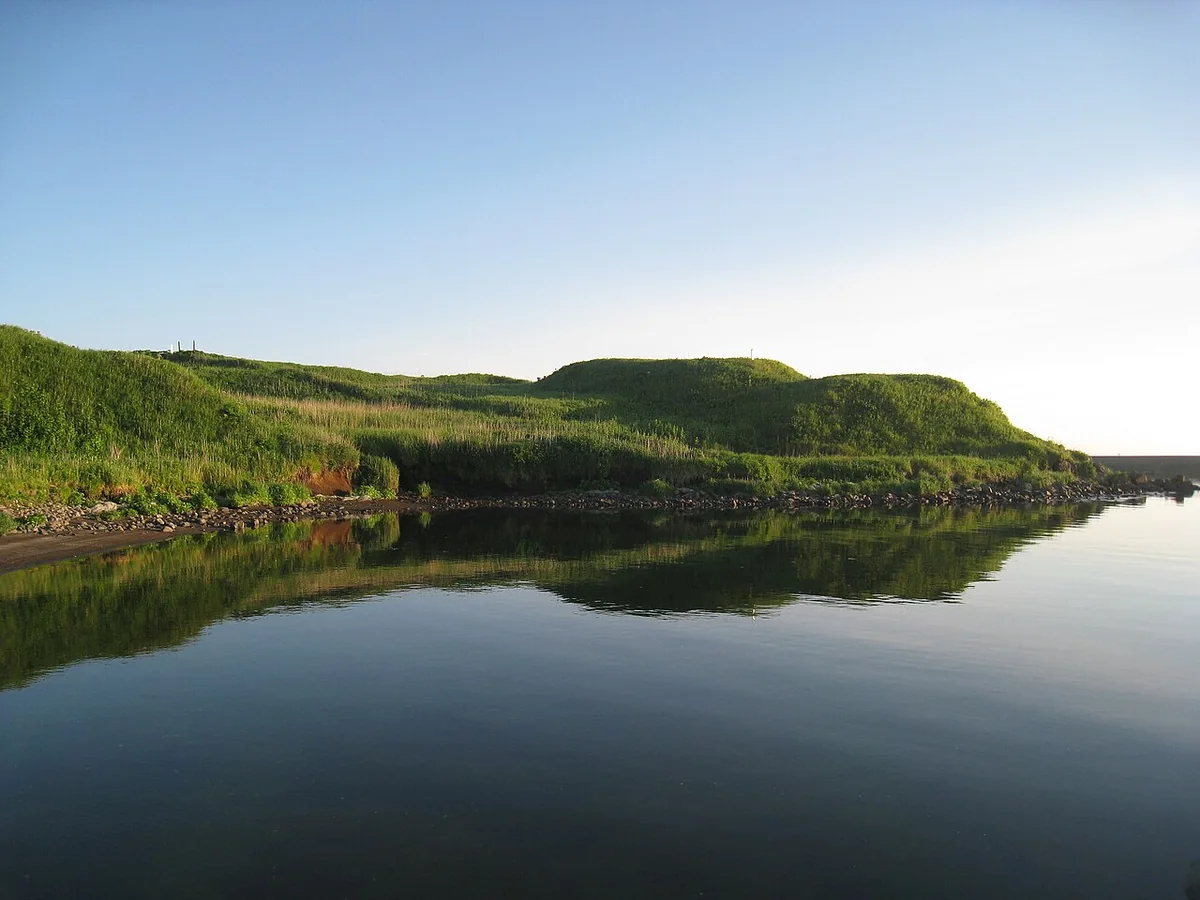
- Hilltop-and-lowland castle dominated by earthworks
- Origins
- Begun in 1603; completed around 1631
- Builders & patrons
- Satake Yoshinobu
- Other names
- —
- What remains today
- Original guardhouse, moats and earthworks; reconstructed turret
THE STORY
The story behind the walls
Satake Yoshinobu moved to Dewa in 1602 and began construction at Kubota in 1603. He entered in 1604, although work continued until around 1631. The castle became the centre of Satake government and the surrounding town. Today, the park combines archaeological features, a surviving building and modern reconstructions.
LAYOUT & ARCHITECTURE
Read the landscape and the buildings.
Several enclosures were arranged on Shinmeiyama, protected mainly by moats and earthworks. No keep was originally built; turrets performed observation and related roles. The observation section of today’s Osumi Turret should not be mistaken for Edo-period fabric.
A CLOSER LOOK
Details worth a closer look.
Moats and earthworks
Earthen banks and moats carried most of the defensive work. The edges of the enclosures still help trace the castle within the park.
Surviving guardhouse
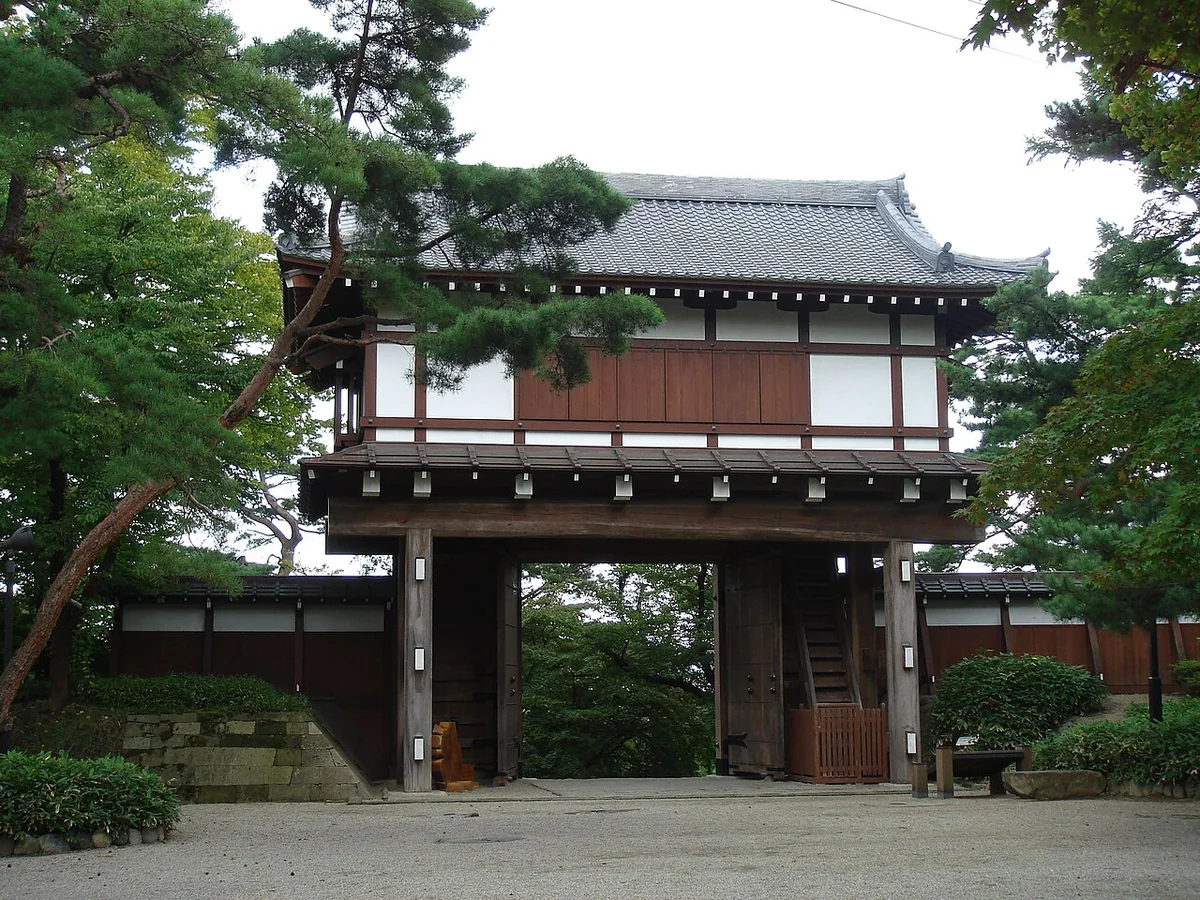
This surviving domain-period building housed officials responsible for gate management and security. It reveals everyday castle operations rather than monumental display.
Osumi Turret
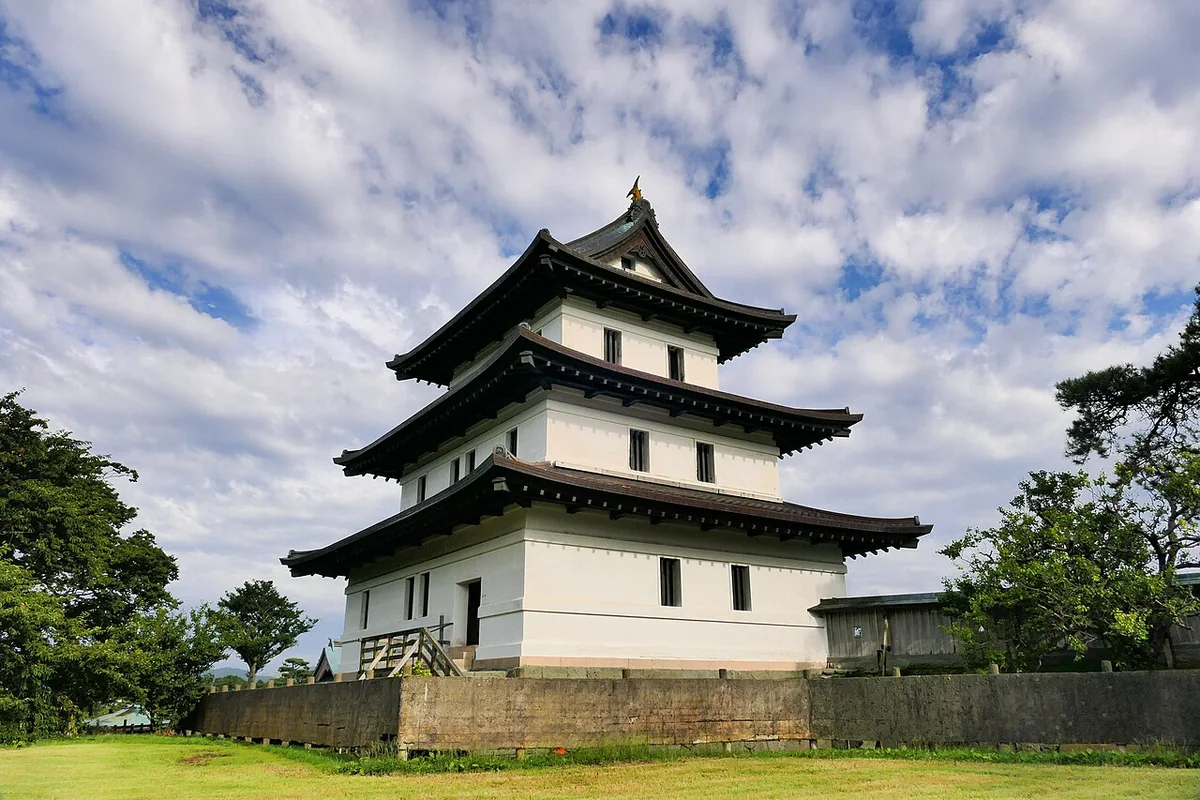
The current turret is a modern reconstruction with an observation level. It represents a watch and storage building, not a castle keep.
THROUGH THE YEARS
A short timeline
- 1603
Construction began.
- 1604
Satake Yoshinobu moved in.
- c. 1631
Approximate completion of the castle works.
BEFORE YOU GO
A note before you go.
Exhibition buildings have their own opening arrangements, separate from the park. Check Akita City’s current closure and admission information.
Information checked: 27 September 2026
Sources & official information
Some official sources are available in Japanese only.