Get to know the castle
Castle at a glance
- Site & layout
- Early-modern castle ruins on a wooded hill
- Origins
- Early seventeenth century
- Builders & patrons
- Date Masamune and his successors
- Other names
- Aoba Castle
- What remains today
- Stone walls, enclosures and buried palace remains
THE STORY
The story behind the walls
Date Masamune developed the castle and its town in the early seventeenth century. A formal palace occupied the main enclosure, with the Great Hall traditionally dated to 1610. Domain facilities also developed in the lower enclosures. Most buildings have disappeared, but masonry and excavated palace remains preserve the story.
LAYOUT & ARCHITECTURE
Read the landscape and the buildings.
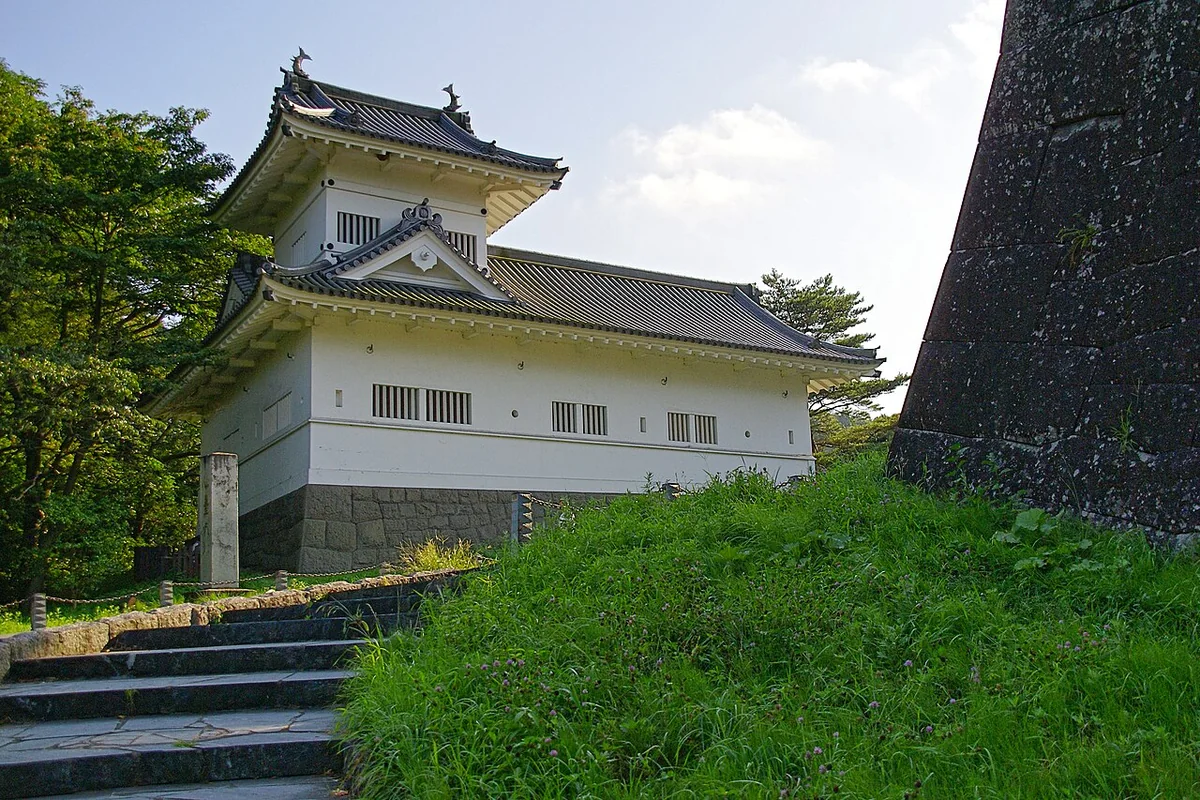
The castle combines elevated terrain with masonry walls around its main enclosure. Lower compounds shared administrative and defensive functions. Older walls buried behind later ones document repeated rebuilding.
A CLOSER LOOK
Details worth a closer look.
Main-enclosure walls
The northern wall is a major surviving feature. Restoration investigations revealed earlier masonry behind it, exposing layers of rebuilding.
Great Hall remains
A Great Hall served official and ceremonial purposes. Excavated post positions and room layouts help reveal the size of the lost palace.
Reading the terrain
The high ground helps explain the choice of site. The castle should also be understood as a complex extending into lower enclosures, rather than only the summit.
THROUGH THE YEARS
A short timeline
- Early 1600s
Date Masamune developed Sendai Castle.
- 1610
Traditional completion date of the Great Hall.
- Modern era
Excavation and wall conservation clarify its development.
BEFORE YOU GO
A note before you go.
Routes and access around the walls may change during conservation. Check Sendai City’s access updates and individual arrangements for visitor facilities.
Information checked: 27 September 2026
Sources & official information
- Sendai City: Castle site ↗
- Sendai City: Excavating the Great Hall ↗
- Sendai City: Archaeological record ↗
Some official sources are available in Japanese only.