Get to know the castle
Castle at a glance
- Site & layout
- Lowland castle with successive main, second and third enclosures
- Origins
- Begun 1618; present keep reconstructed 1964
- Builders & patrons
- Matsukura Shigemasa
- Other names
- —
- What remains today
- Walls and moats; keep and turrets are modern reconstructions
THE STORY
The story behind the walls
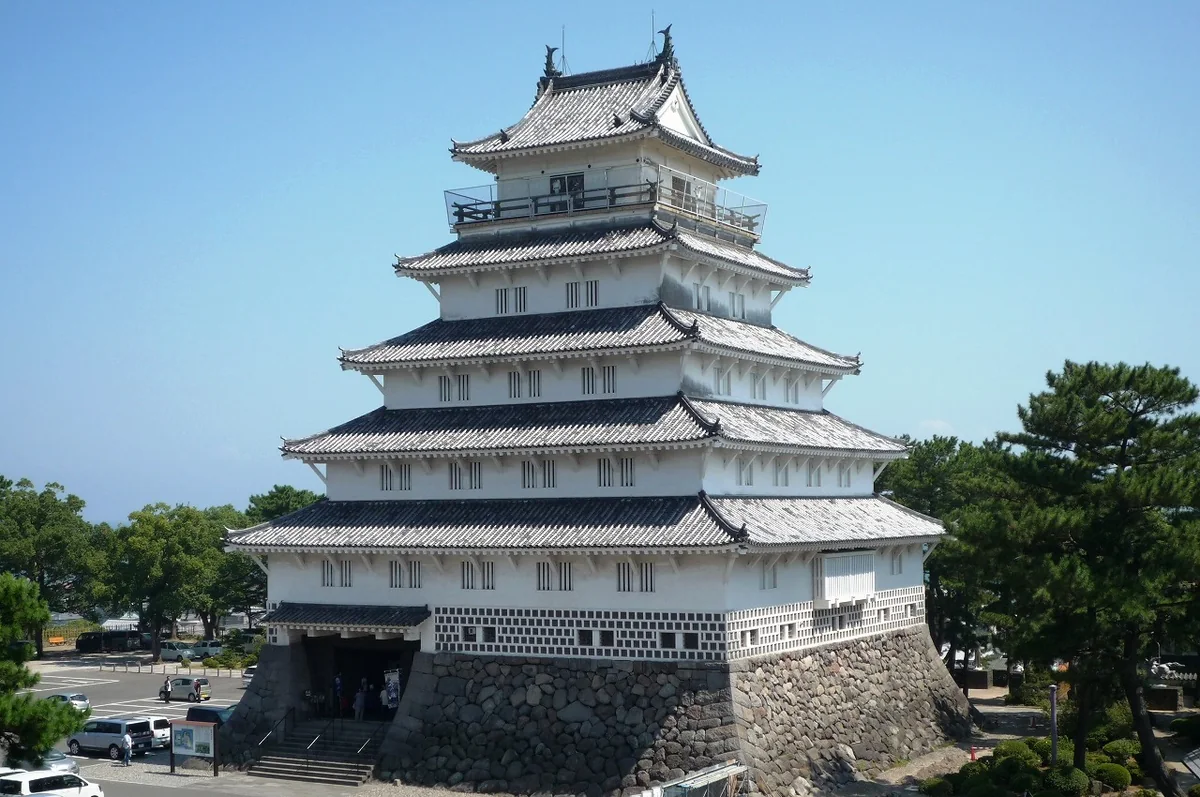
Matsukura Shigemasa began construction in 1618. Sources differ on how long completion took, so the starting date should not be confused with the completion date. Successive daimyo families used it as the centre of Shimabara Domain. Its buildings were dismantled in the Meiji period, leaving walls and moats. The keep was reconstructed in 1964 and became a museum of Christian and local history.
LAYOUT & ARCHITECTURE
Read the landscape and the buildings.
The main, second and third enclosures ran from south to north, with a deep inner moat around the central two. A former covered bridge between the main and second enclosures could be cut in wartime to isolate the core. Angled walls and turret positions added layered defences to this linear plan.
A CLOSER LOOK
Details worth a closer look.
Five-tiered keep
The modern building recreates the layered form of a sotogata keep. The building is not a surviving Edo-period wooden keep.
Stone walls and inner moat
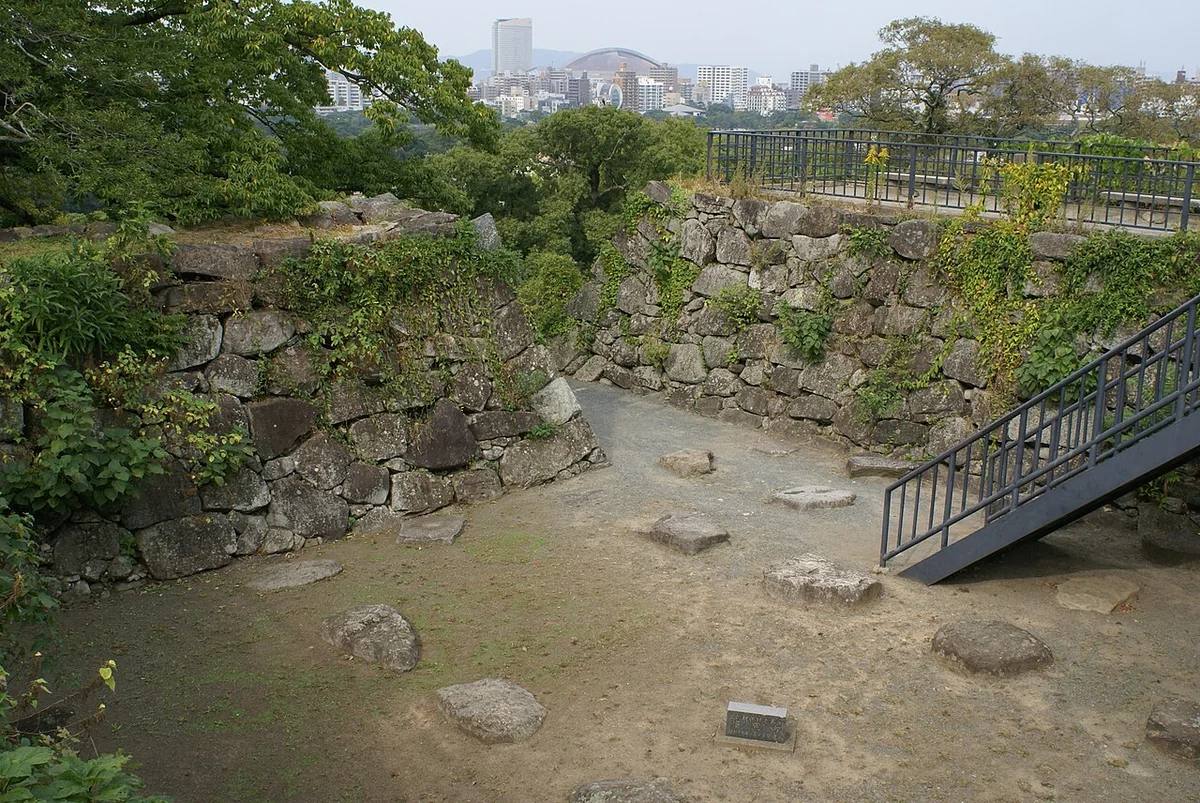
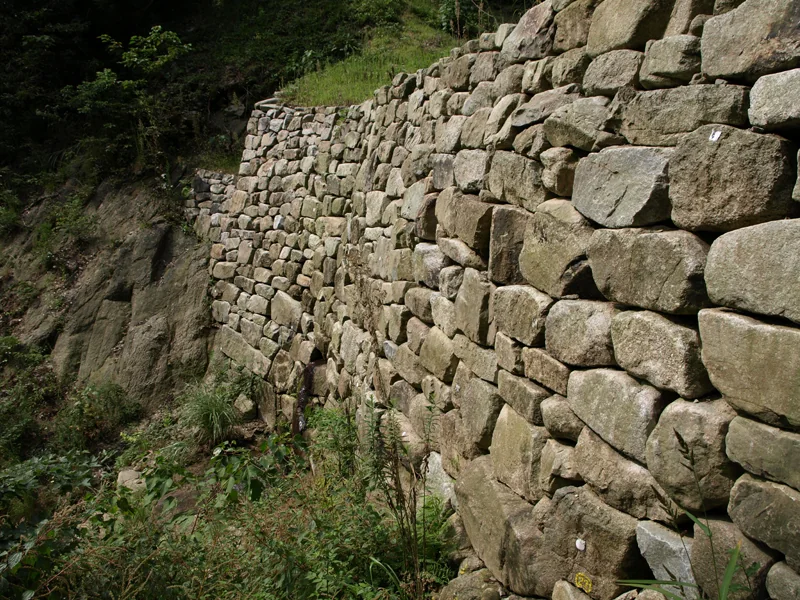
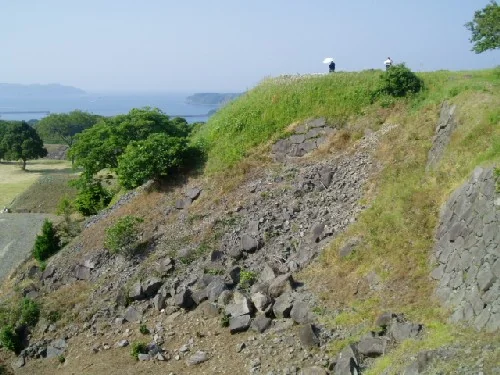
Angled walls and a deep moat protected the main and second enclosures. Following the angles from outside helps explain the non-linear wall defences.
Historical displays
Exhibits introduce Christian history and local heritage. The displays place the architecture within the region’s early-modern history.
THROUGH THE YEARS
A short timeline
- 1618
Matsukura Shigemasa begins construction.
- Meiji period
The castle buildings are dismantled.
- 1964
The keep is reconstructed and used as a museum.
BEFORE YOU GO
A note before you go.
Combine the museum with a walk around the castle. Check official notices for interior access and changes related to events.
Information checked: 27 September 2026
Sources & official information
- Shimabara Castle: History ↗
- Shimabara Castle: Official guide ↗
- Shimabara Castle: Overview and reconstruction ↗
Some official sources are available in Japanese only.