Get to know the castle
Castle at a glance
- Site & layout
- Gusuku stronghold of the Hokuzan kings
- Origins
- Thought to originate in the late thirteenth century and develop through the early fifteenth
- Builders & patrons
- Successive rulers of Hokuzan
- Other names
- —
- What remains today
- Limestone walls, enclosures, building remains and sacred sites
THE STORY
The story behind the walls
Construction is thought to have begun in the late thirteenth century. Through the fourteenth and early fifteenth centuries it developed as the stronghold of Hokuzan, which ruled northern Okinawa. After Hokuzan fell in 1416, the royal government at Shuri appointed governors to oversee the north. Sacred places within the castle continued as places of worship. In 2000 the site became part of the World Heritage group of Ryukyu gusuku and related properties.
LAYOUT & ARCHITECTURE
Read the landscape and the buildings.
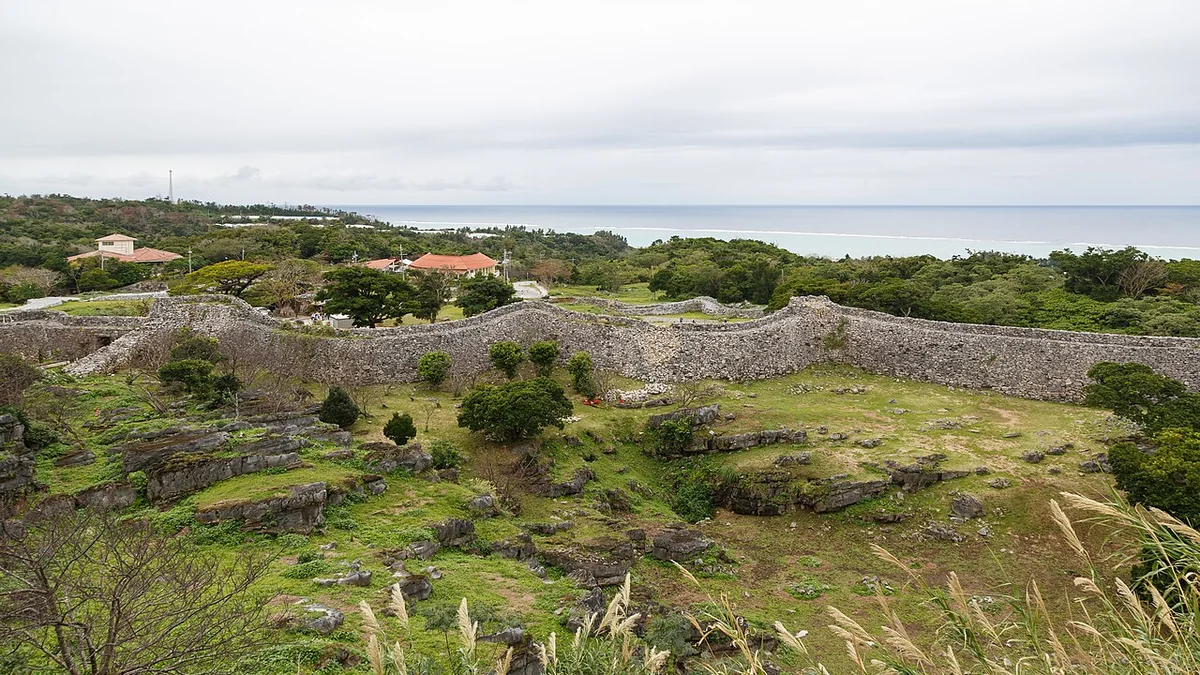
Long limestone walls follow the uneven hill and enclose several compounds. Their curving masonry produces a landscape different from mainland early-modern castles centred on a keep. Sacred places within the walls add a religious dimension to the political and military site.
A CLOSER LOOK
Details worth a closer look.
Long stretches of walls
Limestone walls surround a series of enclosures. Stone shapes and wall curves help explain their relationship with the terrain.
History of Hokuzan
The site records both the northern kingdom and the governors who followed it. Its history records changes of government as well as a royal stronghold.
Sacred places
Places including utaki sacred sites retain religious significance. It remains connected to local religious practice as well as heritage visits.
THROUGH THE YEARS
A short timeline
- Around the late thirteenth century
The castle is thought to begin developing.
- 1416
Hokuzan falls; royal governors later occupy the site.
- 2000
Inscribed within the Ryukyu World Heritage group.
BEFORE YOU GO
A note before you go.
Wear suitable shoes for stone paths and steps. Respect places of worship and check official opening and weather-related notices.
Information checked: 27 September 2026
Sources & official information
Some official sources are available in Japanese only.