Get to know the castle
Castle at a glance
- Site & layout
- Mountain castle and fortified refuge
- Origins
- Traditionally dated to 1332
- Builders & patrons
- Kusunoki Masashige
- Other names
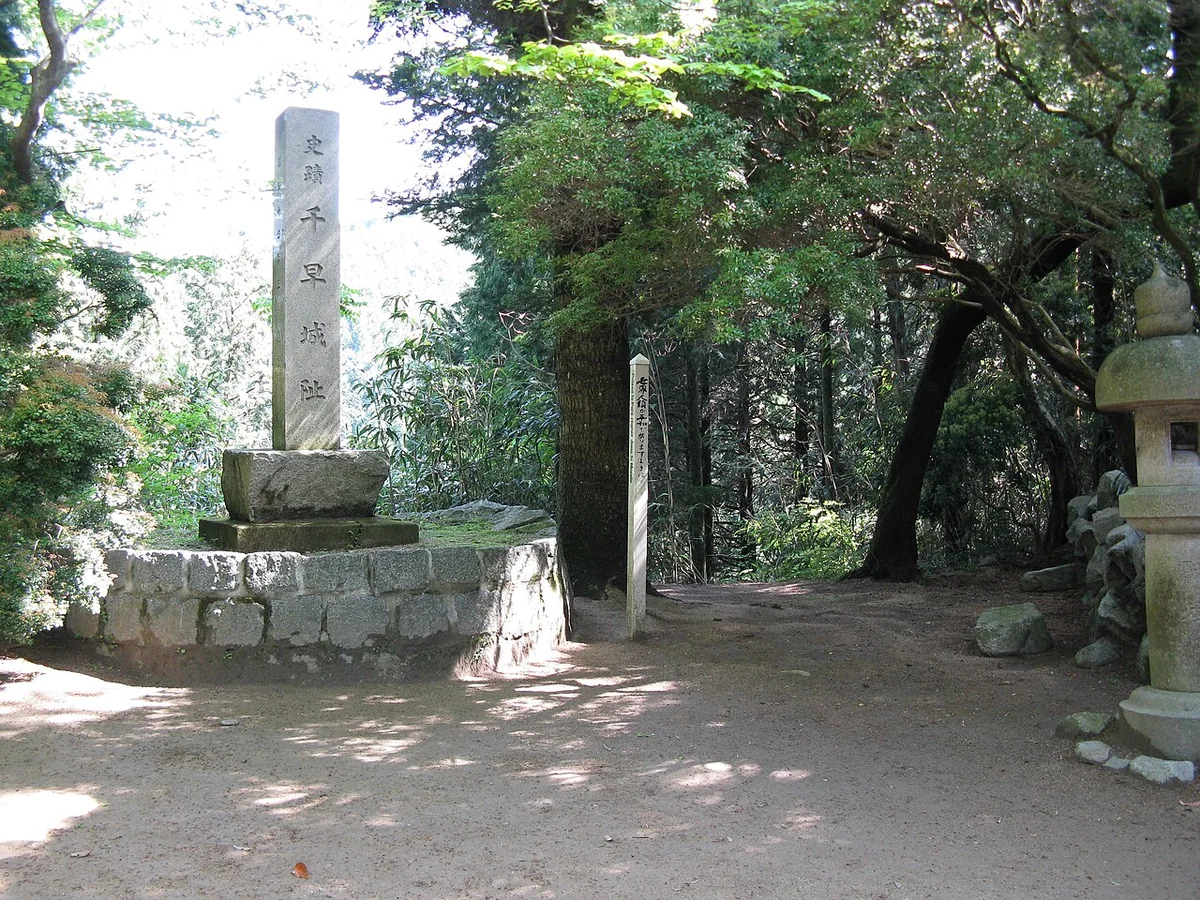
- Chihaya Castle ruins
- What remains today
- Enclosure terrain; Chihaya Shrine on the main enclosure site
THE STORY
The story behind the walls
Chihaya was built as a Kusunoki Masashige stronghold late in the Kamakura period, traditionally dated to 1332. It became known for resistance to shogunate forces. Within Masashige’s network it served as a mountain refuge and defensive centre. Today the nationally protected site is best understood through its terrain and former main enclosure.
LAYOUT & ARCHITECTURE
Read the landscape and the buildings.
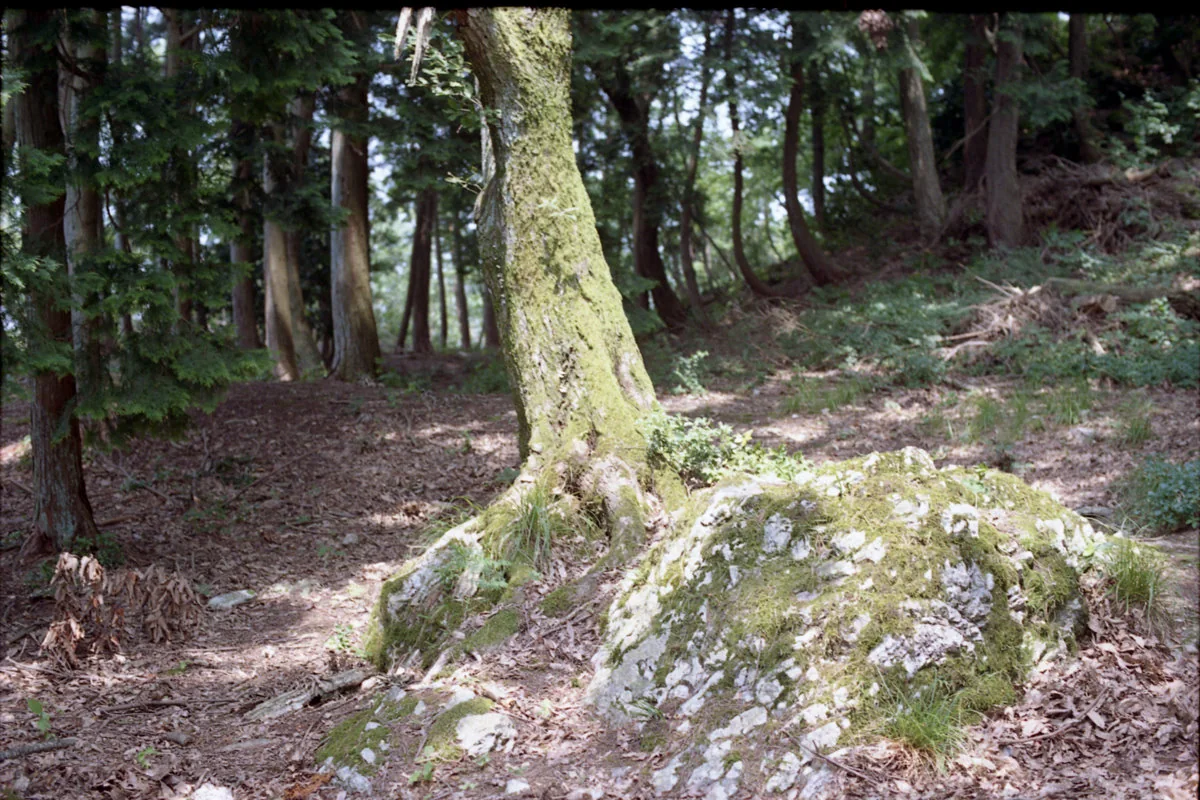
The castle uses a ridge partway up Mount Kongo, where valleys and steep slopes limited approaches. Natural terrain was more important than the broad engineered moats of later lowland castles. The shrine and former enclosure sites help orient visitors within this landscape.
A CLOSER LOOK
Details worth a closer look.
Deep valleys on three sides
Valleys protect three sides, while the fourth connects to Mount Kongo by a ridge. The climb makes the difficulty of approaching the fortress apparent.
Chihaya Shrine
Chihaya Shrine now occupies the main enclosure site. The visit combines a former fortress with a place that preserves the memory of the Kusunoki family.
A network of mountain strongholds
Masashige used Chihaya alongside castles at Akasaka and other local strongholds. It makes sense as part of a wider mountain defence system.
THROUGH THE YEARS
A short timeline
- 1332
Traditional construction date under Kusunoki Masashige.
- Late Kamakura period
The castle served as a stronghold during the siege by shogunate forces.
- Present
The ruins are protected as a Historic Site, with a shrine on the main enclosure.
BEFORE YOU GO
A note before you go.
The route climbs continuously from the trailhead. The tourism association suggests about 20–30 minutes, but prepare for a mountain walk and adapt to the weather.
Information checked: 27 September 2026
Sources & official information
- Chihaya-Akasaka Tourism Association: Castle and shrine ↗
- Japan Castle Foundation: 100 Great Castles list ↗
Some official sources are available in Japanese only.